
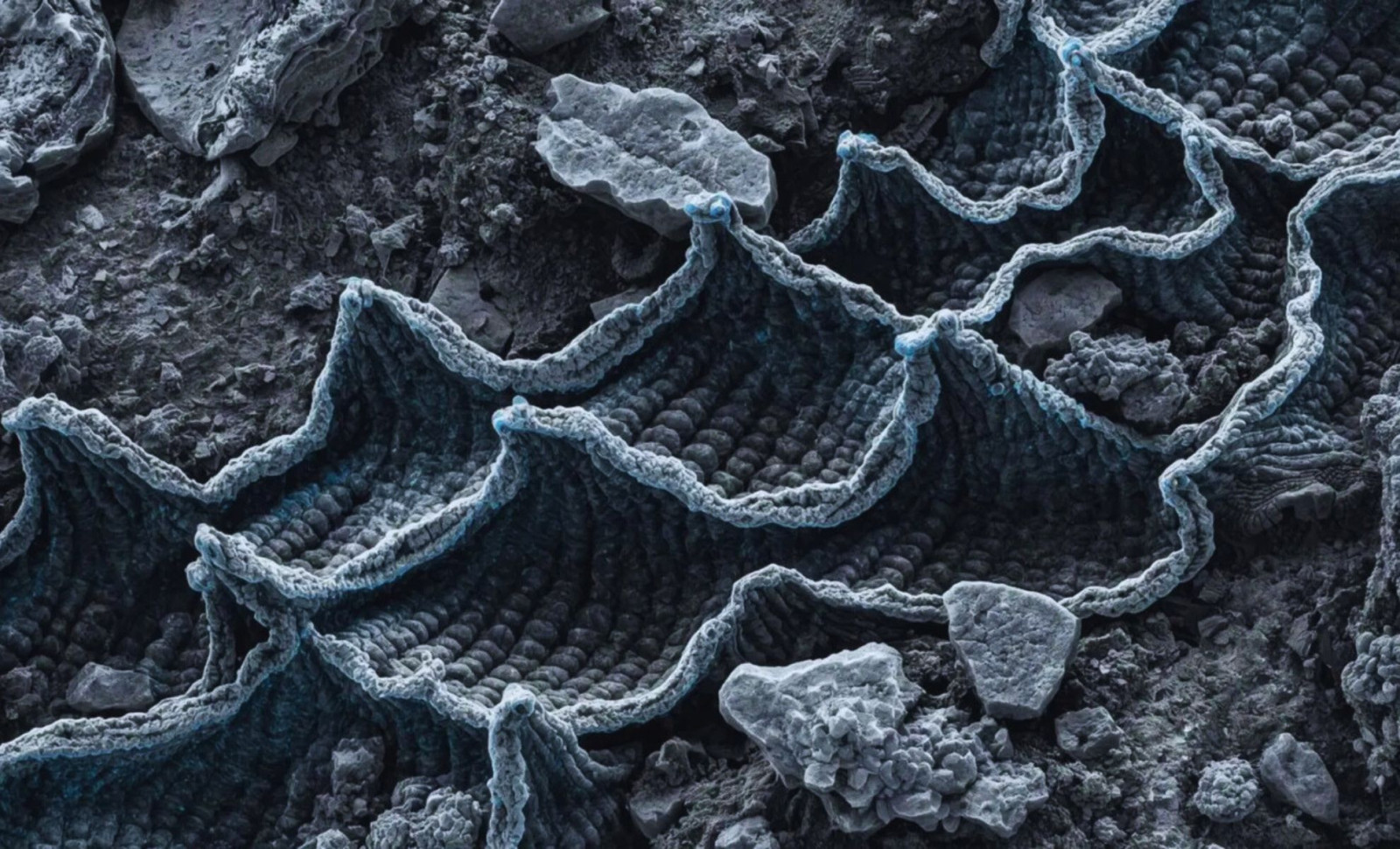
Researchers have discovered magnetic fossils dating back 97 million years that provide clues about a now-extinct marine organism with an internal magnetic sense. Scientists from the University of Cambridge and Helmholtz-Zentrum Berlin employed cutting-edge imaging to examine these unusually large magnetofossils.
While the exact species remains a mystery, the magnetic traits of these fossils suggest they belonged to a creature capable of orienting itself using Earth’s magnetic field, possibly ranking among the earliest known animals with this ability.
Unraveling Magnetic Navigation Through Fossilized Structures
The key finding emerged when researchers detected magnetically oriented crystals within the fossil, indicating that the organism might have possessed the ability to detect Earth’s magnetic field, a sense called magnetoreception seen in many modern animals such as birds and sea turtles.
These crystal remnants, identified as magnetofossils, are biologically produced magnetic minerals. A study published in Communications Earth & Environment indicates that these formations are significantly larger than those typically produced by bacteria, eliminating microbial origins.

“This tells us we need to look for a migratory animal that was common enough in the oceans to leave abundant fossil remains,” said Dr. Richard Harrison, co-leader of the research.
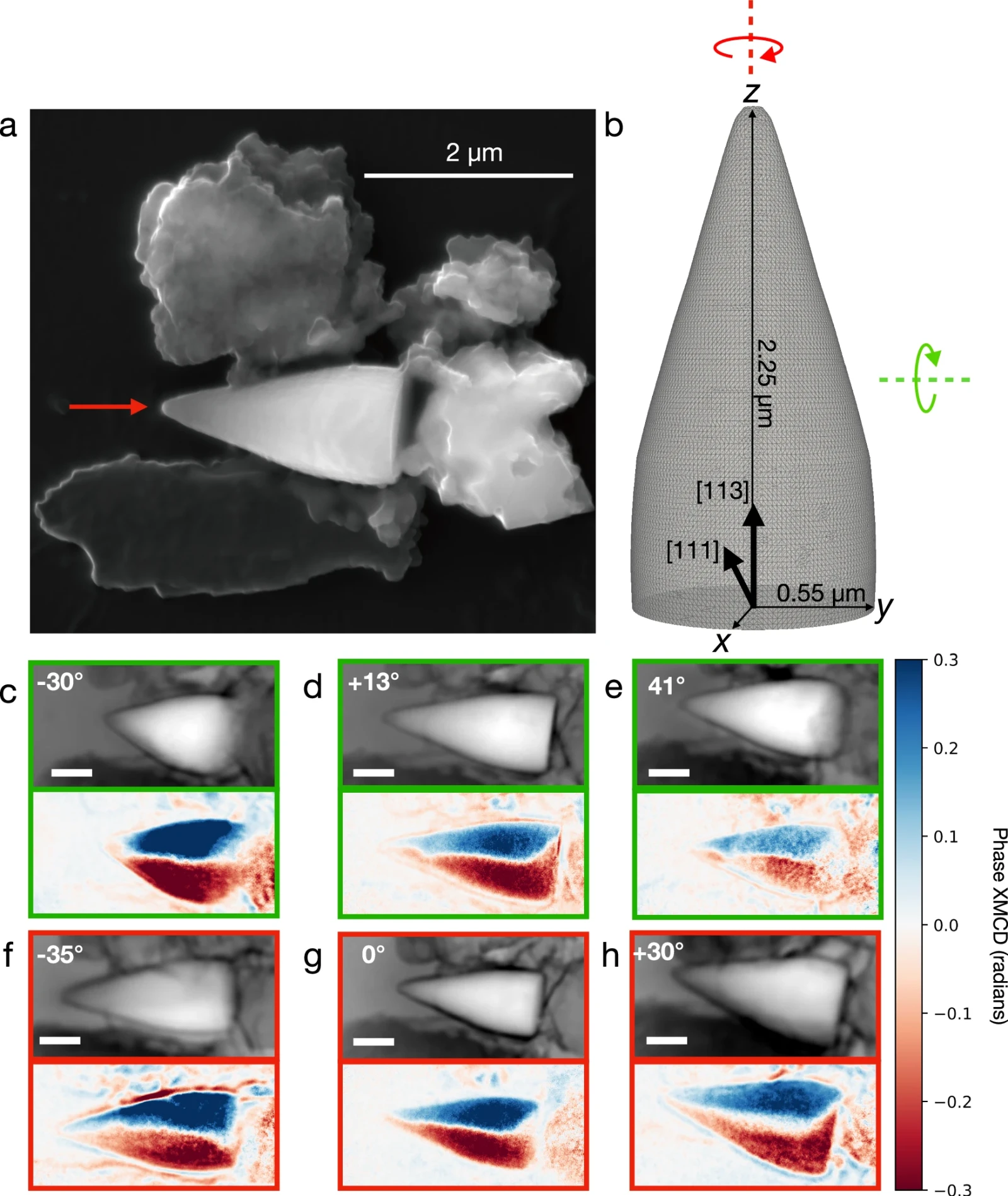
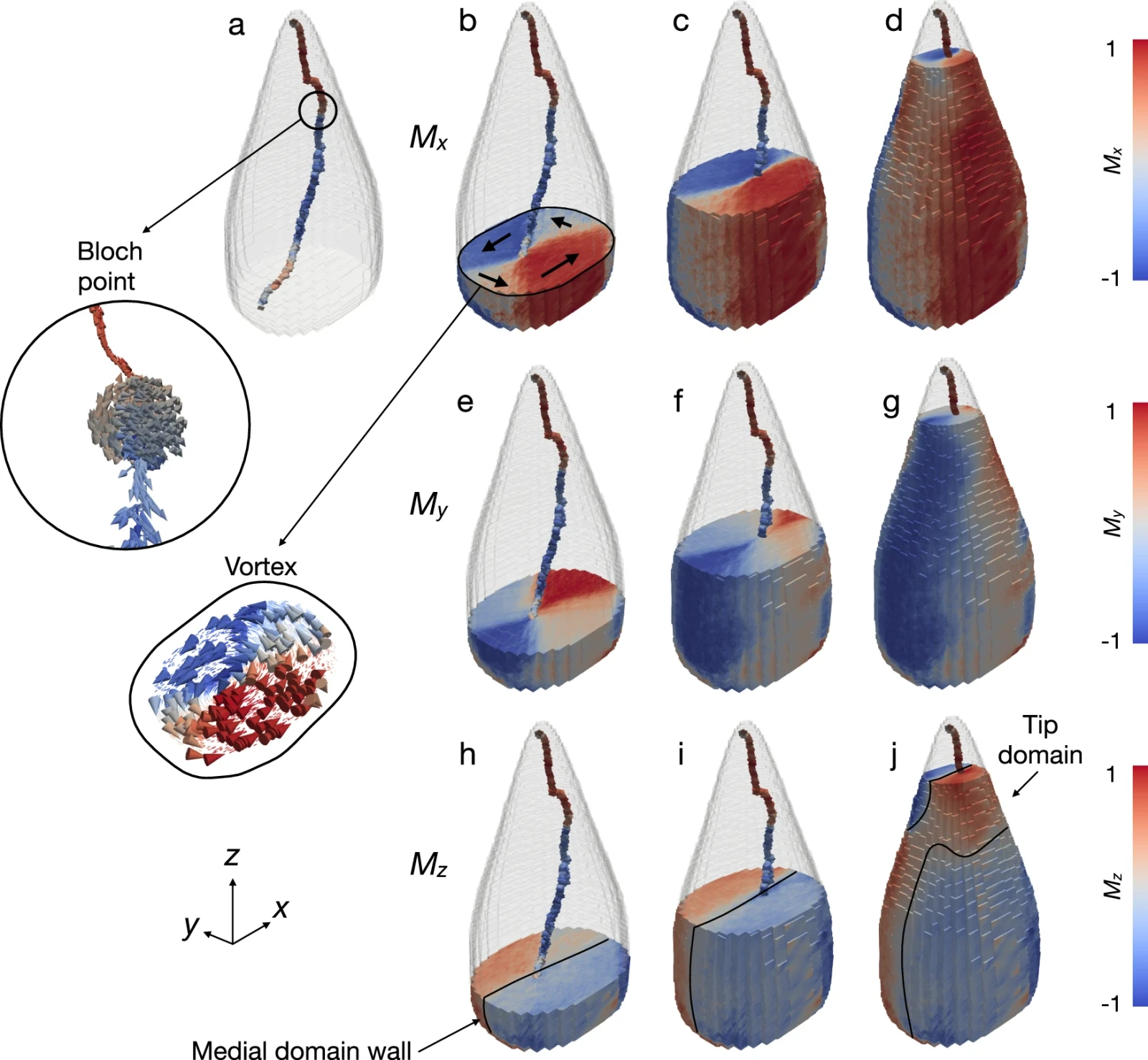
The crystals displayed carefully arranged magnetic moments — minuscule magnetic fields generated by electron spins — that closely resemble those found in existing species known for magnetoreception.
Advancing the View of Ancient Magnetic Complexity
Since conventional X-ray techniques could not penetrate the fossil’s interior, the team utilized an innovative imaging approach called magnetic tomography. Developed by Dr. Claire Donnelly at the Max Planck Institute, this method enabled the researchers to map the fossil's magnetic structure in three dimensions.
“It’s fantastic to see our method being used for the first time to study natural samples,” said Jeffrey Neethirajan, a doctoral student in Donnelly’s lab
The imaging was performed at the Diamond Light Source facility in Oxford, known for its synchrotron X-ray capabilities. This approach not only verified the magnetic internal structure but also showcased the potential of advanced imaging for ancient biomaterials.
Elusive Ancient Marine Navigator Remains Unknown
Despite the detailed magnetic insights, the identity of the fossil’s originator remains unclear. The size and magnetic organization imply a multicellular marine organism possibly capable of extensive migration. Dr. Harrison proposed that eels, which first appeared during the same period and are famed for their migratory behavior, might be candidates, though no definitive connection has been made.
“Giant magnetofossils mark a key step in tracing how animals evolved basic bacterial magnetoreception into highly-specialized, GPS-like navigation systems,” he explained.
As explained by Harrison, these pronounced “giant magnetofossils” play a pivotal role in unveiling how primitive magnetic sensing in bacteria evolved into intricate navigational capacities in larger animals. This discovery implies magnetically guided migration has ancient and profound evolutionary origins.
- Categories:
- Science






0 comments
Sign in to Comment