
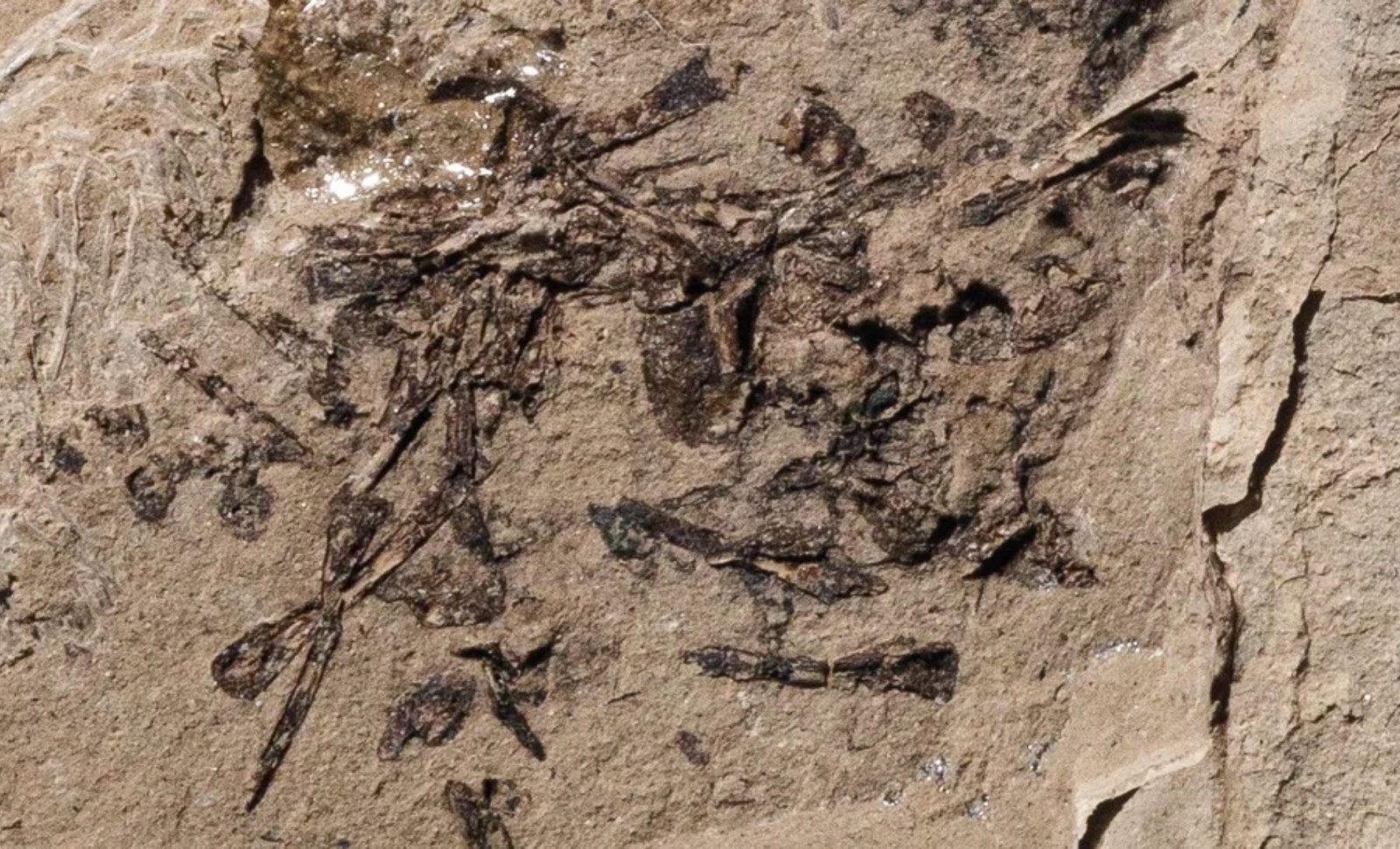
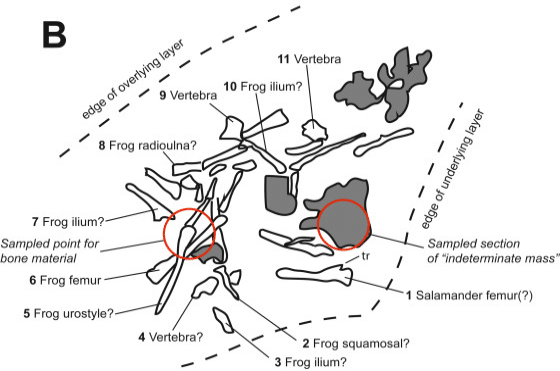
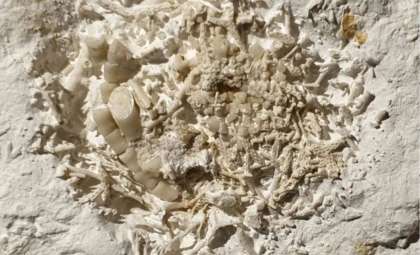
Researchers exploring Utah have uncovered an extraordinary find: a 50-million-year-old fossilized regurgitate. Found within the renowned Morrison Formation, famous mostly for Jurassic fossils, this preserved material offers more than just remnants of old meals. The fossil vomit holds the remains of prehistoric amphibians such as frogs and salamanders, likely expelled by an ancient bowfin fish that employed vomiting as a defense tactic.
Unveiling Utah’s Jurassic Secrets
The regurgitated mass was located in the Morrison Formation, a key site for paleontologists investigating Jurassic-era life. Spanning across several western states, the site is mostly known for its dinosaur fossils, but this finding stands out for its uniqueness. Dating back 50 million years, it provides a novel glimpse into prehistoric food webs. James Kirkland, a paleontologist involved in the research, shared his enthusiasm about this rare find.
“I was so excited to have found this site, as Upper Jurassic plant localities are so rare. We must now carefully dissect the site in search of more tiny wonders in among the foliage.”
Add Cosmo Herald as a Preferred Source

This ancient regurgitate provides solid proof of the creatures inhabiting the region, particularly amphibians that thrived in watery environments.
“Normally there are no animal remains at this site, only plants, and the bones we did find weren’t spread out [amongst the rock] but were concentrated to this one spot. These are the first bones we’ve ever seen there,” explained John Foster, another co-author of the study.
Vomiting as a Survival Mechanism
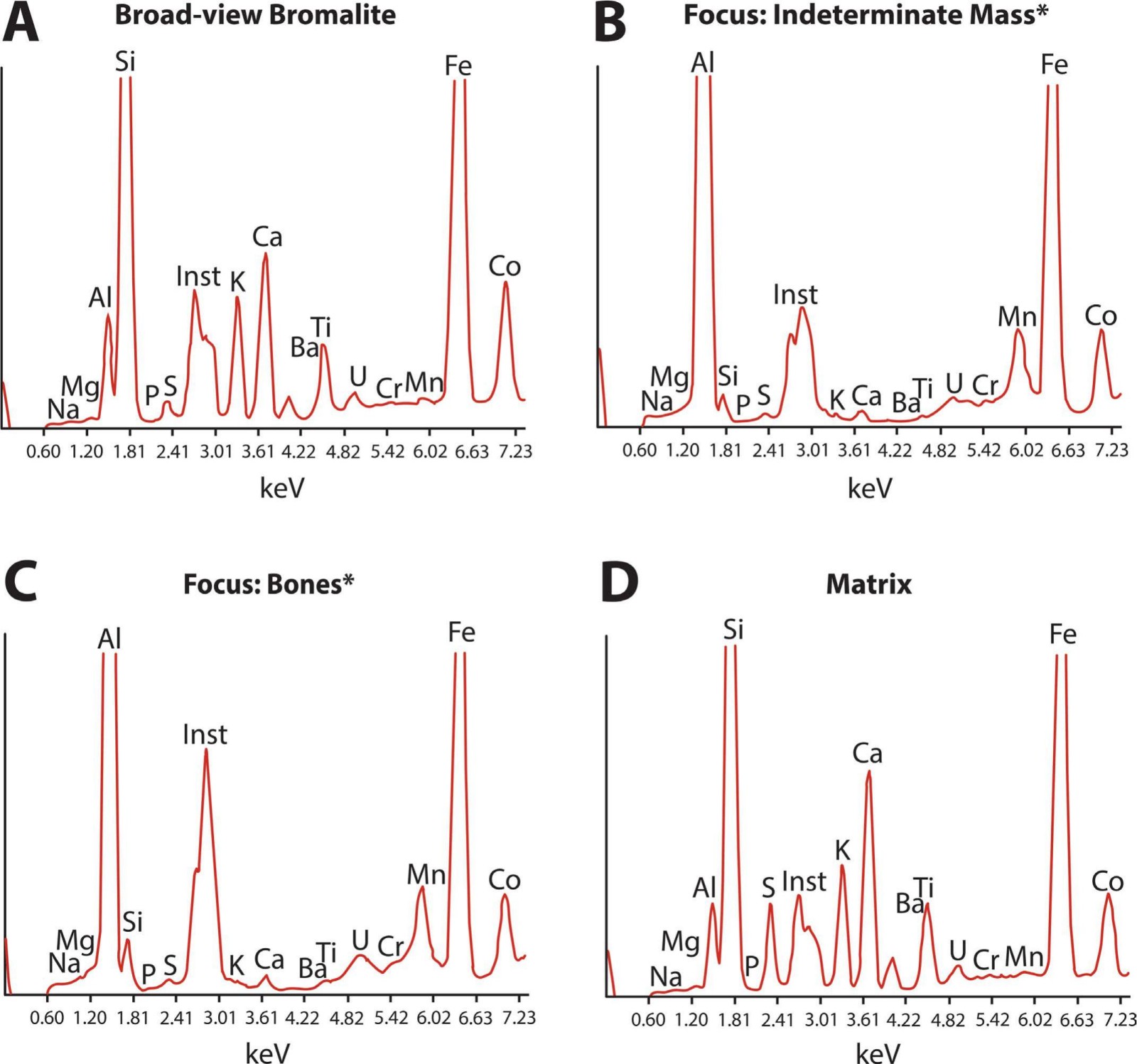
The most striking aspect is the behavioral insight this fossil reveals. The study, published in the journal Palaios, identifies the regurgitate as the work of a bowfin fish, a species known for spitting out its meals to evade predators.
The regurgitated remains encompass frogs and salamanders, prey for the now-extinct fish. Foster, who directs the Utah Field House of Natural History State Park Museum, commented:
“There were three animals that we still have around today, interacting in ways also known today among those animals — prey eaten by predators and predators perhaps chased by other predators. That itself shows how similar some ancient ecosystems were to places on Earth today.”
This fossilized regurgitation captures predator-prey relationships that echo interactions still observed in modern ecosystems.
- Categories:
- Science

0 comments
Sign in to Comment