
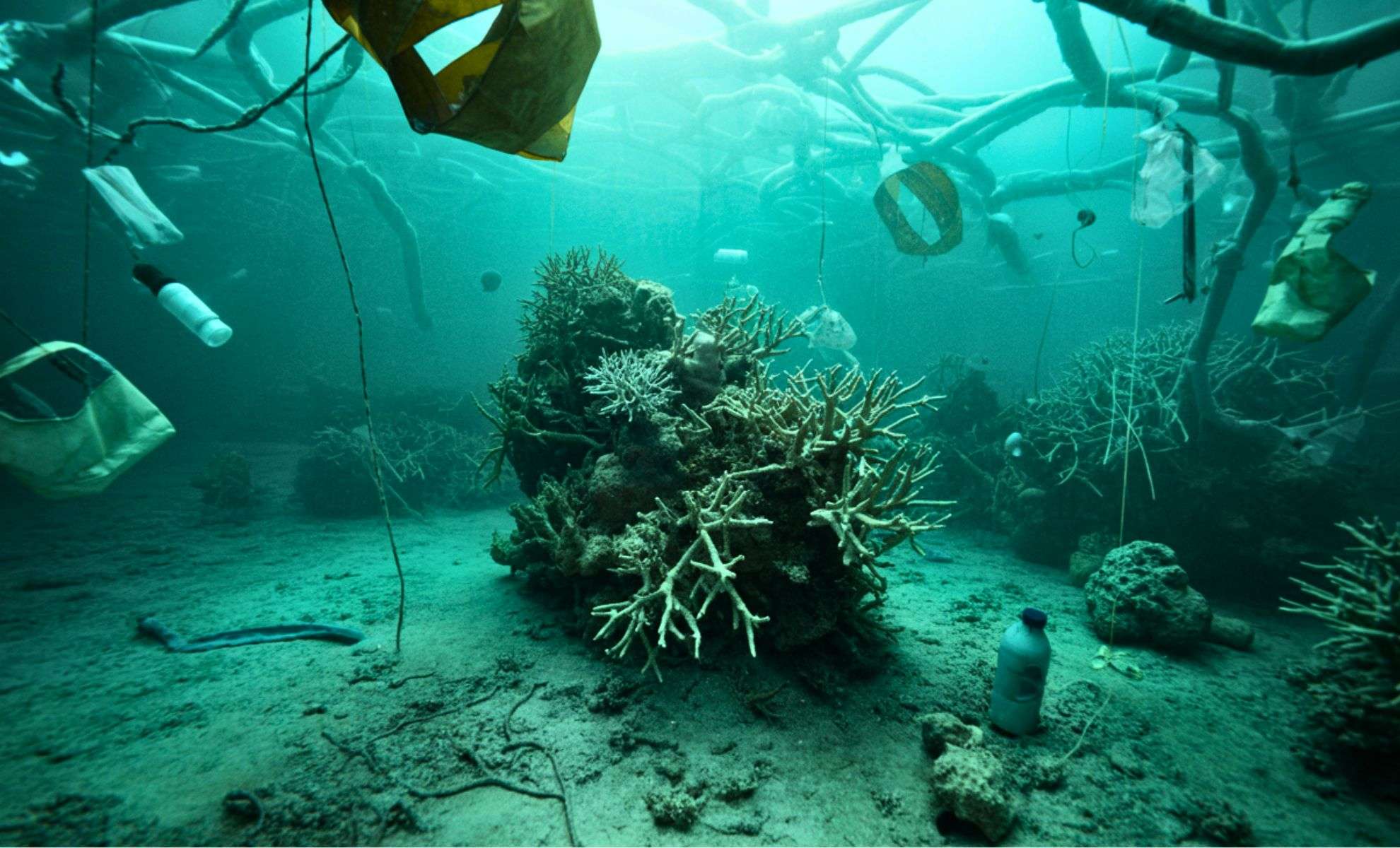
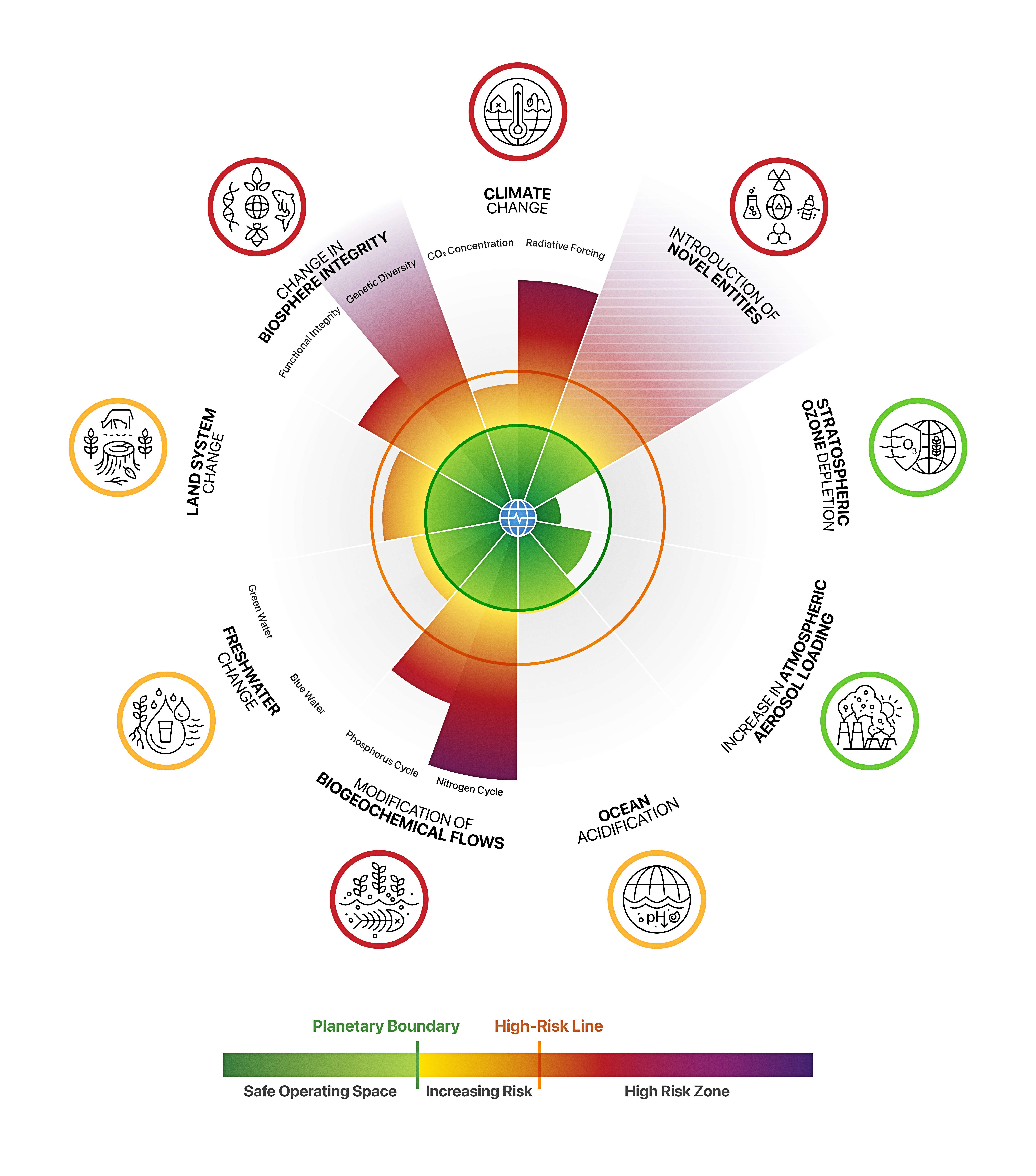
Back in 2009, the concept of planetary boundaries was introduced by scientists as more of a theoretical line in the sand—a warning for future generations to heed. Now, this warning has become a stark reality. With the recent surpassing of safe limits for ocean acidification, Earth has officially transgressed seven out of nine key planetary boundaries that keep our planet’s environment stable enough to support human life, raising serious concerns about the survival of marine ecosystems and terrestrial life alike.
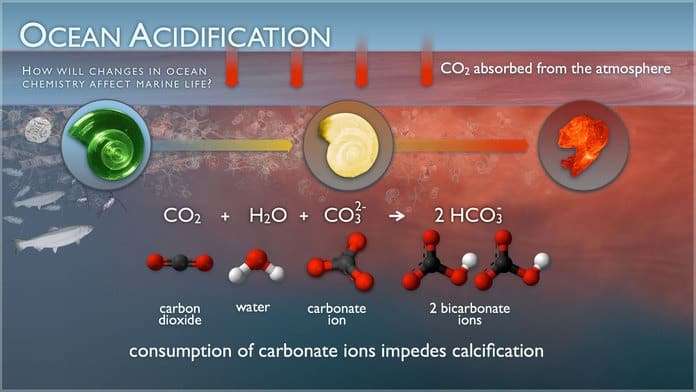
This alarming update was confirmed in September by the Potsdam Institute for Climate Impact Research (PIK) in Germany. Their report highlights ocean acidification as the latest boundary to be crossed, primarily driven by prolonged emissions of carbon dioxide (CO₂) from burning fossil fuels. The chemistry is straightforward: CO₂ from the atmosphere dissolves into seawater, forming carbonic acid and causing the ocean’s pH level to fall.
Since the onset of industrialization, ocean surface pH has decreased by 0.1 units, equating to a 30–40% rise in acidity. While this might sound subtle, the impact on marine life is profound. Organisms that depend on calcium carbonate structures—such as corals, oysters, and plankton—are particularly vulnerable, affecting entire food chains that link from tiny plankton to the largest marine mammals and ultimately humans.

One of the most troubling aspects of acidification is its invisibility. Unlike obvious signs such as melting ice or rising water levels, shifts in ocean chemistry occur unnoticed. Yet the biological consequences are becoming apparent. In colder waters, pteropods—tiny sea snails nicknamed “sea potato chips”—are experiencing shell degradation. As a vital food source for many fish and seabirds, their decline threatens the stability of marine food networks.
Crossing a Critical Threshold
The official recognition of ocean acidification entering the danger zone represents a milestone long predicted by climate researchers. The planetary boundaries framework, originally presented in a 2009 Nature article, defines nine vital Earth system processes—including climate, biodiversity, and ocean chemistry—that humanity must keep within limits to avoid catastrophic environmental shifts.
As detailed in the Planetary Health Check 2025 by PIK, only two boundaries—aerosol loading and the ozone layer—remain within safe thresholds. All others, including biosphere integrity, land-use change, and biogeochemical cycles, are now compromised. The recent transgression of the ocean acidification boundary further strains the ocean’s role as a vital carbon sink, which helps regulate global temperature.
Moreover, heightened acidity reduces the ocean’s capacity to absorb CO₂, potentially accelerating atmospheric warming. Frigid ecosystems such as the Arctic and Southern Oceans are among the first to feel these chemical stresses due to their naturally limited buffering abilities.
Marine Food Chains in Flux
Ocean chemical changes are having tangible effects beneath the surface. Ongoing research by NOAA reveals that acidified seawater hampers shell growth, reproduction, and survival rates in marine creatures. Shellfish farms in the Pacific Northwest have reported massive losses linked to low pH levels, causing severe economic impacts.
These biological disturbances cascade through ecosystems. For example, a 2023 heatwave in the Mediterranean Sea triggered an outbreak of non-native species such as Atlantic blue crabs and bearded fireworms that benefit from warmer, more acidic waters. Their proliferation has severely harmed regional fisheries, illustrating how subtle chemical shifts can lead to widespread ecological and economic upheavals.
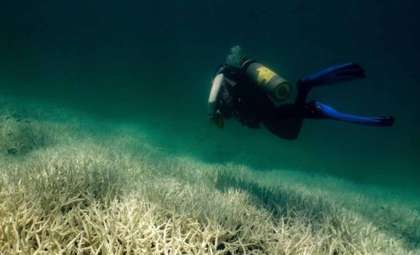
Meanwhile, tropical coral reefs face mounting threats. Already vulnerable due to repeated marine heatwaves, these reefs suffer from both bleaching and chemical dissolution, endangering habitats that support a quarter of marine biodiversity. In ecosystems like the Great Barrier Reef and the Caribbean Sea, live coral has shrunk by over 50% in recent decades.
Global Changes Seen from Space
Satellite observations confirm the widespread nature of these changes. The European Commission’s 2025 Ocean State Report, based on data from the EU’s Copernicus Earth observation program, reveals ongoing increases in ocean temperature, acid levels, and plastic contamination across all ocean regions.
According to the report, global sea surface temperatures reached an unprecedented 21°C in spring 2024, escalating stress on marine life. Sea levels have climbed by 228 millimeters since 1901, while Arctic sea ice has suffered four successive record lows from late 2024 into early 2025. Species typically confined to warmer waters are spreading northward, facilitated by warmer, more acidic seas.
European Commissioner for Oceans and Fisheries Costas Kadis commented on the shift from data collection to advanced modeling through initiatives like the EU’s Digital Twin of the Ocean. This technology enables simulations of heatwave effects on fish populations, the spread of invasive species, and the optimization of marine conservation strategies before their real-world application.
Changing Oceans Demand Urgent Action
Although the oceans once seemed unchanging and vast, their rapid transformation is becoming undeniable. Acidification signals broader environmental breakdowns and serves as a powerful alert. “For centuries, the ocean has cushioned humanity against the full brunt of our emissions,” stated Dr. Sylvia Earle, former NOAA chief scientist. “Now, it is nearing a critical threshold. We must choose whether to honor these planetary boundaries or cross them fully aware of the profound consequences.”
A recent analysis by the European Environment Agency (EEA) described the intertwined threats of warming, acidification, and oxygen depletion as the leading dangers to ocean life. Their report warned that if current emission trends persist, ocean pH could drop an additional 0.3 units by 2100, creating conditions more corrosive than anything Earth’s oceans have experienced over the past 300 million years.
- Categories:
- Science








0 comments
Sign in to Comment