
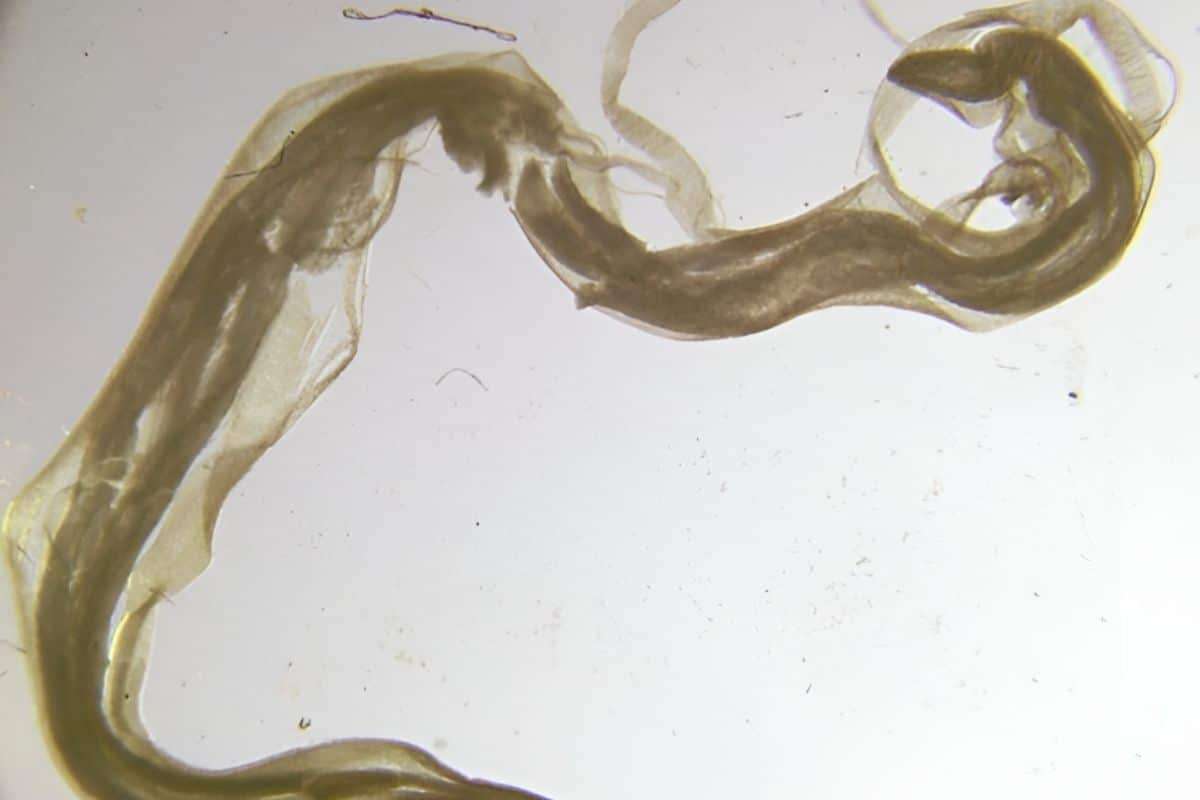
Once considered merely a kitchen staple, canned salmon is now unveiling crucial insights into marine life around Alaska. Scientists recently analyzed over four decades' worth of vintage salmon cans, discovering valuable data on parasites native to the Pacific Northwest. These preserved fish samples offer a unique glimpse into environmental shifts across many years.
From Forgotten Food to Scientific Treasure Trove
A groundbreaking research effort, spearheaded by Natalie Mastick and Chelsea Wood at the University of Washington, uncovered rich biological information in these aging cans. Provided by Seattle’s Seafood Products Association originally for quality checks, the cans’ long-term storage has inadvertently created a valuable scientific resource.
Their interest centered on marine parasites called anisakids. Though harmless once cooked, these worms are vital players in ocean food webs. They cycle from tiny krill to fish, finally reaching marine mammals, completing their life histories before returning to the waters.
Chelsea Wood remarked, “Finding worms in your canned salmon doesn’t necessarily mean there's a problem. Instead, anisakids reflect a complex, functioning marine ecosystem. Their presence shows the fish on your plate came from a thriving habitat.”

A Window Into Historical Parasite Data
The team analyzed 178 cans of salmon covering 42 years, spanning from 1979 to 2021. These samples included four species from the Gulf of Alaska and Bristol Bay regions:
- 42 cans of chum salmon (Oncorhynchus keta)
- 22 cans of coho salmon (Oncorhynchus kisutch)
- 62 cans of pink salmon (Oncorhynchus gorbuscha)
- 52 cans of sockeye salmon (Oncorhynchus nerka)
Although the canning destroyed some worm details, making precise identification tricky, researchers were still able to tally and study the parasites. They observed an upward trend in worm numbers for chum and pink salmon, whereas coho and sockeye salmon numbers remained largely unchanged.
Parasite Patterns as Indicators of Ocean Vitality
Rising anisakid populations in chum and pink salmon imply ecosystem health is stable or improving.
Since these parasites need several hosts to thrive, their persistence suggests ongoing presence of essential species, such as marine mammals.
Mastick added, “An increase in parasites over time for pink and chum salmon means these worms are successfully completing their life cycles, indicating a healthy or recovering system with sufficient hosts.”
However, the static worm counts in sockeye and coho salmon present more complex explanations. The researchers proposed that different anisakid species may prefer different salmon hosts.
“We are confident about identifying these parasites at the family level but couldn’t determine exact species,” the team clarified.
Could Expired Seafood Become a New Ecological Archive?
This study showcases an innovative approach to studying marine ecology by utilizing preserved food stocks as historical records. Scientists hope that future investigations of long-stored food items might reveal ecological changes, climate impacts, and shifting marine biodiversity patterns.
Although the thought of worms in canned fish may unsettle some, these tiny creatures offer invaluable evidence of ocean ecosystem health. By examining what many consider ordinary expired seafood, researchers have discovered an unexpected means of exploring marine life. In their words, they've truly “opened quite a can of worms.”
- Categories:
- Science








0 comments
Sign in to Comment