
Researchers at the University of Toulouse have uncovered new evidence shedding light on how life first established itself on land. Their study, featured in Science, reveals that a crucial gene transfer event between fungi and early plants contributed significantly to their ability to colonize terrestrial habitats, paving the way for Earth's earliest ecosystems.
Bryophytes: Key to Unlocking Early Plant Land Adaptation
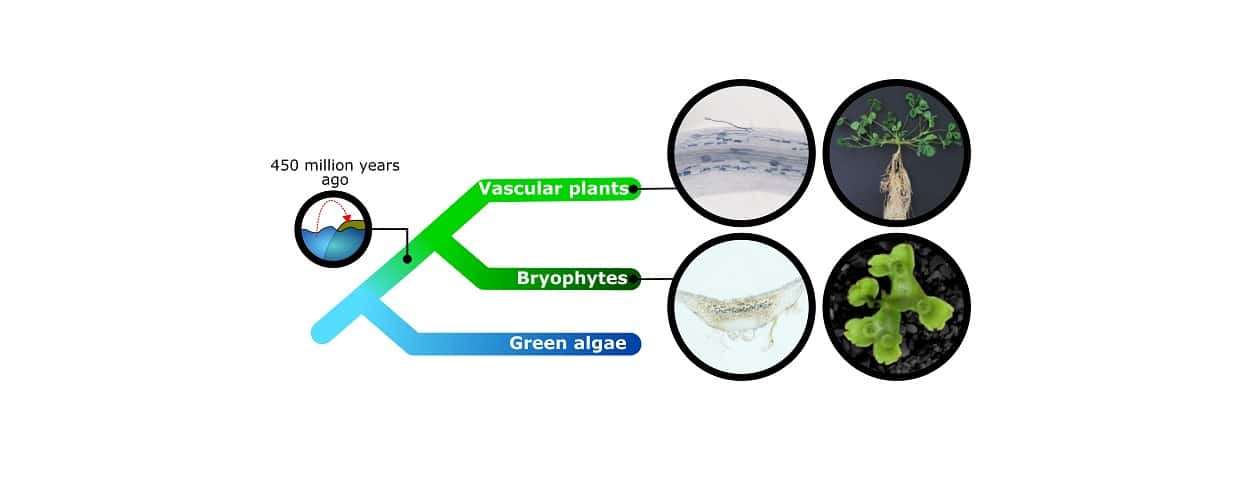
While much research has focused on flowering plants' evolution, this new investigation puts the spotlight on bryophytes such as Marchantia polymorpha, a moss species. These plants are fundamental to comprehending how the first land plants evolved, sharing a lineage dating back roughly 500 million years to their common ancestor.
Examining the genetic sequence of Marchantia polymorpha, the scientists identified signatures of a horizontal gene transfer from fungi to the early terrestrial plant ancestors.

This exchange of genetic information between unrelated species played a vital part in equipping plants to endure life away from aquatic environments.
Fungal Genes Enhance Plant Land Survival
The genetic material borrowed from fungi helped primitive plants tackle challenges posed by land-based environments. One major benefit was improved management of water stress, enabling plants to retain moisture and thrive beyond water bodies.
The gene transfer also supported plants in forming beneficial relationships with soil microorganisms, providing new defenses against disease-causing agents encountered on land.
According to Pierre-Marc Delaux, CNRS research director, this fungal gene furnished plants with the molecular tools to survive dehydration and combat unfamiliar microbial threats, representing a crucial evolutionary step for terrestrial colonization.
Fungi’s Crucial Contribution to the Evolution of Land Plants
Once considered simple organisms, fungi are now recognized as essential partners in plant evolution. This research highlights how fungal gene transfer enabled plants to develop traits necessary for withstanding land-based stresses, especially in managing moisture scarcity and adapting to novel environmental pressures.
Bryophytes, often neglected in evolutionary discussions, are now acknowledged as vital to revealing how living organisms made the monumental leap from water to land.
Their ancient lineage offers indispensable insights into the adaptations that shaped early terrestrial ecosystems.
Implications for Conservation and Climate Resilience
The findings extend beyond historical interest, offering potential lessons applicable to modern challenges. Understanding the evolutionary innovations that allowed plants to survive on land half a billion years ago may inform efforts to address contemporary climate-related stresses.
This research emphasizes the importance of studying plant evolution to enhance biodiversity preservation and support the adaptation of current flora to ongoing environmental change.
Scientists believe that the ancient mechanisms plants used to navigate their shifting habitats could inspire strategies to boost plant resilience in the face of increasing climate change.
The University of Toulouse team’s discovery points to a potentially underestimated role of gene transfer in evolution, opening new pathways for research into how interspecies genetic exchange has shaped life’s history.
- Categories:
- Science





0 comments
Sign in to Comment