
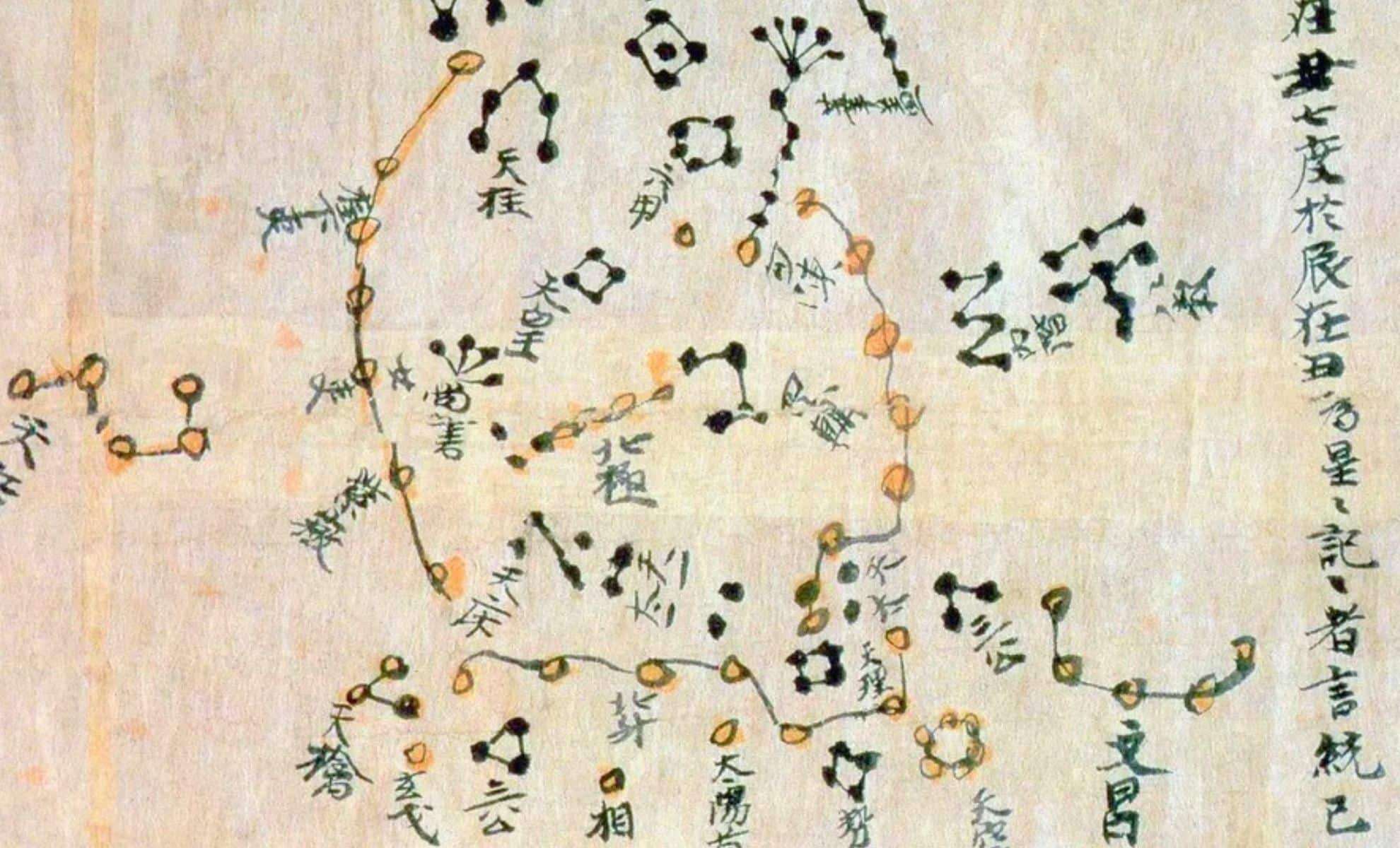
The Star Manual of Master Shi stands as a remarkable ancient Chinese astronomical record that researchers at the Chinese National Astronomical Observatories (NAO) now identify as the oldest existing star catalog in the world. Originating around 355 BC, this document predates other known catalogues by several centuries, showcasing an advanced tradition which linked the stars with imperial administration, maintained by Chinese officials for nearly 2,000 years.
Sky Constellations Reflecting the Imperial Realm
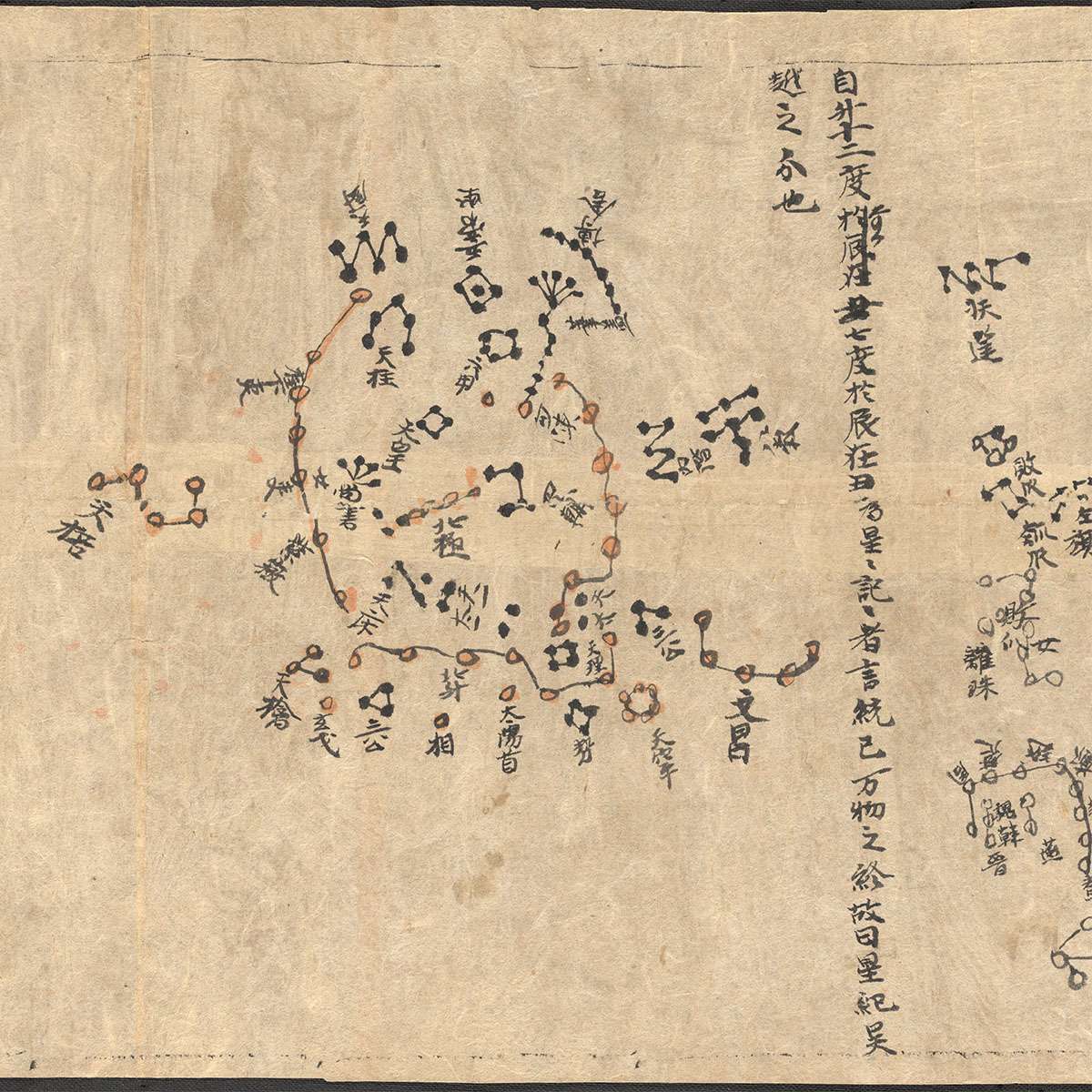
This catalog presents constellations that personify the imperial court in the heavens, featuring symbols such as the emperor’s chariot, a celestial marketplace, and even a star symbolizing a toilet with waste. These thematic depictions suggest that early Chinese astronomers, possibly including the renowned Shi Shen from the Warring States period, structured the nighttime sky to mirror terrestrial societal elements. This arrangement allowed court astrologers to interpret cosmic phenomena as indicators of the emperor’s divine right and maintain cosmic and terrestrial harmony.
Preserved over centuries through meticulous replication, the catalog was recopied around the third century AD by astronomers aligned with Shi’s school, and further maintained during the Tang dynasty (618–907 AD). Remarkably, some manuscripts resurfaced in later centuries, including one discovered inside a Buddha statue approximately 400 years ago.

Advanced Computational Analysis Sheds Light on Origins
Using a novel computational technique called the Generalized Hough Transform, astronomers Boliang He and Yongheng Zhao from NAO analyzed star placements in ancient records. Their algorithm identifies and filters inaccurate data points, estimates historical positions of the celestial North Pole, and thereby establishes precise dating of the catalog.
Their findings indicate that roughly half of the star data originates circa 355 BC, corresponding with Shi Shen’s era, while the remaining entries seem to have been revised around 125 AD, during the Eastern Han dynasty. This later period saw astronomers such as Zhang Heng, inventor of the armillary sphere and twice-appointed Grand Astrologer (Taishi Ling), update records to include new celestial observations. This layered update process clarifies previously noted position inconsistencies.
Controversies Surrounding Dating and Accuracy
The catalog’s exact age is still under discussion. Historian Boshun Yang posits that some early star data might stem from observations made with instruments misaligned by about one degree relative to true celestial north, leading to a distorted sense of precession and explaining the catalog’s dual dating clusters.
Yang and others argue the spherical coordinate system used aligns better with a first-century BC origin, coinciding with the invention of the armillary sphere and the adoption of a spherical cosmology in Chinese astronomy. This shift replaced earlier flat-earth views and marked a revolutionary stage. Daniel Patrick Morgan, a historian at France’s Center for Research on East Asian Civilizations, likens the idea of a 4th-century BC spherical system to “finding a gas station receipt from 1700,” highlighting the extraordinary challenge this early dating confronts.
Contextualizing the Catalog Within World Astronomy
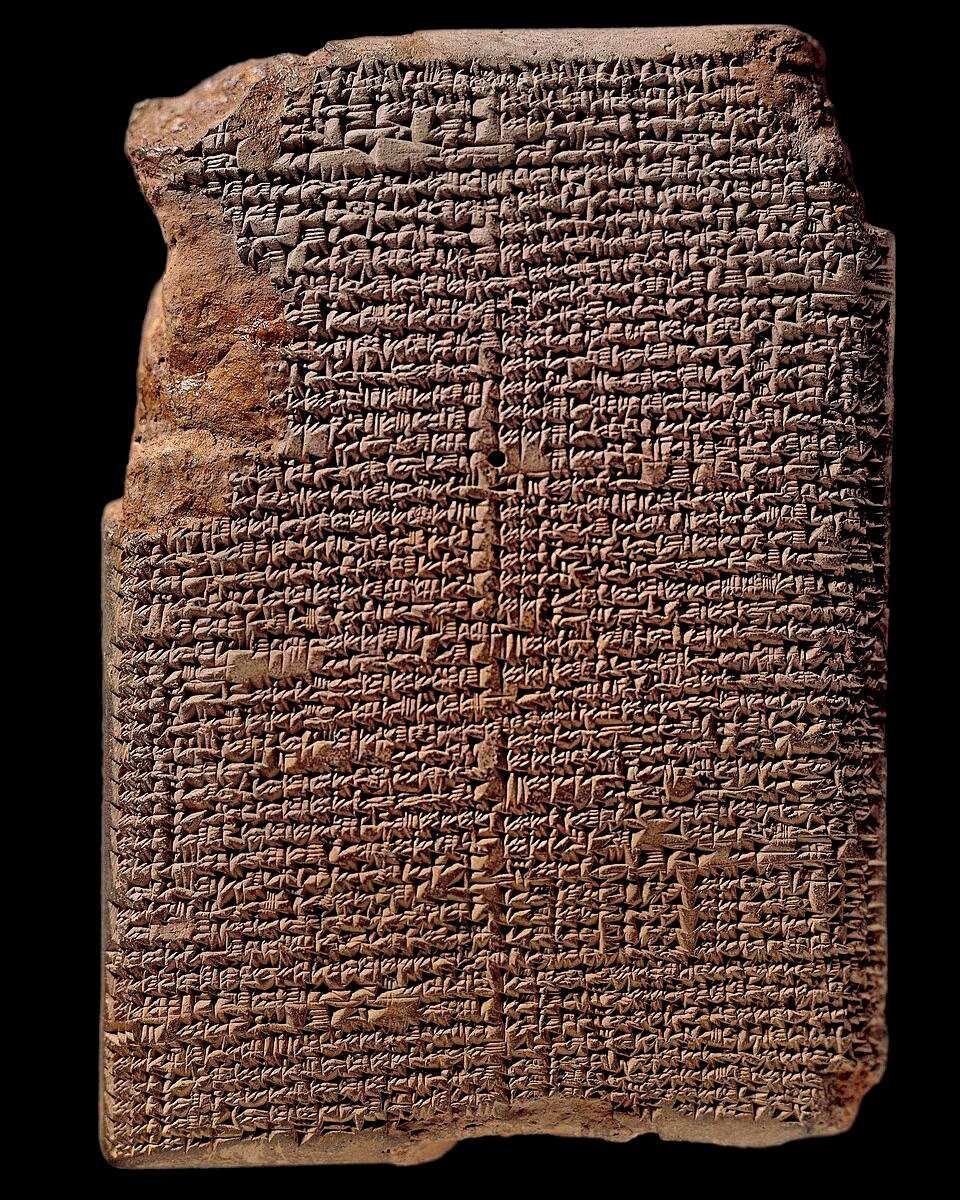
If authenticated, the Star Manual of Master Shi outdates the Greek Hipparchus catalog from approximately 130 BC, traditionally recognized as the earliest Western star chart. While Babylonian astronomy recorded star risings as early as the 8th century BC, these lacked the detailed mapping and coordinate frameworks found in the Chinese manuscript.
The catalog’s preservation and successive updates reveal a continuous and influential Chinese astronomical tradition impacting broader scientific narratives. Researchers He and Zhao aim to apply their analysis to additional Chinese star catalogs and spans covering the Ming dynasty, a period marking the cross-cultural exchange between Chinese and Western astronomical knowledge.
This research aligns with a wider movement to celebrate China’s scientific legacy and foster global cultural dialogue, echoing Chinese President Xi Jinping’s vision of civilizations thriving through mutual learning and exchange.
Currently under peer review for publication in Research in Astronomy and Astrophysics, this study contributes fresh insights into humanity’s earliest astronomical records.
- Categories:
- Astronomy










0 comments
Sign in to Comment