
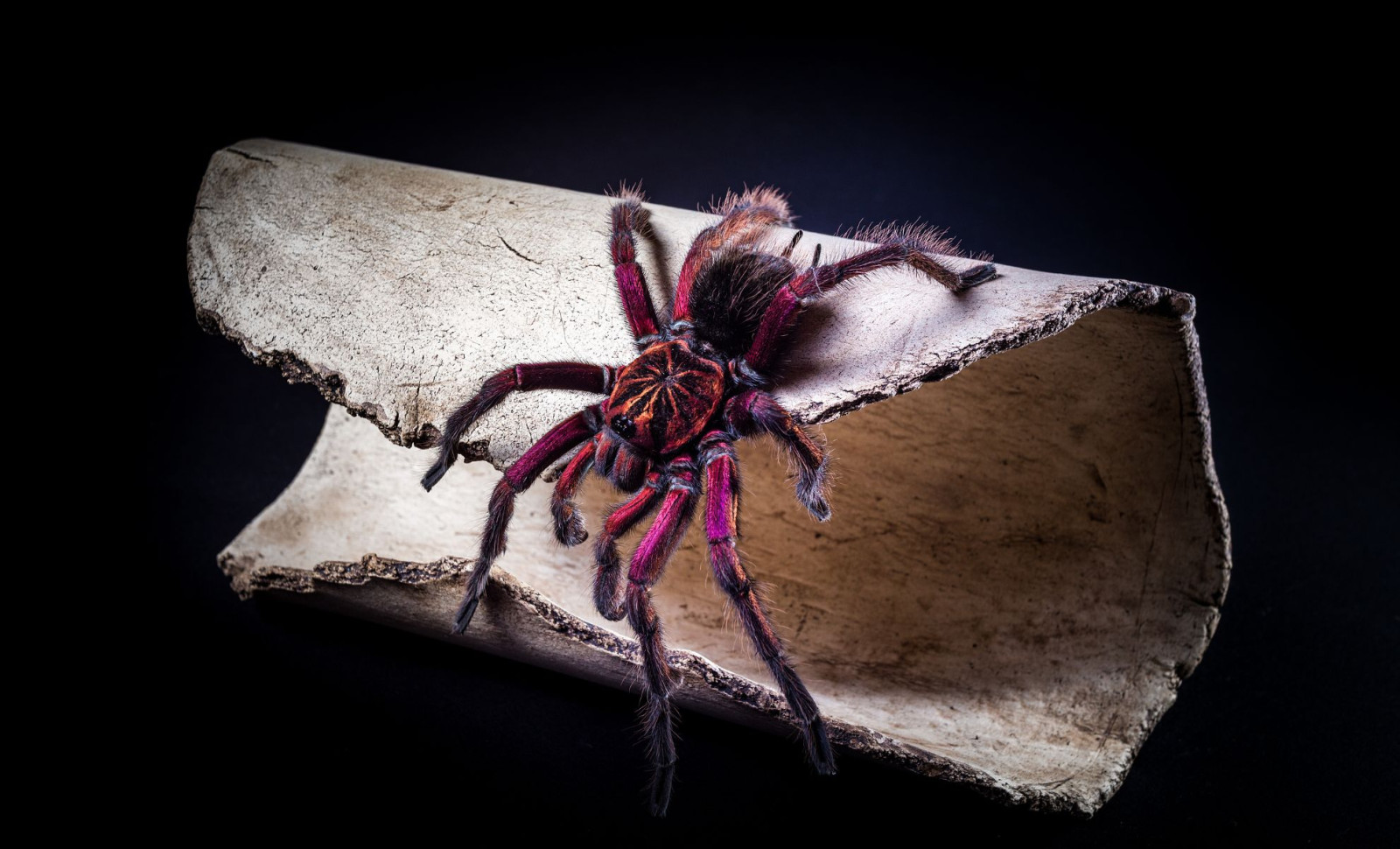
Researchers have uncovered a Cambrian fossil identified as the earliest known member of chelicerates, the group that includes modern spiders and scorpions. This specimen represents the oldest example of a chelicera, a distinctive anatomical claw-like structure unique to this lineage.
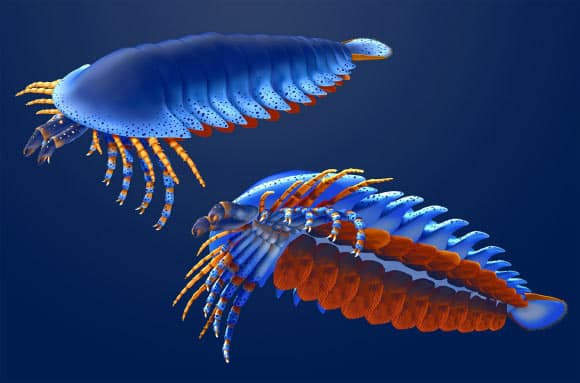
The newly described species, Megachelicerax cousteaui, is dated to roughly 500 million years ago. Published in Nature, this discovery pushes back the documented origins of chelicerates by close to 20 million years.
An Unexpected Claw Discovery
The revelation came when Rudy Lerosey-Aubril, a Harvard University researcher, took a closer look at a Cambrian fossil and spotted an unusual feature. The study released on April 1, 2026 explains:

“Claws are never in that location in a Cambrian arthropod,” he said, as reported in the source article. “It took me a few minutes to realize the obvious, I had just exposed the oldest chelicera ever found.”
Subsequent examination confirmed that this unusual structure was indeed a chelicera, pincer-like appendage integral to chelicerates. This is the earliest confirmed instance of such a feature in a Cambrian-era fossil, despite the abundance of arthropod fossils from this time.
Preparing the fossil required over 50 hours of meticulous work under a microscope. Employing a delicate needle, Lerosey-Aubril gradually revealed the intricate features, ultimately identifying the defining structure that shifted its classification.
Complex Body Plan of an Ancient Species
The fossil exhibits a body consisting of a head shield and nine body segments, accompanied by six pairs of limbs related to feeding and sensory functions.
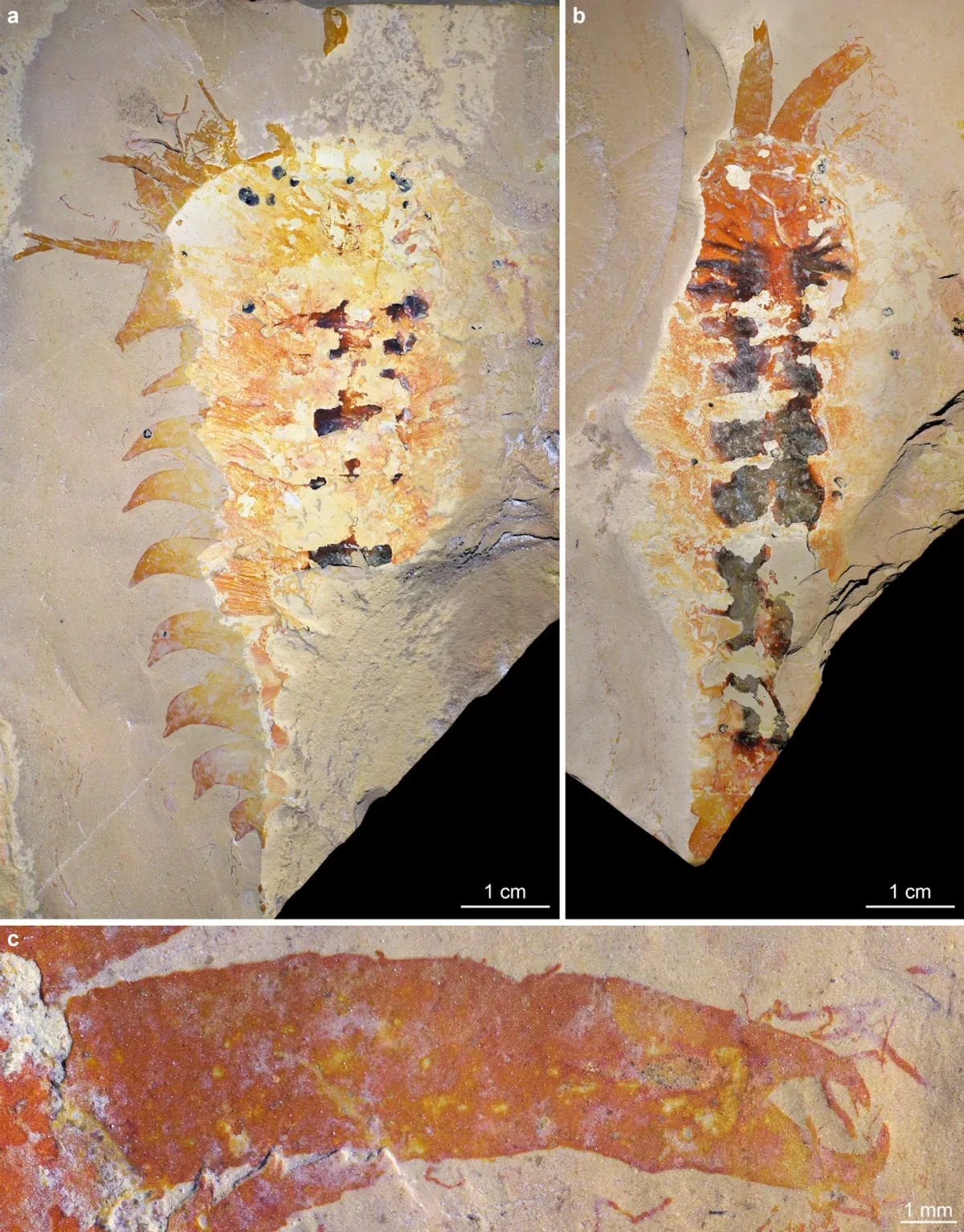
On the underside, the fossil possesses respiratory structures analogous to the book gills found in current-day horseshoe crabs, reinforcing its placement within the chelicerate lineage. Javier Ortega-Hernández remarked:
“Megachelicerax shows that chelicera and the division of the body into two functionally specialized regions evolved before the head appendages lost their outer branches.”
He added this discovery bridges gaps in understanding chelicerate evolution.
“It reconciles several competing hypotheses; in a way, everybody was partly right.”
Rewriting the Evolutionary Timeline
Previously, the earliest chelicerates were believed to appear about 480 million years ago in the Early Ordovician period. This new fossil shifts that date to roughly 500 million years ago, indicating a deeper ancestry. The species name also holds symbolic meaning.
“Cousteau and his crew inspired generations to look beneath the surface,” Lerosey-Aubril added that: “A similar evolutionary pattern has been documented in other animal groups.”
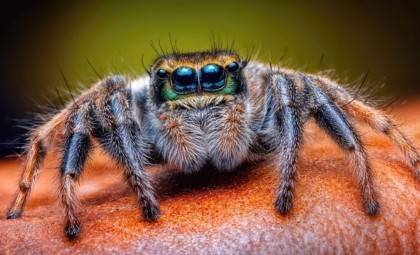
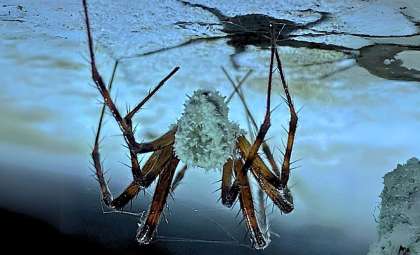
Today, chelicerates encompass more than 120,000 species, including spiders, scorpions, mites, horseshoe crabs, and sea spiders, underscoring their enduring evolutionary success.
“For thousands of years, these animals have quietly existed among us, deeply influencing our lives from pop-culture to medical and agricultural contributions.”







0 comments
Sign in to Comment