
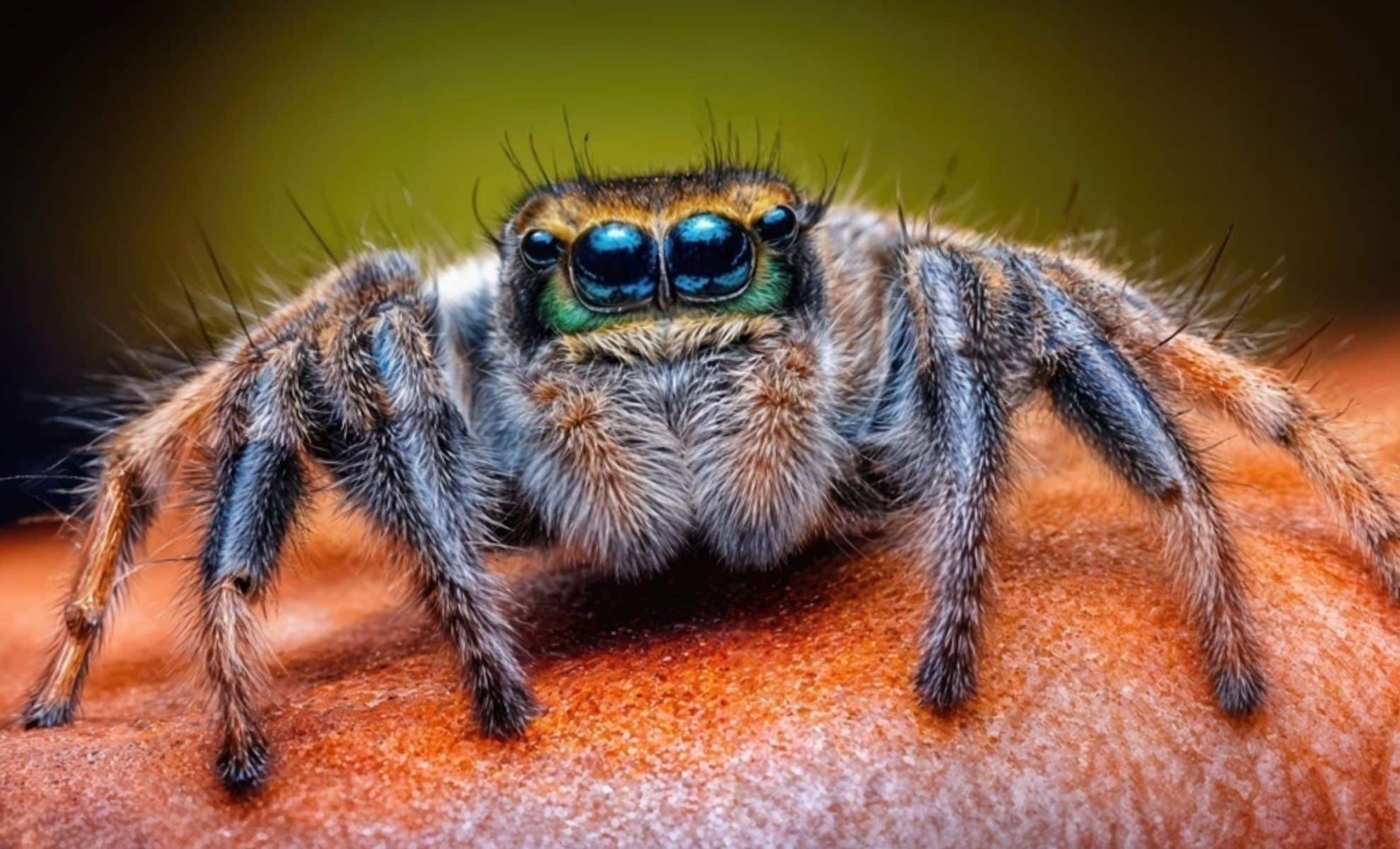
A recent investigation featured in Current Biology is reshaping our perception of arachnid ancestry. Whereas it was traditionally believed that spiders, scorpions, and related species evolved primarily from terrestrial forebears, new evidence points to an oceanic beginning.
Introducing Mollisonia Symmetrica
At the heart of this revelation lies the fossil named Mollisonia symmetrica, a mid-Cambrian period arthropod dating back over 500 million years. Once classified as a precursor to horseshoe crabs, its neural anatomy has recently drawn significant attention from neuroscientists.
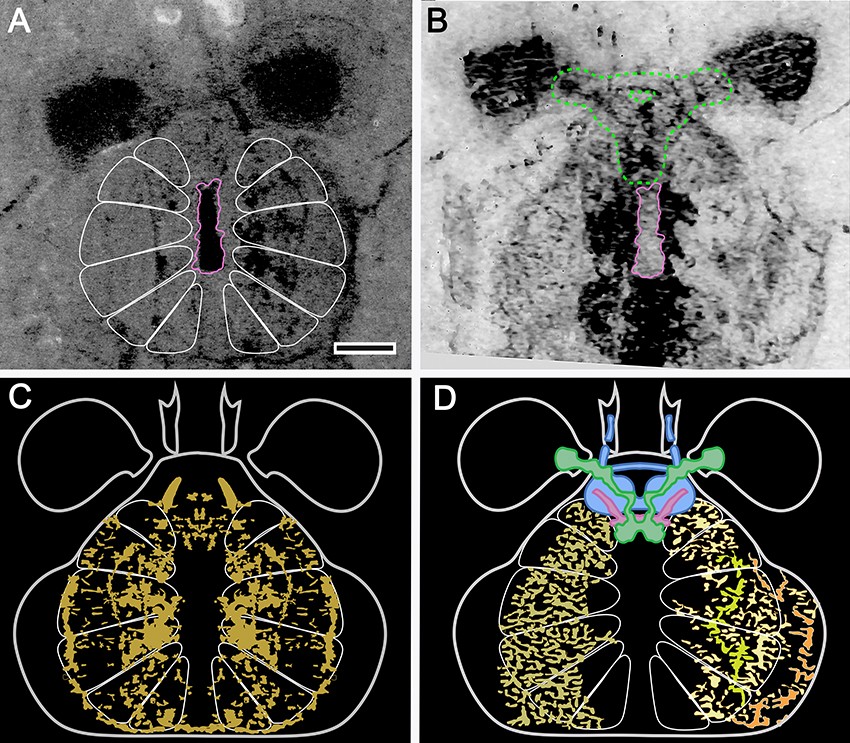
Employing sophisticated microscopy, scientists from the University of Arizona and King’s College London examined the fossil’s brain structure and found a remarkable resemblance to the nervous systems of contemporary arachnids. This discovery indicates that these creatures likely emerged from marine lineages instead of evolving solely on land.

Revealing a Marine Connection
One might wonder why the structure of a fossilized brain is so critical. The arrangement of an organism’s nervous system offers key insights into its evolutionary background. For Mollisonia, scientists observed a distinct neural configuration typical of marine arthropods like sea spiders and horseshoe crabs. This finding supports the hypothesis that arachnids originated in marine environments before transitioning to terrestrial habitats.
Simply put, this evidence challenges the notion that arachnids descended solely from land-based ancestors, suggesting instead that their evolutionary roots lie in the ocean, underscoring a stronger aquatic connection for spiders and scorpions than previously recognized.
Transition from Water to Land
Given this fresh perspective, a key question remains: how did early marine arthropods manage to colonize terrestrial ecosystems? The answer may involve adaptations in their neural architecture.
The brain structure of Mollisonia, featuring specialized neural pathways that govern movement, might have provided primitive arachnids with enhanced motor control. These neural adaptations could have facilitated critical land-based behaviors such as walking and web-spinning, crucial for survival in a new environment.
The Future of Arachnid Evolution Research
Although investigations into Mollisonia remain ongoing, this breakthrough opens exciting avenues for reexamining arachnid evolution. Confirming this marine origin hypothesis could significantly alter our comprehension of the development of some of Earth’s most adept predators. Moreover, it prompts fresh inquiries into other species that may share similar marine-to-terrestrial evolutionary pathways.
- Categories:
- Science




0 comments
Sign in to Comment