
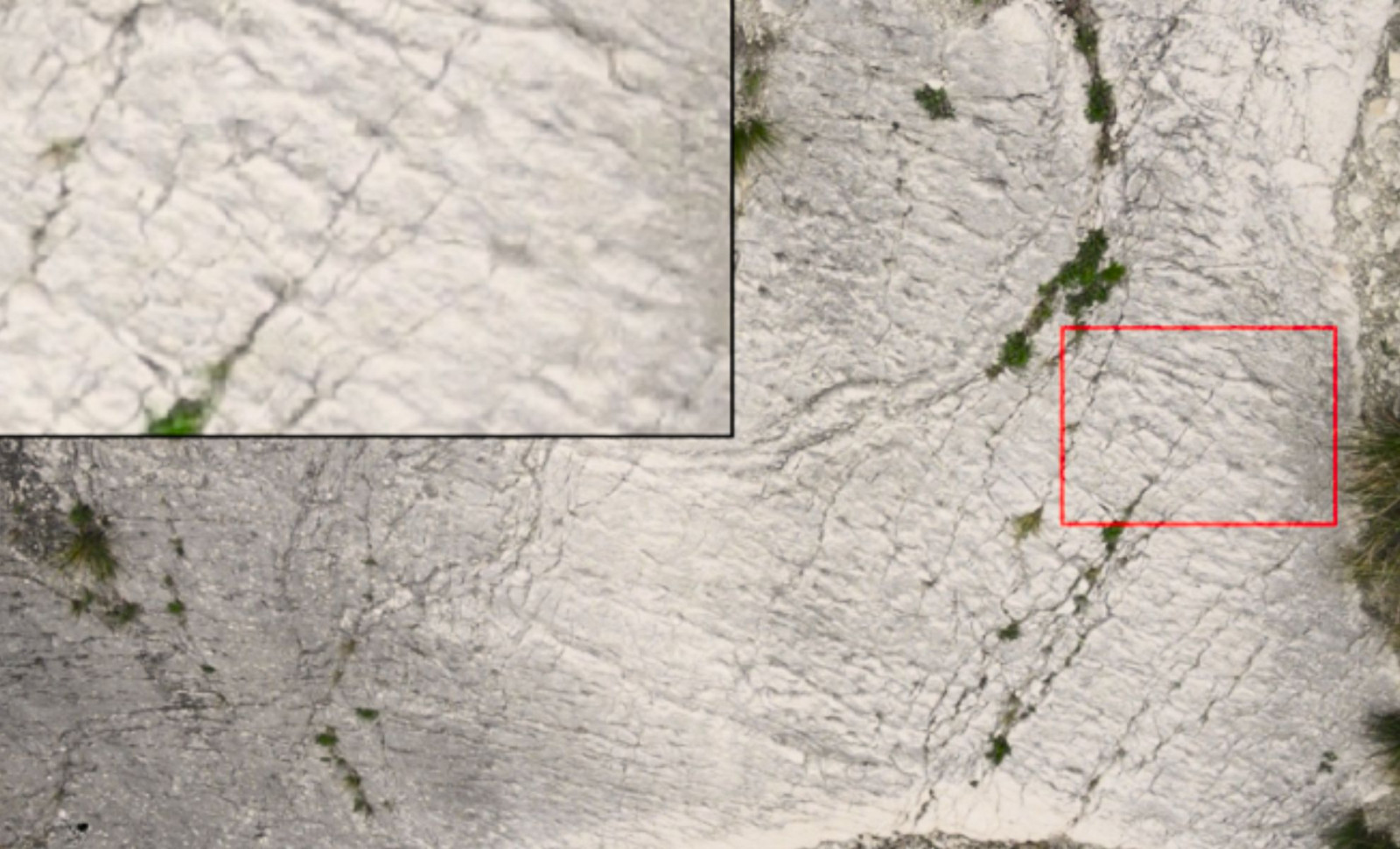
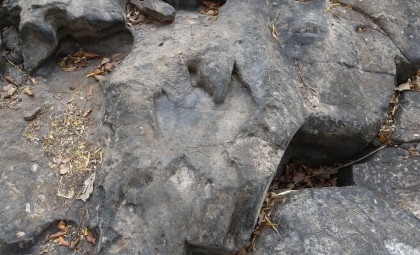
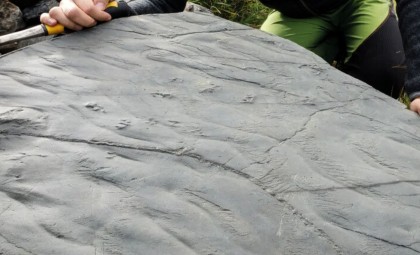
Distinct grooves etched into a limestone cliff along Italy’s Adriatic shoreline have sparked fresh investigations into the area's tectonic and fossil record. Initially discovered by avid rock climbers, these impressions have intrigued paleontologists and geologists alike, raising questions about ancient marine life and seismic activity.
Located within the Apennines, a region famed for capturing significant geologic moments like the globally significant K/Pg boundary, these parallel grooves represent more than rock formations—they preserve a rare snapshot of prehistoric behavior frozen in stone.
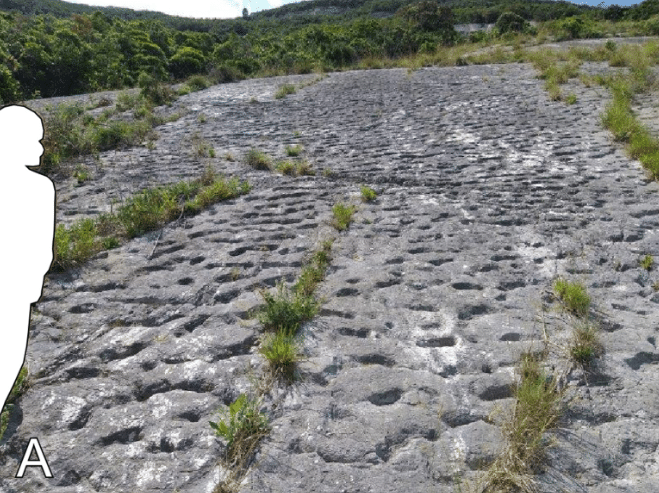
Early assessments pointed towards a mass movement event. The sheer quantity and arrangement of the markings hinted at collective motion, likely by marine reptiles. Since then, experts in sedimentology and paleobiology have been examining the site to decode the cause and pinpoint the event’s preservation in rock layers. Their findings point to an underwater disturbance almost 80 million years in the past.

Seismic Activity Preserves a Moment in the Ancient Seafloor
These trackways lie within the Scaglia Rossa Formation, an expansive pelagic limestone deposit spanning central Italy’s Umbria-Marche Apennines. Scientists from the Coldigioco Geological Observatory identified the grooves as the result of sediment displacement triggered by a seismic event during the Late Cretaceous era.
Through extensive field study and microscopic examination of rock sections, it was confirmed the tracks were sealed beneath a turbidite—a layer formed swiftly as an earthquake induced a submarine sediment slump. This rapid burial protected the footprints from disturbance by bottom-dwelling creatures or currents.
Dated to roughly 79 million years ago during the Campanian stage, this event was confirmed via microfossil assemblages and rock correlations. A peer-reviewed article in Cretaceous Research examined multiple Scaglia Rossa sections, linking the tracks to a seismic disturbance active during sediment deposition in the Campanian basin.
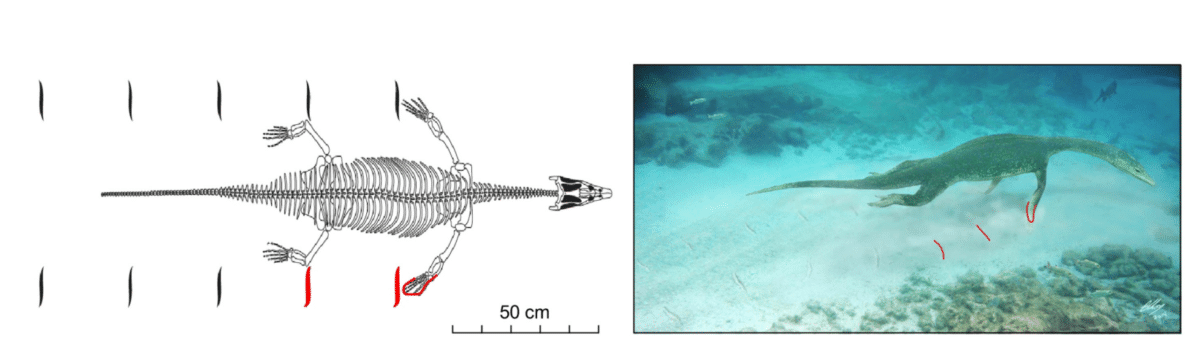
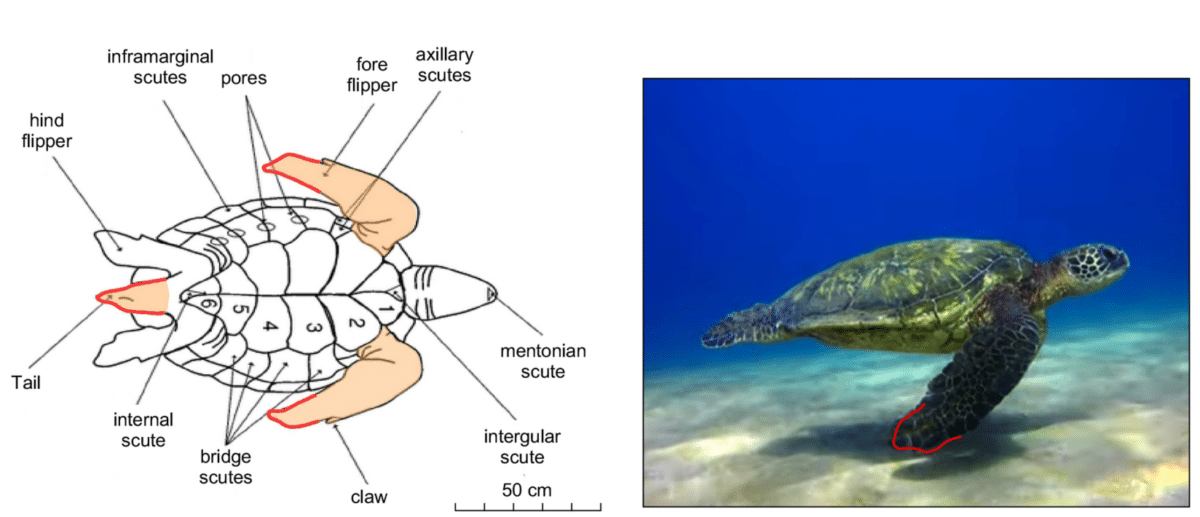
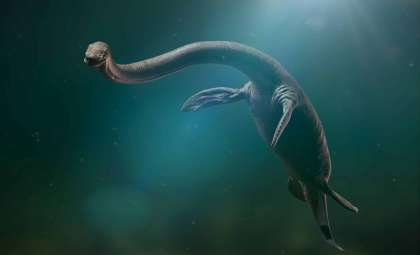
Drone surveys unveiled hundreds of nearly parallel, linear indentations, some longer than a meter. The shape and alignment suggest a simultaneous movement of creatures skimming across or just above the seafloor. The symmetry and form of these prints point to sea turtles as prime candidates, with larger marine reptiles like mosasaurs or plesiosaurs considered unlikely based on their limb structure and known behavior.
The limestone deposits at the site have been studied extensively over many years. Earlier magnetic stratigraphy work, including studies by Montanari and Alvarez published in the GSA Bulletin, utilized these formations to interpret tectonic and sedimentary processes in the Umbria-Marche Basin, confirming its significance in synsedimentary tectonic activity.
Were Ancient Marine Reptiles Fleeing a Seafloor Disturbance?
The prevailing hypothesis, detailed in the 2025 Cretaceous Research publication, suggests a seismic jolt propagated shockwaves through the seafloor, causing marine reptiles to attempt a hurried escape. As these animals moved across the ocean floor, their forelimbs created drag marks in soft sediment, which were then rapidly overlain by flowing calcareous mud, preserving them intact.
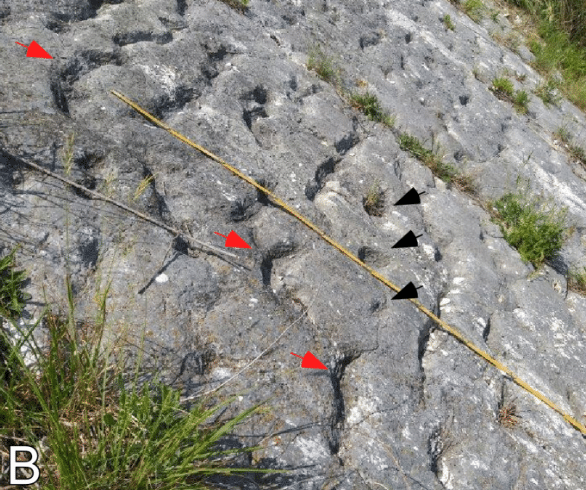
Such simultaneous underwater locomotion is exceptionally rare in the fossil record, especially within deep-sea environments. Researchers highlighted this feature, emphasizing the distinct bilateral layout and uniform depth of the tracks.
While sea turtles fit the predicted track shape and pattern, some experts remain skeptical. Modern sea turtles tend to move their forelimbs alternately in a figure-eight motion, whereas these fossil prints display paired limb impressions with straight push-offs—an unusual pattern for efficient aquatic swimmers.
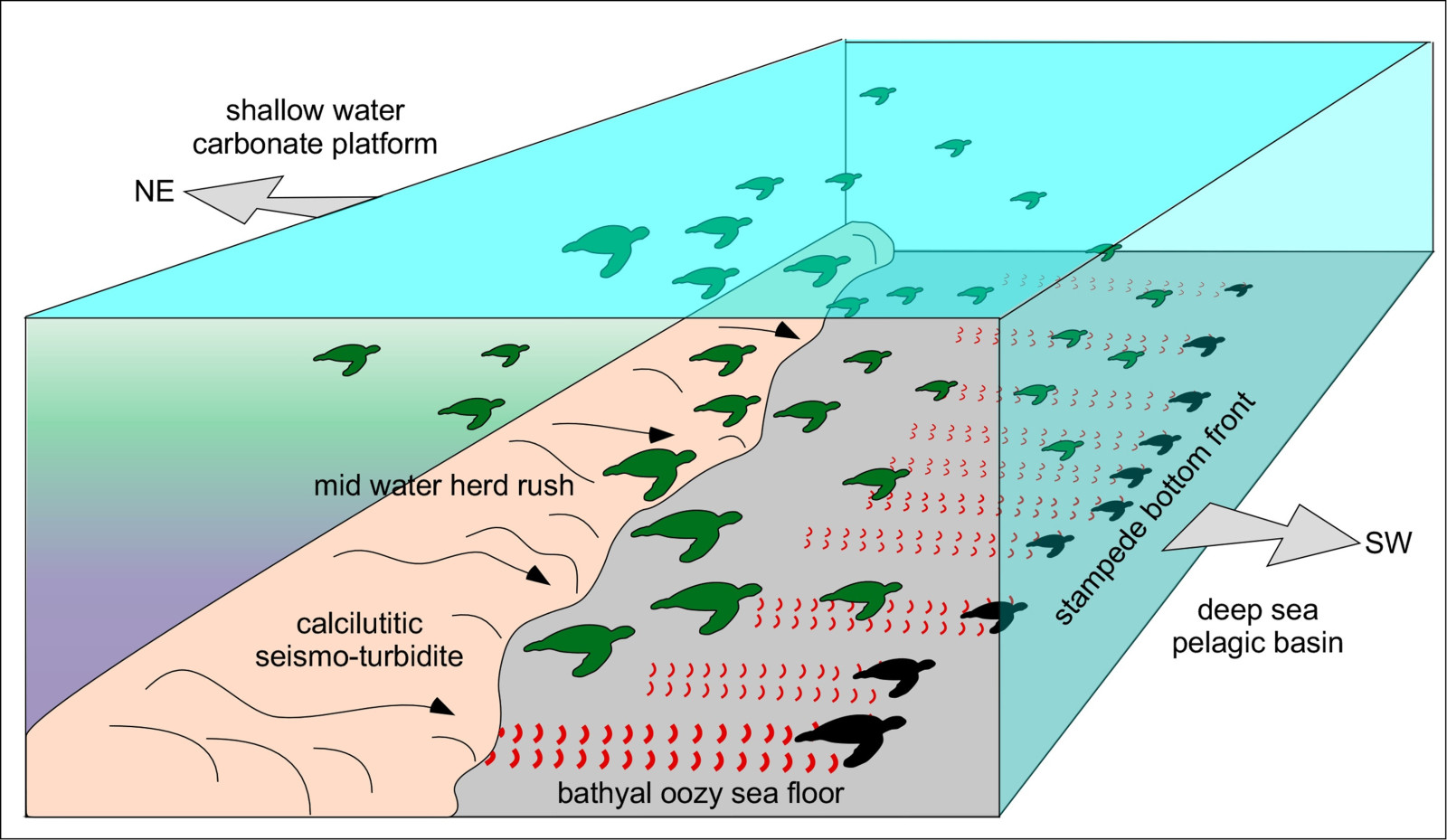
Despite such irregularities, the team acknowledges the trackmaker identity is not definitive. Further ichnological efforts slated for 2026 aim to specify species and explore other possible behavioral scenarios.
Previous track discoveries nearby have also been attributed to Cretaceous marine reptiles, based on similarities in footprint morphology and seafloor context. These findings helped orient the current research approach.
A Revered Geological Site That Continues to Reveal Its Past
The Monte Conero area, with its surrounding rock formations, has long been a magnet for sedimentologists, paleontologists, and stratigraphers due to its rich layering and global correlation significance. Nearby, the Bottaccione Gorge stands as one of the world’s premier sites for the K/Pg boundary, a key marker delineating the end of the dinosaur era.
Established in 1992, the Coldigioco Geological Observatory has facilitated over one hundred studies focusing on the sediment archives of this locale. Founders like Alvarez and Montanari aimed to create a center dedicated to researching Earth’s climatic and biological changes over deep time. Their ongoing geological mission and international collaborations continue to uncover new insights into the tectonic evolution of the Apennines.
This newly discovered track site fits within broader patterns of deep marine sedimentation and synsedimentary tectonics. Upcoming analyses will combine precise magnetostratigraphy, petrography, and trace fossil studies to better clarify the sequence of events that sealed this fossil snapshot in stone.
Local Marche authorities have enacted temporary protections for the area while it undergoes formal designation under Italy’s heritage laws. Applications for expanded excavations and environmental assessments submitted in late 2025 are currently under evaluation by regional scientific organizations.
- Categories:
- Science



0 comments
Sign in to Comment