
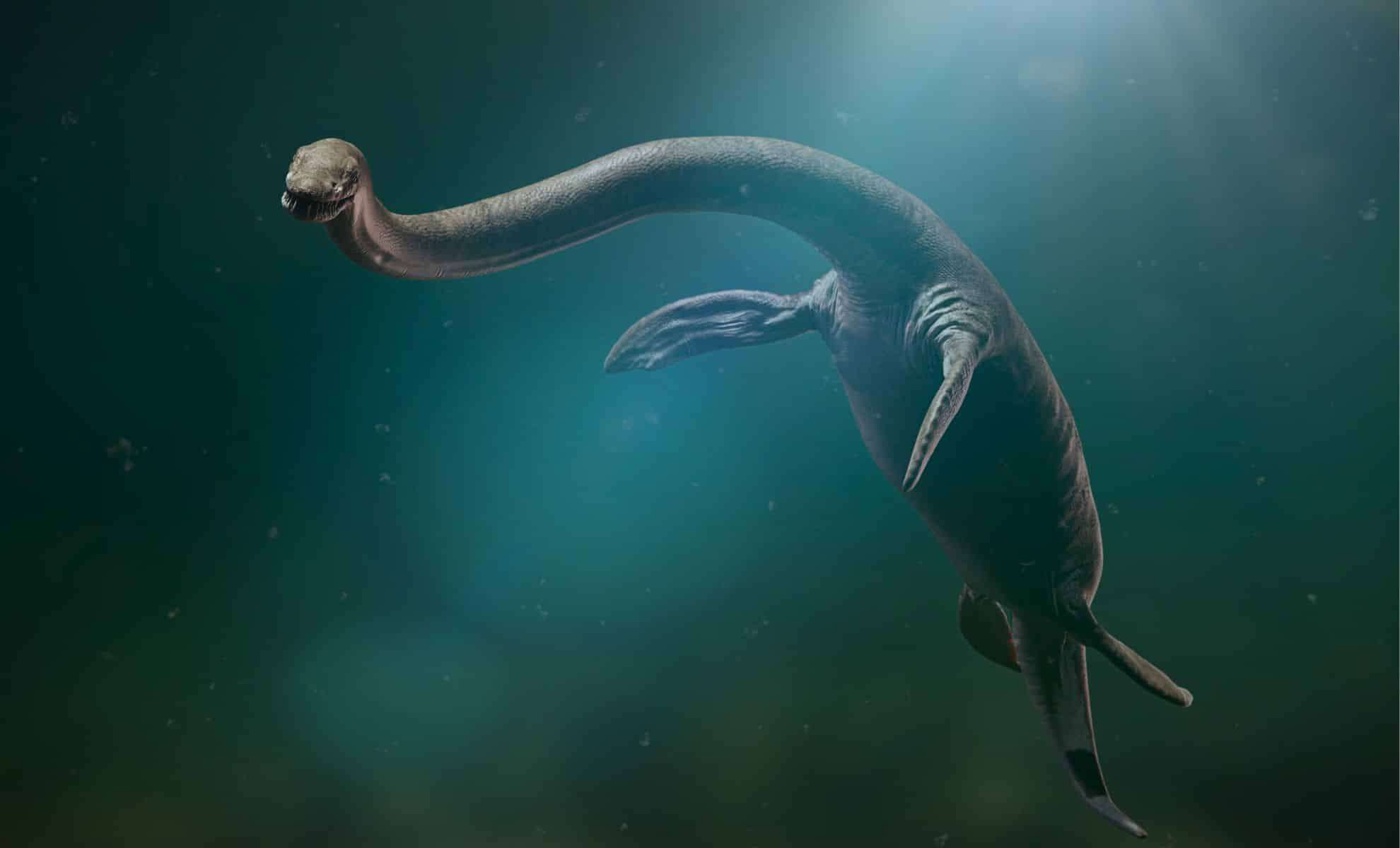
Researchers Sven Sachs and Daniel Madzia have revealed a new genus and species of plesiosaur, based on a nearly intact skeleton unearthed in 1978 in Holzmaden, Germany. Published in PeerJ, the study names this marine reptile from the Early Jurassic period Plesionectes longicollum. This creature features an exceptionally extended neck and distinct skeletal characteristics that challenge current views on plesiosaur evolution during the Toarcian stage, roughly 183 million years ago.
Misidentified and Forgotten for Nearly Half a Century
The fossil specimen, catalogued as SMNS 51945, was extracted from the renowned Posidonia Shale, famed for its superbly preserved marine fossils. Upon excavation, it was transferred to the Staatliches Museum für Naturkunde Stuttgart and initially misclassified as a known species, leading to nearly 50 years of storage without detailed examination.
When Sachs and Madzia reexamined the fossil, they identified a set of features not previously observed in Lower Jurassic plesiosaurs, including a neck with at least 43 cervical vertebrae extending about 1.25 meters out of a total length estimated at 3.2 meters, distinctive V-shaped neurocentral sutures in the vertebrae, and notably low neural spines.

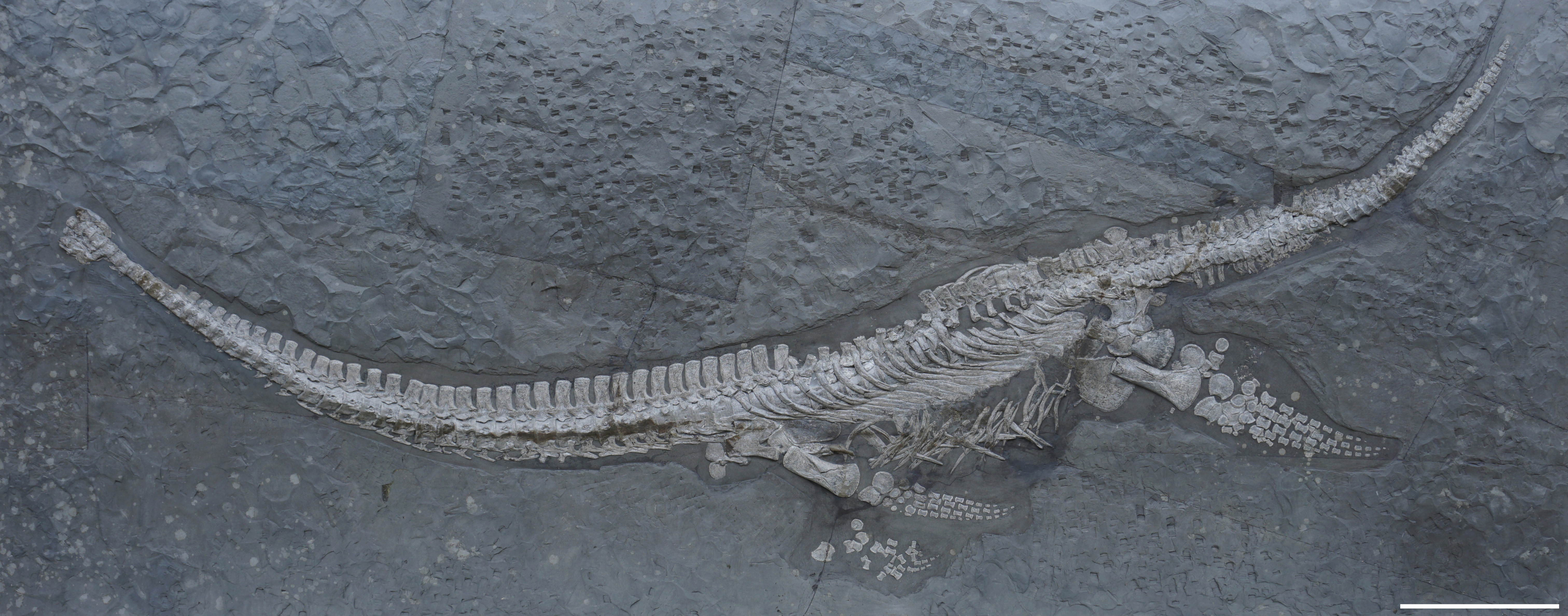
Although the skull suffered significant damage, anatomical features such as the paraoccipital process and squamosal provided crucial information that supported the proposal of a new genus and species.
Unique Anatomical Arrangement
The research highlighted that Plesionectes longicollum possessed not just a lengthy neck but also preserved evidence of soft tissues, enabling a more comprehensive anatomical reconstruction. The specimen included four pectoral vertebrae, 20–21 dorsal vertebrae, and a tail composed of 39 vertebrae. Limb and girdle bones imply an atypical swimming mechanism, possibly linked to ecological adaptation.
Its cervical ribs displayed both anterior and posterior extensions, with the final neck vertebrae exhibiting a shift from paired rib facets to a single facet—a trait rarely observed among early plesiosaurs.
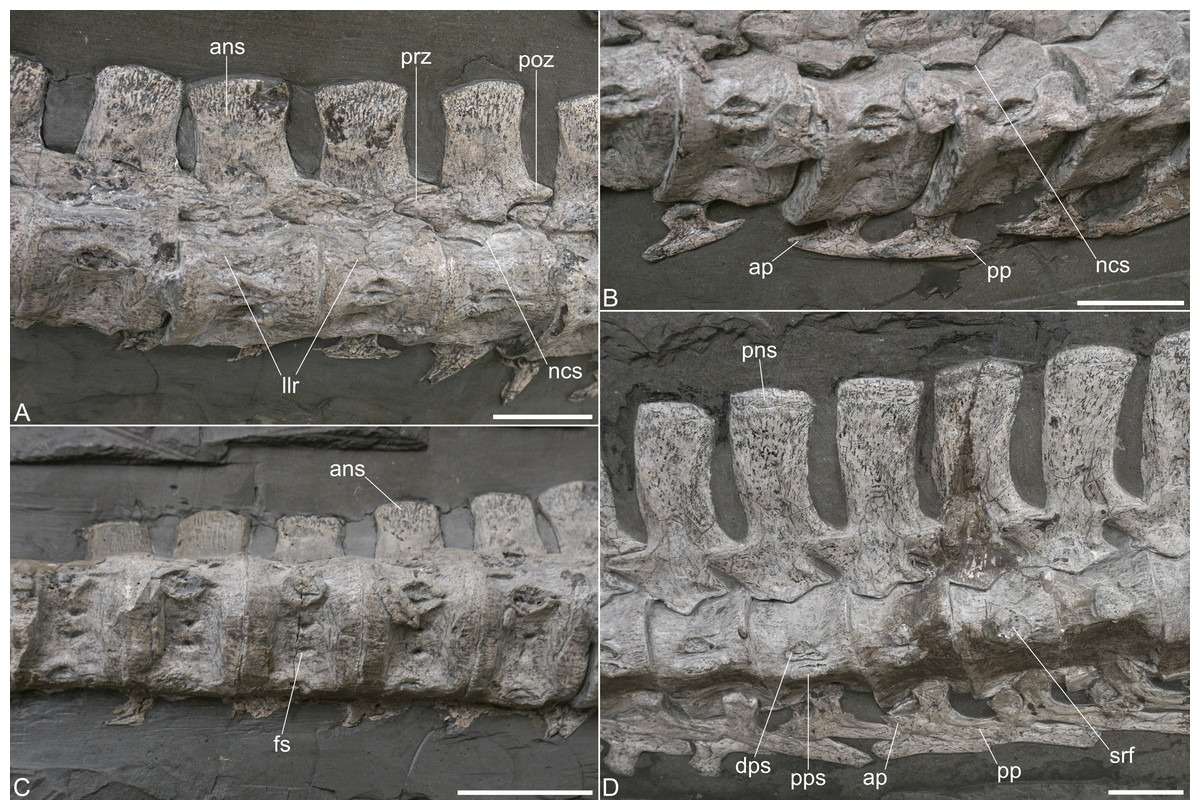
The comparatively small neural spines distinguish it further from contemporary species. Importantly, the authors emphasize that these features represent stable anatomical traits rather than signs of juvenile development.
Surviving a Period of Oceanic Upheaval
This marine reptile existed during the Toarcian Oceanic Anoxic Event, a time marked by drastic climatic shifts including increased atmospheric CO₂, ocean temperature rises, and depletion of oxygen in deeper marine zones. These harsh conditions led to extensive marine species extinctions, yet Plesionectes longicollum appears to have thrived, making it the earliest documented plesiosaur from the Holzmaden site, predating five other species found there.
This discovery provides compelling evidence that certain plesiosaurs rapidly developed specialized morphologies to withstand environmental stresses, highlighting a more intricate evolutionary narrative in Early Jurassic marine ecosystems than previously recognized.
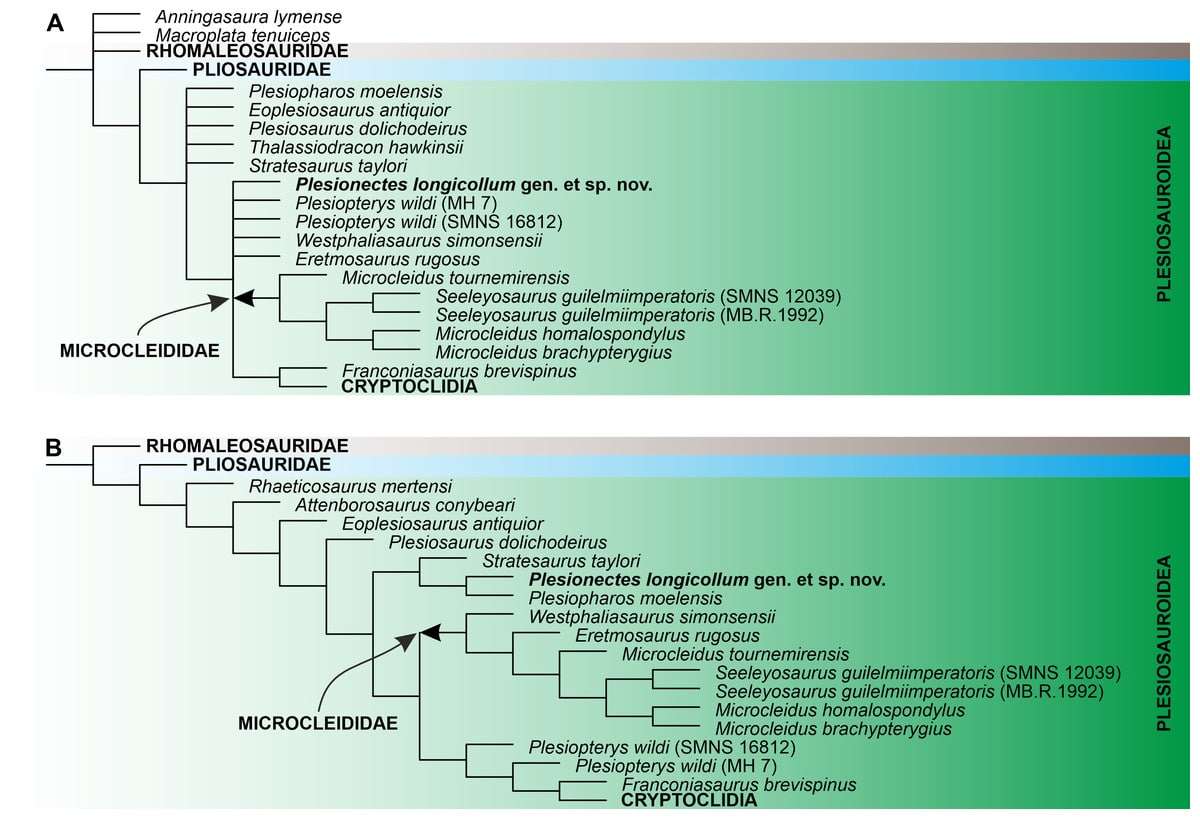
With this addition, the Posidonia Shale of Holzmaden now hosts six confirmed plesiosaur species, reinforcing its reputation as one of the most prolific Lower Jurassic marine fossil sites. The find highlights the enduring scientific potential of museum archives, demonstrating that fossils stored for decades can still significantly revise our understanding of prehistoric life when revisited with fresh perspectives.
- Categories:
- Science




0 comments
Sign in to Comment