
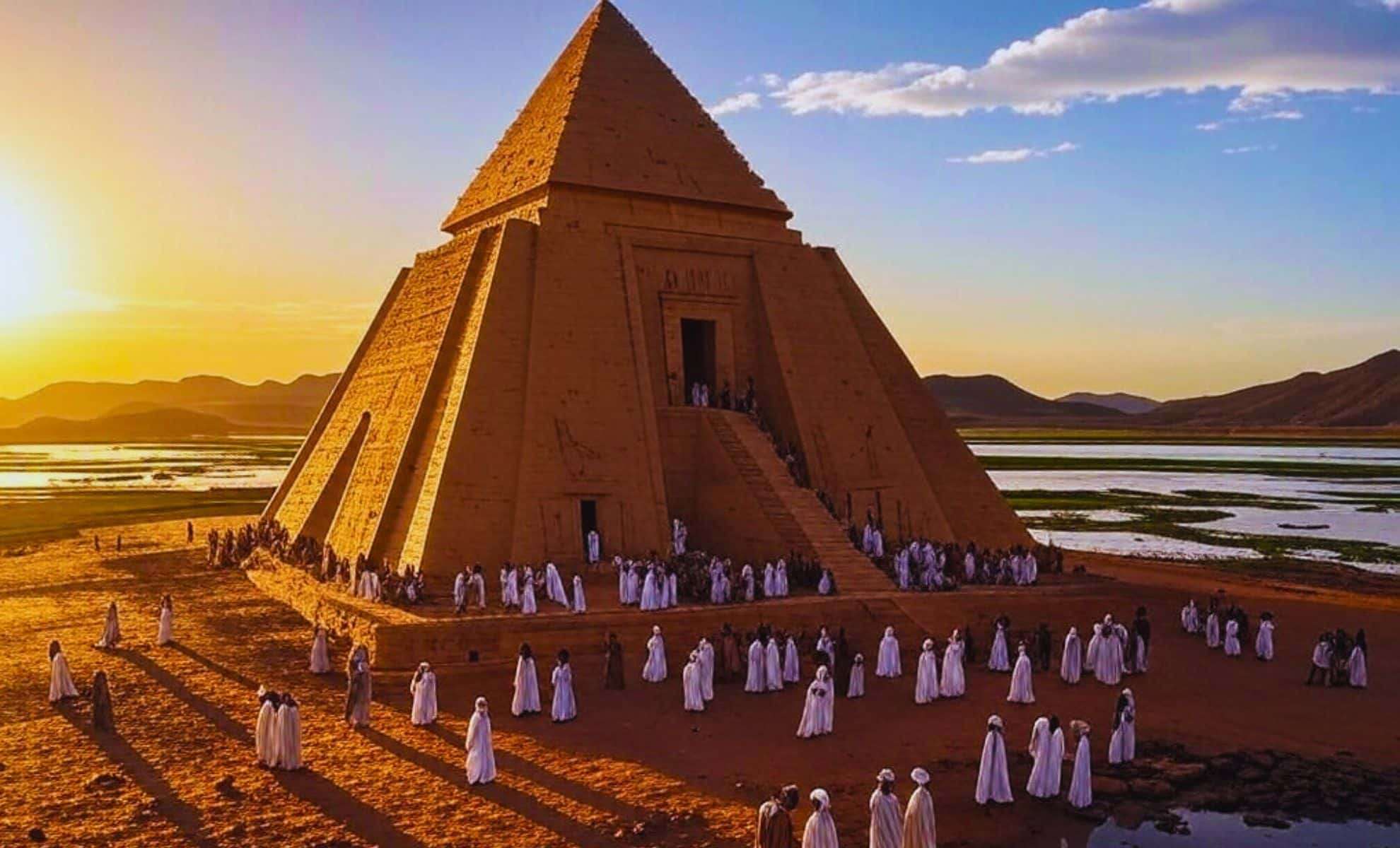
Most people immediately associate pyramids with Egypt’s renowned Great Pyramid of Giza. Surprisingly, the largest concentration of pyramids worldwide is actually located in Sudan, boasting an impressive tally of 220 to 255 pyramids, more than twice the number found in Egypt. Constructed by the Kingdom of Kush, these remarkable structures offer insight into a powerful African civilization that once rivaled Egypt in influence and magnificence.
The Pyramid Legacy of Kush
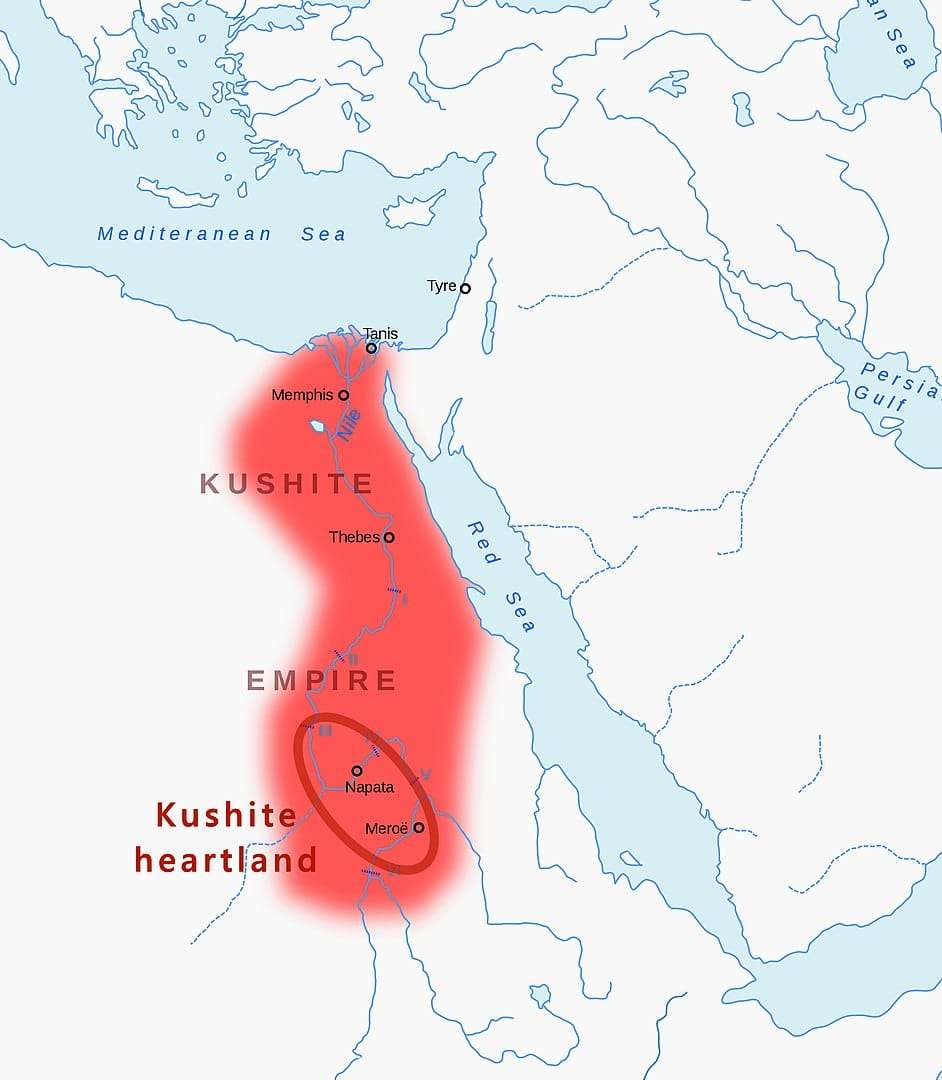
The pyramids of Sudan stand as a testament to the Kingdom of Kush, an influential civilization that thrived between 800 BCE and 350 CE in the Nubian region, covering parts of southern Egypt and northern Sudan. During their reign, the Kushites experienced a flourishing period of cultural interconnection, including a conquest of Egypt that initiated the 25th dynasty, ruled by the so-called Black Pharaohs. Among them, Piye was a prominent ruler who took control of Egypt around 770 BCE and sought to immortalize his legacy through monumental architecture.
Drawing inspiration from Egyptian designs, Piye commissioned his own pyramid at El-Kurru, a royal burial site near the Nile River. This marked the beginning of a long tradition of pyramid construction in Sudan, spanning many generations of Kushite leaders.

Meroë: The Desert’s Buried Gem
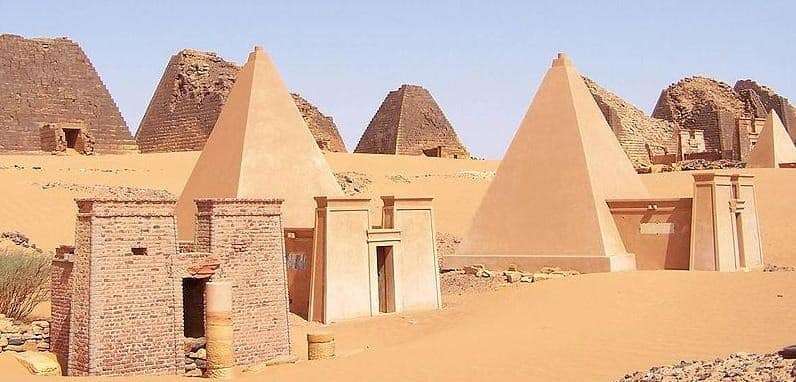
Following the Kushites’ retreat from Egypt, their capital relocated to Meroë, situated close to modern-day Khartoum. This city became the cultural and political center of the kingdom and hosts almost 200 pyramids, forming the largest pyramid assemblage worldwide. These structures differ from their Egyptian counterparts by being smaller, steeper, and more closely clustered, with sharply pointed tops that create a distinctive desert skyline.
Far beyond impressive monuments, these pyramids served as royal burial sites, containing the remains of 41 Kushite monarchs and a wealth of grave goods meant to accompany the deceased in the afterlife. They were commonly complemented by chapels decorated with detailed carvings and hieroglyphics, merging Egyptian symbolism with Nubian artistry.
Contrasting Egyptian and Kushite Pyramid Features
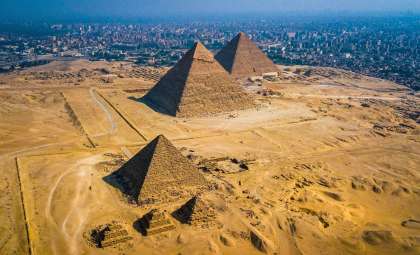
Here is a summary highlighting what differentiates Sudan’s pyramids from those in Egypt:
This distinctive style showcases the Kushites’ effort to adapt and personalize Egyptian monumental architecture to their own cultural identity.
The Historic Rivalry Captured in Stone
While Egyptian pyramids have achieved worldwide fame, Sudan’s pyramid sites possess a unique character. The Kushites integrated Egyptian influences but introduced their own architectural signature, manifesting in sharply pointed pyramids set within dense burial grounds. Their structures tend to be more modest in height, with the tallest peaking at roughly 30 meters (100 feet), considerably smaller than the towering Great Pyramid of Giza.
Nonetheless, these pyramids are powerful symbols of the Kingdom of Kush’s might. This ancient civilization controlled vital Nile trade routes and cultivated a sophisticated society that stood on equal footing with other great powers of the ancient world.
Preservation Challenges for Sudan’s Pyramids
Despite their immense cultural value, Sudan’s pyramids have suffered centuries of neglect. Their rediscovery in the 1830s by Italian explorer Giuseppe Ferlini ended disastrously, as he detonated many pyramids in search of gold, leaving behind significant damage.
Modern woes have only compounded their vulnerability. Years of civil unrest and political upheaval in Sudan have hindered adequate archaeological preservation. In contrast to Egypt’s heavily visited and internationally supported sites, these pyramids largely remain forgotten and deteriorating, awaiting global attention.
Efforts Toward Conservation and Revival
Restoration initiatives are gradually emerging. The ancient city of Meroë was designated a UNESCO World Heritage Site in 2011, which has renewed scholarly and conservation interest. Although teams from various countries are involved in safeguarding these monuments, securing sufficient funding continues to be a significant challenge.
Developing tourism could bolster preservation efforts, though ongoing instability and limited infrastructure have so far hampered visits. Still, the potential remains extraordinary—envision walking through Meroë’s extensive necropolis, surrounded by hundreds of striking pyramids rising above the desert sands, competing visually with Egypt’s famed architectural wonders.
The Global Importance of Sudan’s Pyramids
Sudan’s pyramids represent much more than architectural feats; they are enduring emblems of a once-great empire that shaped African and ancient world history. Neglecting these sites is a loss to humanity’s shared heritage. With enhanced support and visibility, Sudan’s pyramids could reclaim their place among the world’s most remarkable ancient landmarks.
So next time pyramids come up in conversation, remember to look beyond Egypt—Sudan’s extraordinary pyramids await discovery and admiration.
- Categories:
- Science









0 comments
Sign in to Comment