
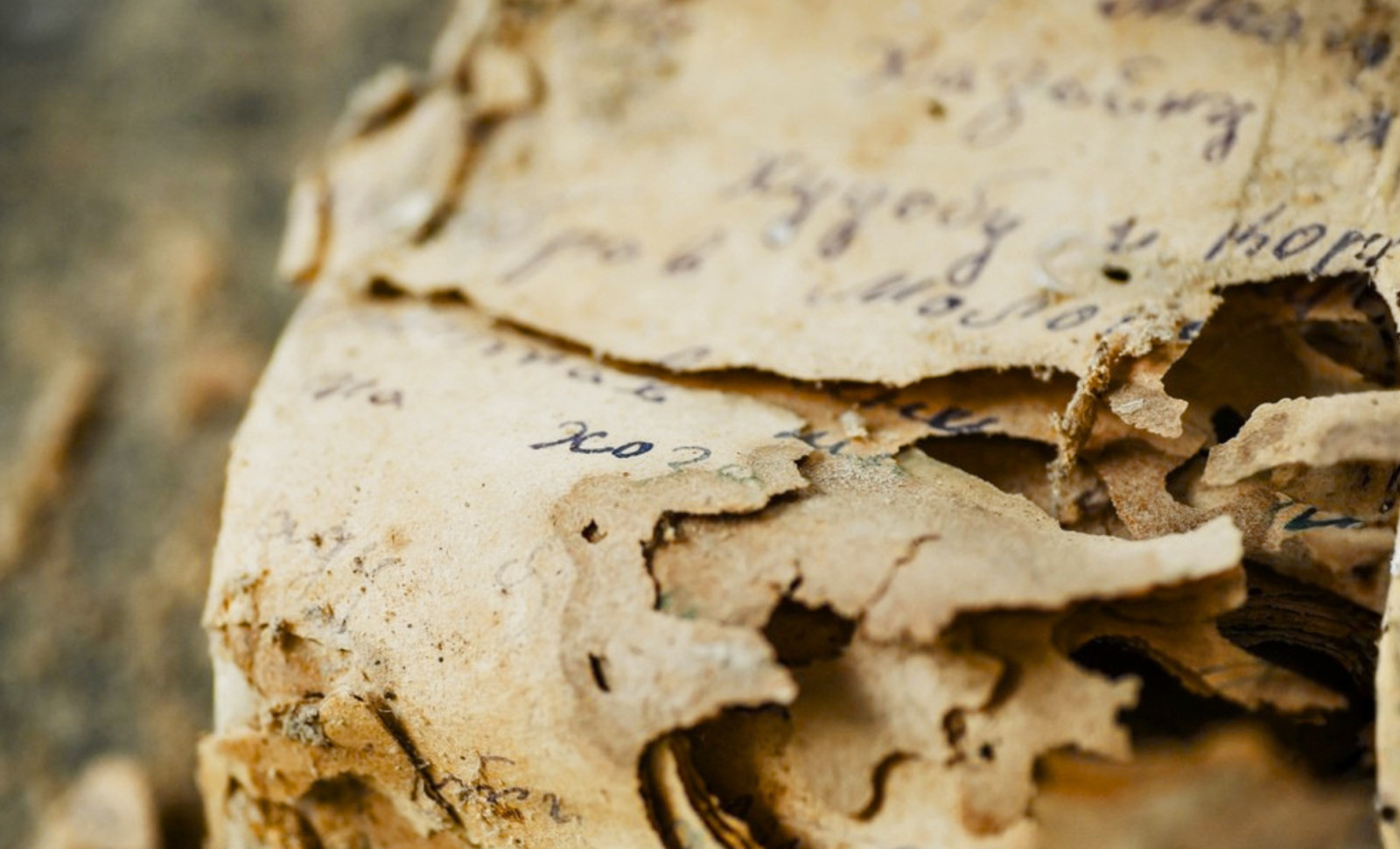
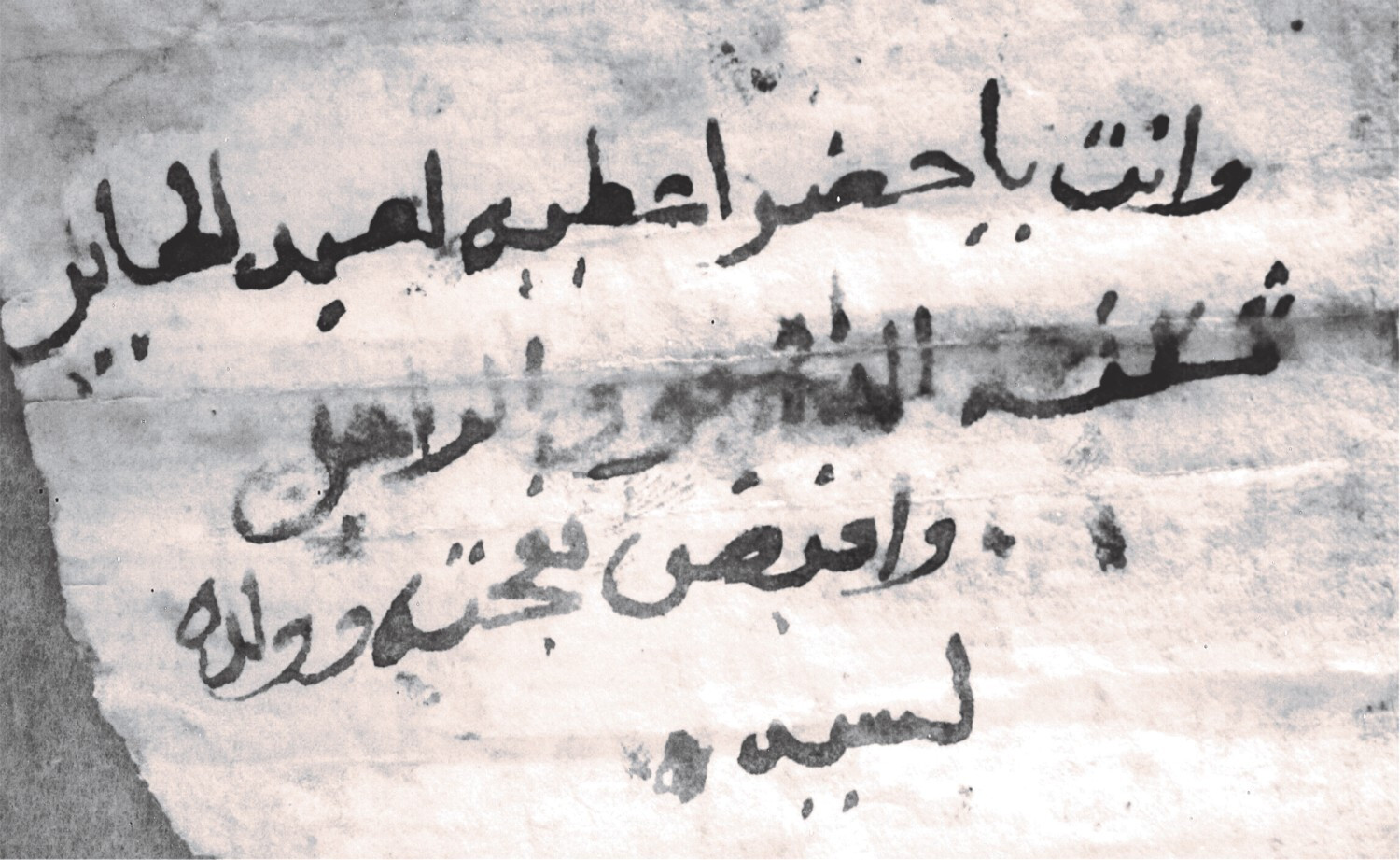
For generations, King Qashqash was known solely through oral narratives and fragmented biographies, with historians unsure if he was an actual monarch or a legendary character. However, a newly uncovered document from Sudan has now confirmed his existence. This delicate fragment of paper, traced back to the late 1500s or early 1600s, contains an official order bearing the king’s name, providing concrete proof that Qashqash was a ruling authority in Old Dongola, a historic Nubian city.
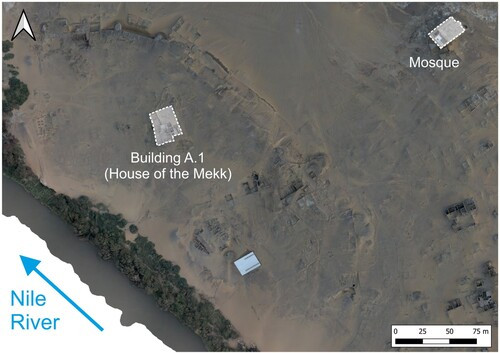
The artifact emerged during excavations at Old Dongola, an ancient city on the Nile’s eastern bank that once stood as the capital of the Christian Makurian kingdom. Excavators from the Polish Centre of Mediterranean Archaeology at the University of Warsaw discovered the letter in a refuse layer inside a substantial residence locally dubbed the "King’s House." Though the paper is just about four by three and a half inches, it has unlocked new insights into a poorly recorded chapter of Nubian history.
Written records from the post-Makurian period are exceptionally scarce. This find, together with over twenty other Arabic documents from the same dwelling, offers a rare glimpse into the governance and commerce during this pivotal era in Nubia.

Royal Command on a Tiny Piece of Paper
The text itself is concise and functional. King Qashqash instructs a subordinate, Khidr, to oversee an exchange of goods involving three pieces of cloth from Muhammad al-ʿArab, to be traded for a ewe and her lamb collected from ʿAbd al-Jabir. Although the order seems ordinary, it highlights the king’s direct role in managing economic activities.
The tone of the message is immediate and personal. "Do not hesitate! This is my letter/reply to you," reads the translated text cited in an Earth.com article. This phrasing conveys urgency and personal authority, contrasting with more impersonal official documents of the time.
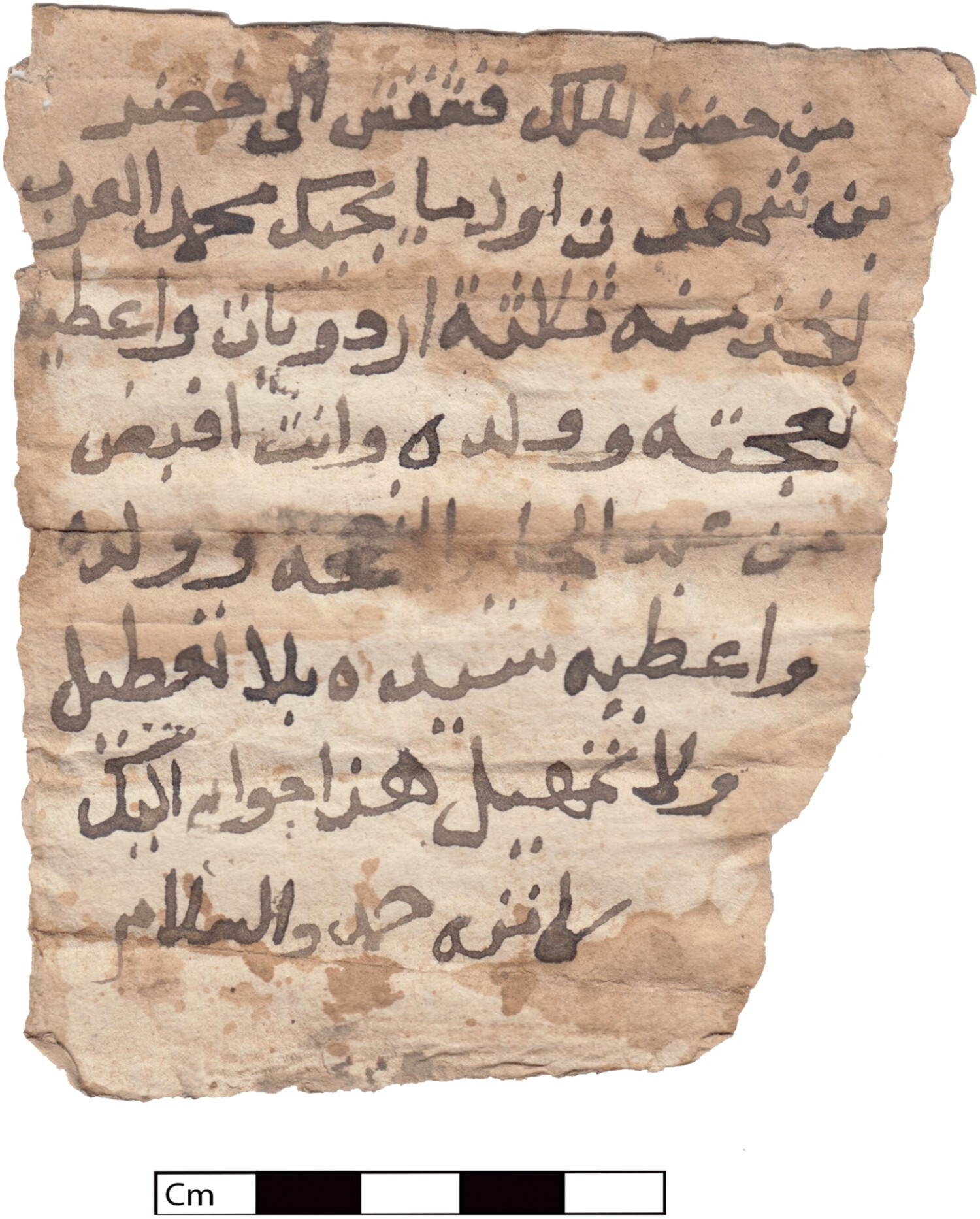
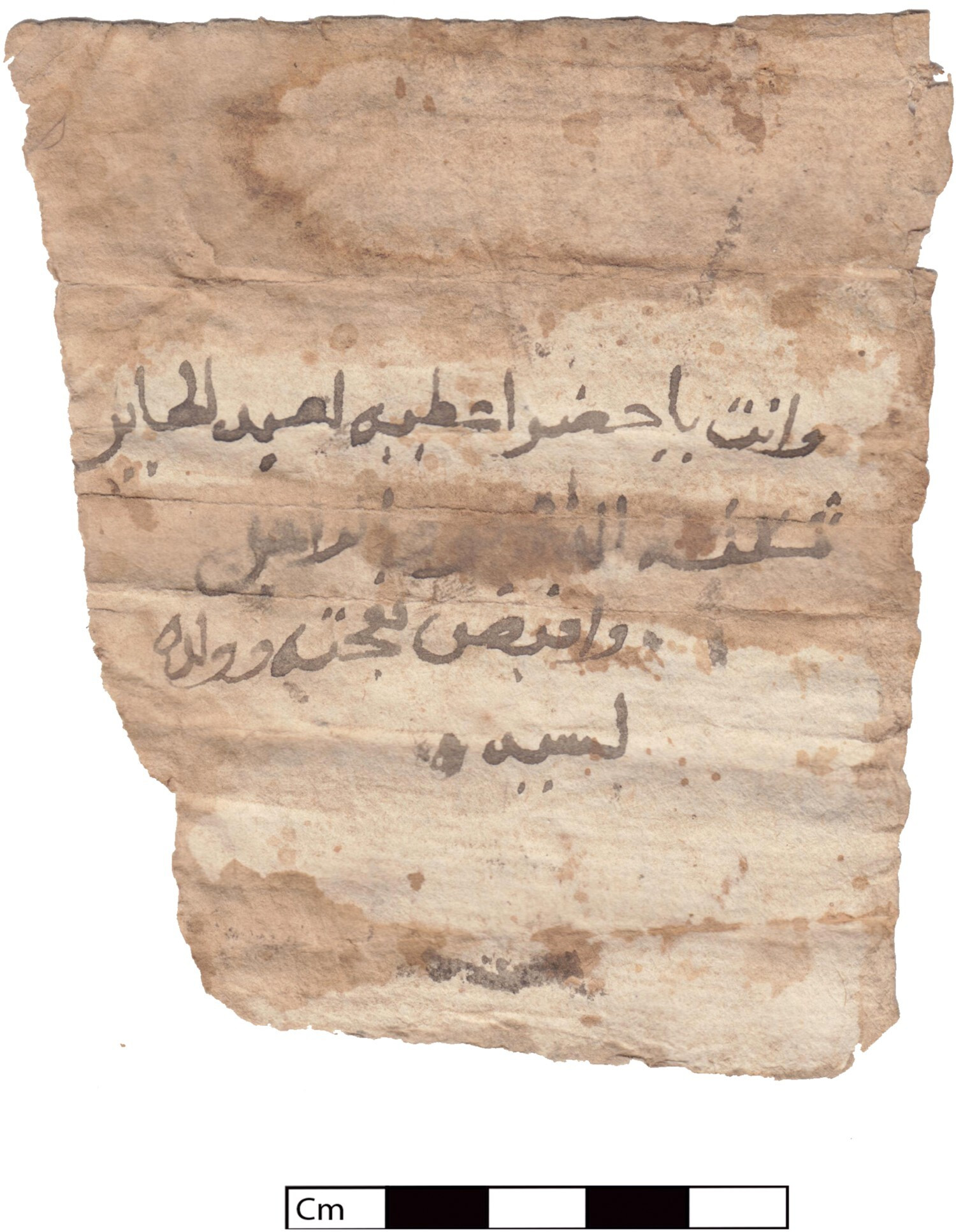
The language contains grammatical inconsistencies and compact lettering, indicating that Arabic was still evolving as a formal administrative script in the region. The scribe, named Hamad, likely transcribed a spoken dialect. The document’s reverse side holds further text, though much of it is unreadable due to damage.
Dating Through Coins and Radiocarbon Evidence
The letter lacks a direct date, so researchers employed multiple dating techniques. Eight silver coins found in the same room were minted during the reign of Ottoman Sultan Murad IV (1623–1640), setting an early seventeenth-century latest date.
Radiocarbon analysis of organic remnants from the rubbish layer suggested no later than the late 1700s. Combining this data with historical clues, experts infer the letter originated in the late sixteenth or early seventeenth century.
This timeframe situates King Qashqash’s reign during a transitional period—after Makuria’s collapse but before the Turco-Egyptian forces invaded Sudan in 1820. During this time, the Funj Sultanate influenced Nubia from the south, Ottoman Egypt extended power from the north, and local Nubian traditions remained strong.
Turning Folklore into History
Prior to this evidence, King Qashqash was chiefly documented in later Sudanese genealogies that linked him to renowned religious leaders. Though nineteenth-century biographies kept his legacy alive, no contemporary records had validated his rule, leaving his historical status uncertain.
This letter changes that narrative. In their paper, the authors underscore the importance of anchoring a figure formerly limited to hagiographic tales and oral memory within a verifiable archaeological context. Cited by Popular Mechanics, they state: "The king’s order discussed here represents a rare example where a figure once confined to hagiography and oral tradition can be historically situated with reliable archaeological proof."
The broader collection of documents uncovered also offers a rich resource. As noted in Medievalists.net, the researchers commented: "The documentary finds in Old Dongola, including this royal letter, unlock crucial insights into Dongola’s communication networks prior to the colonial period initiated by the 1820 Turco-Egyptian invasion."
Unveiling the King's Residence
The site of this discovery, known as Building A.1 within the citadel, reveals much about Old Dongola’s layered history. More than twenty Arabic manuscripts were found there, alongside artifacts indicating wealth and status: textiles woven from silk, cotton, and linen; leather shoes; an ivory or rhinoceros horn dagger handle; and musket projectiles.
The document trove comprises correspondence, legal writings, and administrative papers that are believed to be part of an interconnected communication system. Tomasz Barański, one of the investigators, shared with Earth.com that "Early examinations of the letters from Building A.1 reveal identifiable patterns in correspondence circulation, indicating a structured communication network."
For those captivated by ancient Nubia or the history of pre-colonial Sudan, this discovery is a valuable lens into a frequently overlooked era. It also highlights how archaeological findings continually reshape historical understanding of African kingdoms. This compact administrative order, small enough to slip unnoticed into a pocket, affirms what oral tradition preserved for centuries: that a king named Qashqash ruled Old Dongola.
The research, titled “The King of Nubia at work: archaeological context and text edition of a sixteenth/seventeenth-century Arabic document from Old Dongola,” by Tomasz Barański, Artur Obłuski, and Maciej Wyżgoł, is available in Azania: Archaeological Research in Africa.
- Categories:
- Science










0 comments
Sign in to Comment