
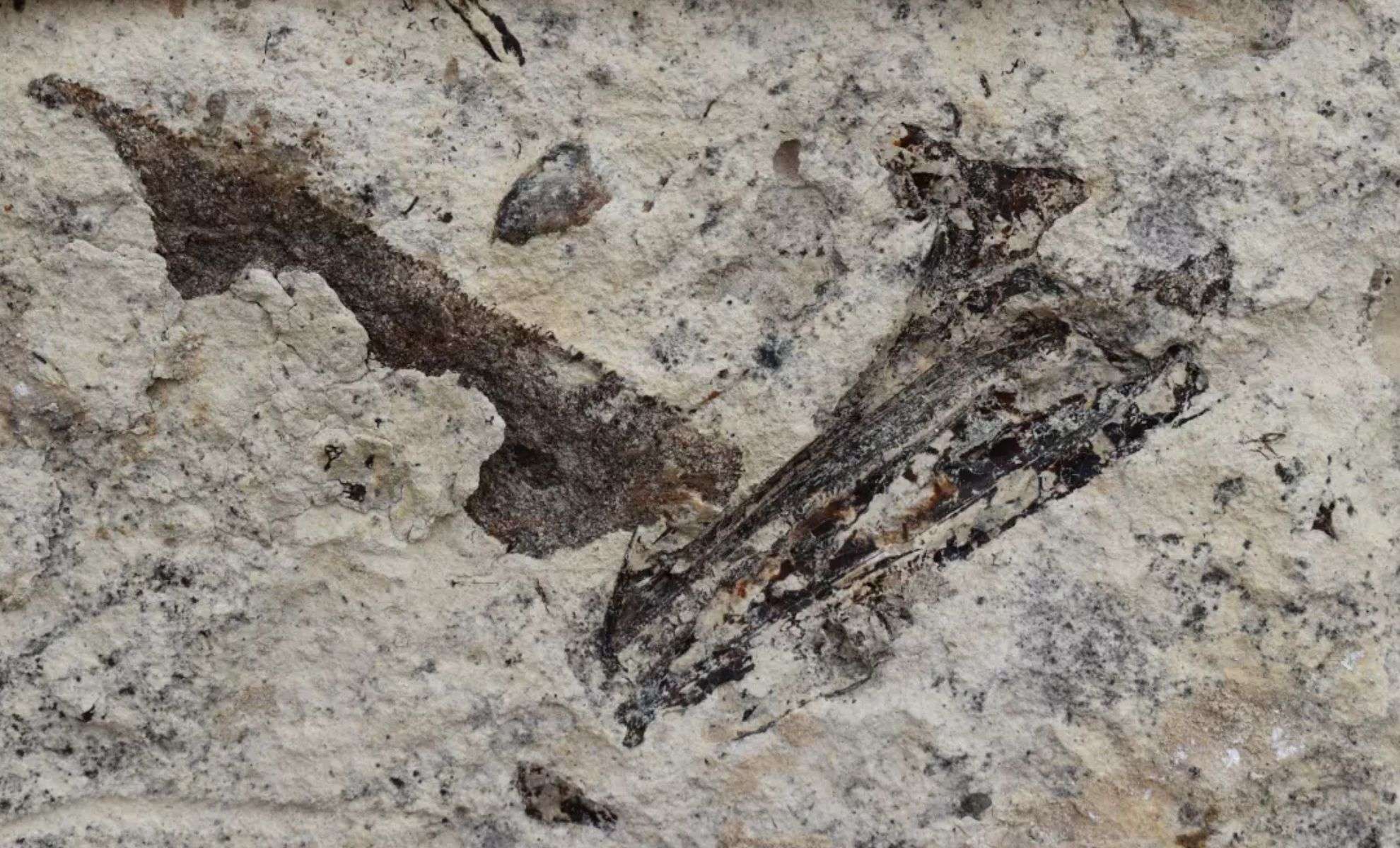
During routine construction at San Pedro High School in Los Angeles, workers stumbled upon an extraordinary fossil trove revealing a vibrant prehistoric marine environment. This vast deposit contains millions of specimens from more than 200 different species, offering a rare window into ocean life millions of years ago, as detailed by the Los Angeles Times.
An Unexpected Paleontological Treasure Beneath a School
In 2022, renovations at San Pedro High School on the Palos Verdes Peninsula unveiled significant fossil layers just beneath the ground. What started as a simple update to infrastructure developed into a key discovery when crews uncovered ancient bone and shell remains.
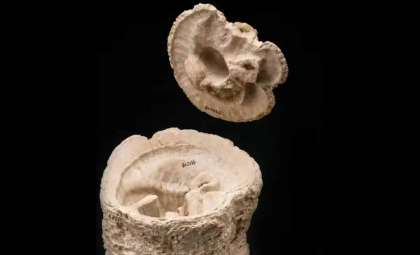
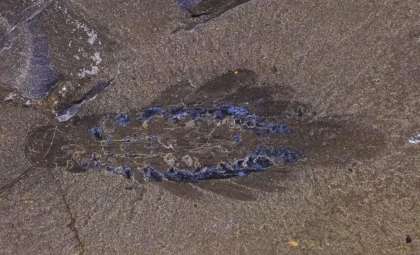
Experts identified two rich fossil strata: a Miocene bone bed from roughly nine million years ago, and a younger Pleistocene shell layer dating to around 120,000 years ago. Both contain exceptionally well-preserved marine fossils.

Remains of Megalodon, Saber-Toothed Salmon, and More Surface
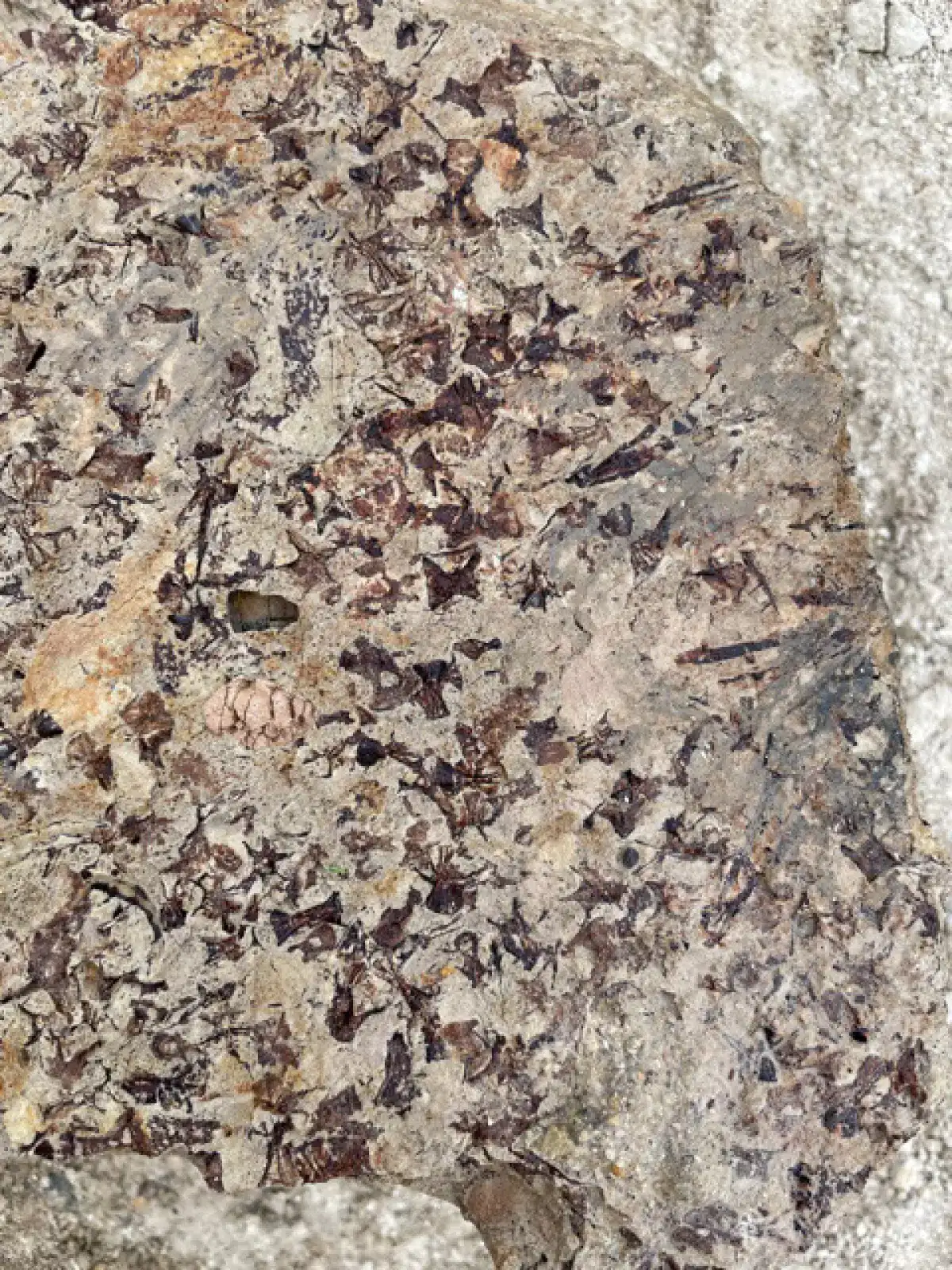
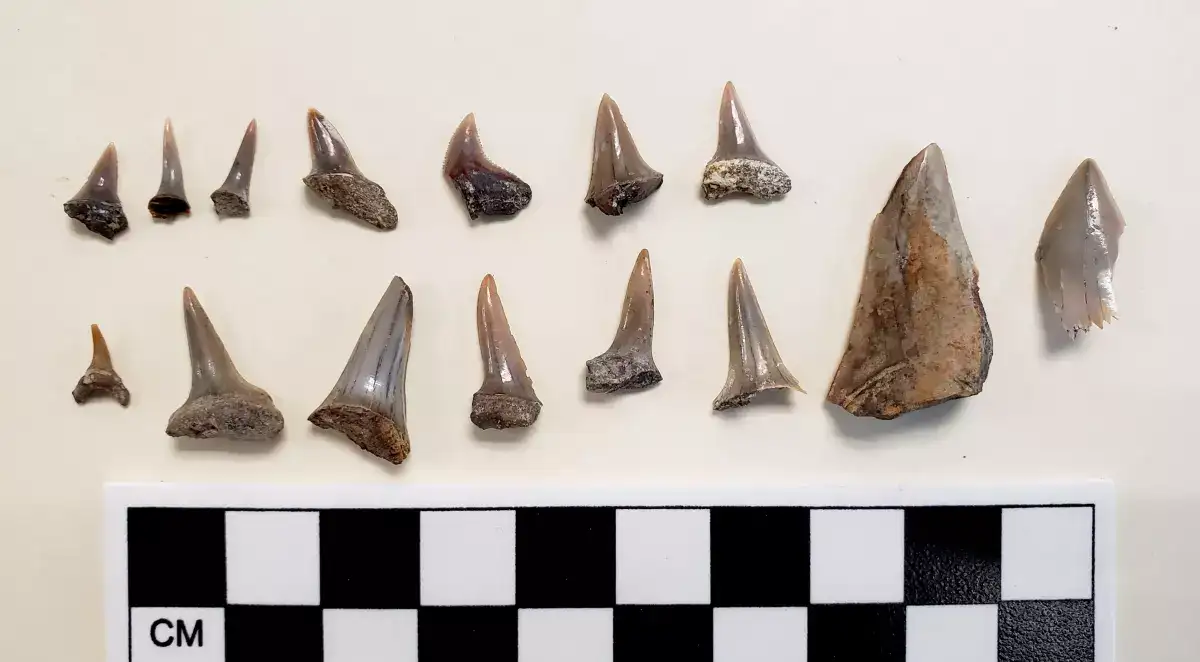
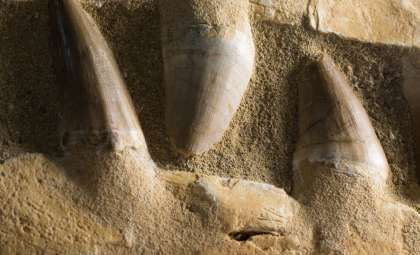
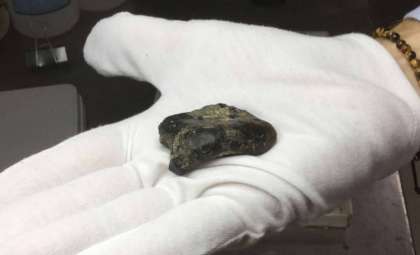
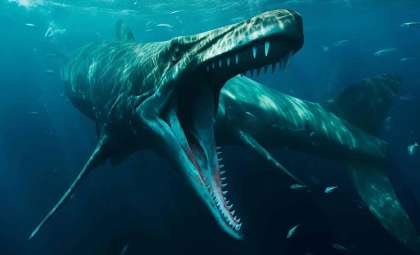
The site has yielded a diverse array of prehistoric ocean inhabitants. Remarkably, bones of the giant megalodon shark, a dominant predator of its time, were found alongside fossils of saber-toothed salmon, shorebirds, sea turtles, and fossilized dolphins and whales. The sheer quantity of bones and shells paints a comprehensive picture of an ocean ecosystem from millions of years ago.
Most fossils were embedded within diatomite, fossilized algae indicative of nutrient-rich waters capable of supporting diverse marine life. Wayne Bischoff, head of cultural resources at Envicom Corporation, explained that the site represents a full ancient ecosystem, not just isolated specimens. “It’s the entire ecosystem from an age that’s gone,” he shared with LAist.
Students Engage Directly with Ancient History
The discovery has transformed San Pedro High School students’ connection to their local history. Many have gotten involved in hands-on fossil research and classification at the Natural History Museum of Los Angeles County, the Cabrillo Marine Aquarium, and Cal State Channel Islands.
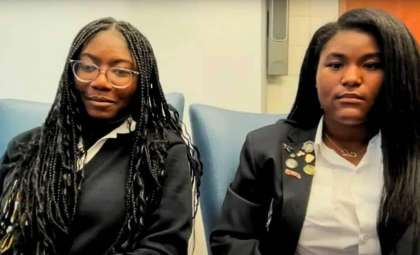
Student Milad Esfahani likened sorting the fossilized shells to "gold panning," finding the experience deeply inspiring and motivating career aspirations in marine paleontology. Fellow student Taya Olson expressed astonishment, saying, “I thought this stuff was something that never happens, especially around here. It only happens in textbooks.”
Unveiling a Sunken Chapter of California’s Past
These fossils confirm long-held beliefs that much of what is now Los Angeles was once submerged beneath the Pacific Ocean, hosting rich marine ecosystems. The mix of deep-sea and coastal species indicates ancient ocean currents possibly transported habitats and even islands to the site, leaving a fascinatingly dense fossil record.
Alberto Carvalho, superintendent of the Los Angeles Unified School District, called the find a game-changer for both the school and community, signaling the start of an exciting era of scientific exploration. Wayne Bischoff highlighted the unprecedented concentration of fossils uncovered.
With over 200 species identified to date, researchers believe the full scientific potential of the site is just beginning to be realized. The fossils are being carefully studied and preserved by teams at multiple institutions. Ultimately, this discovery promises to deepen understanding of the Miocene Pacific Ocean and the ancient ecosystems once thriving beneath modern Southern California.
- Categories:
- News

0 comments
Sign in to Comment