
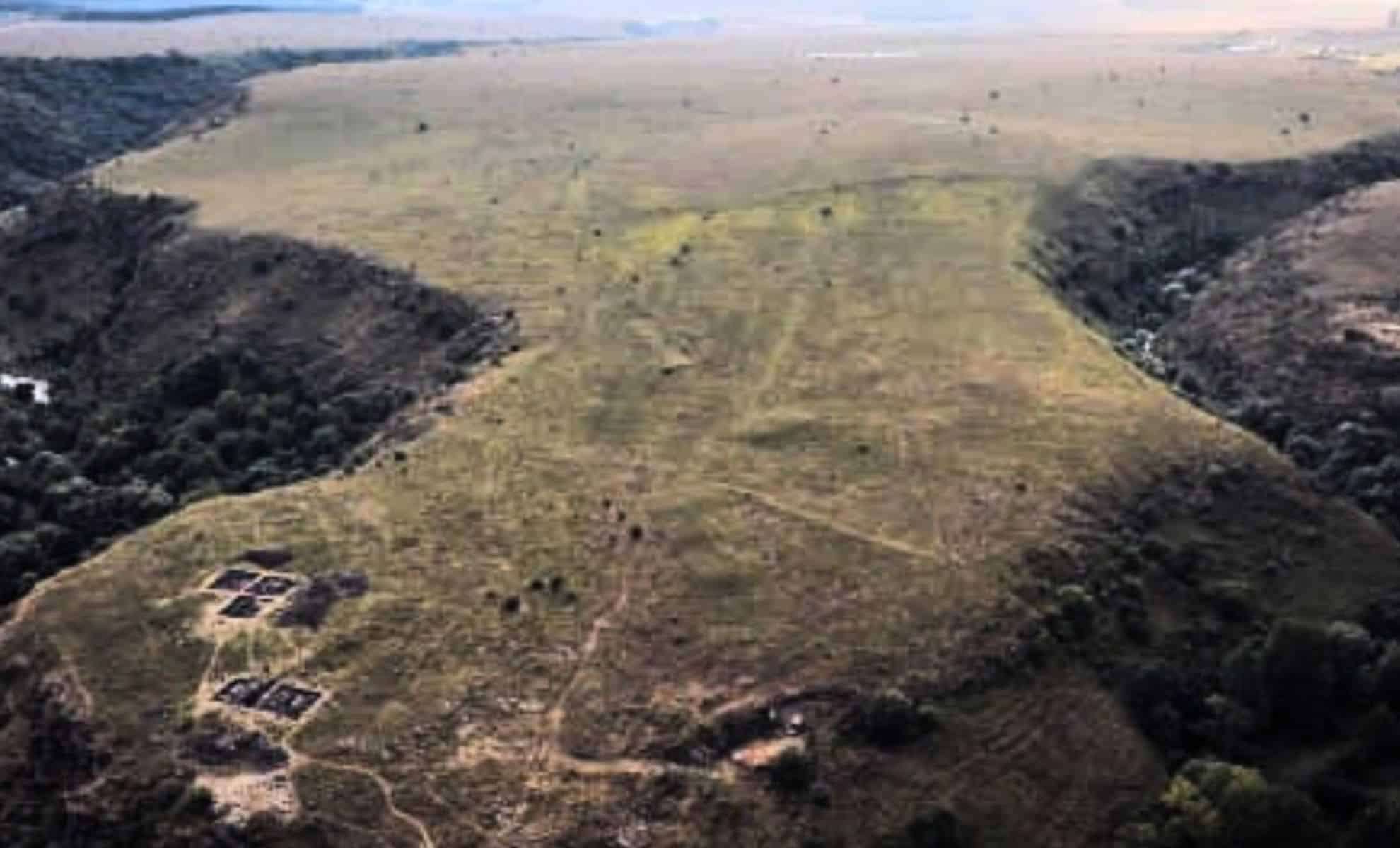
In a remarkable find nestled within the challenging terrain of the Caucasus Mountains, archaeologists have unveiled the expansive Dmanisis Gora, a 3,000-year-old defensive complex long hidden beneath dense woodland. Situated in southern Georgia, this ancient site reshapes our understanding of societal sophistication during the Late Bronze and Early Iron Ages in a region bridging Europe, the Eurasian Steppe, and the Middle East.
Drones Transform Archaeological Exploration at Dmanisis Gora
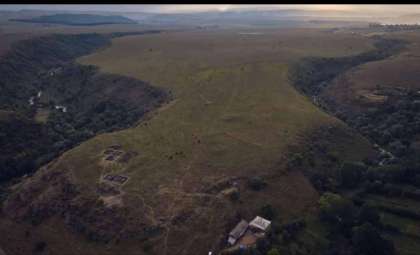
The breakthrough emerged from the use of a DJI Phantom 4 RTK drone, equipped for precise geospatial mapping with sub-two-centimeter accuracy. The effort, led by Dr. Nathaniel Erb-Satullo of Cranfield University’s Forensic Institute and Dimitri Jachvliani from the Georgian National Museum, involved flight campaigns capturing nearly 11,000 detailed photographs overhead.
Leveraging cutting-edge photogrammetry technology, these images were synthesized into intricate orthophotos and digital elevation models (DEMs), unveiling intricate landscape features missed by traditional surveys. This process distinguished ancient stone defensive works and architectural remains from modern alterations, with verification aided by overlaying declassified Cold War-era reconnaissance satellite imagery dated 1975.

Enormous Scale and Engineering of the Fortress
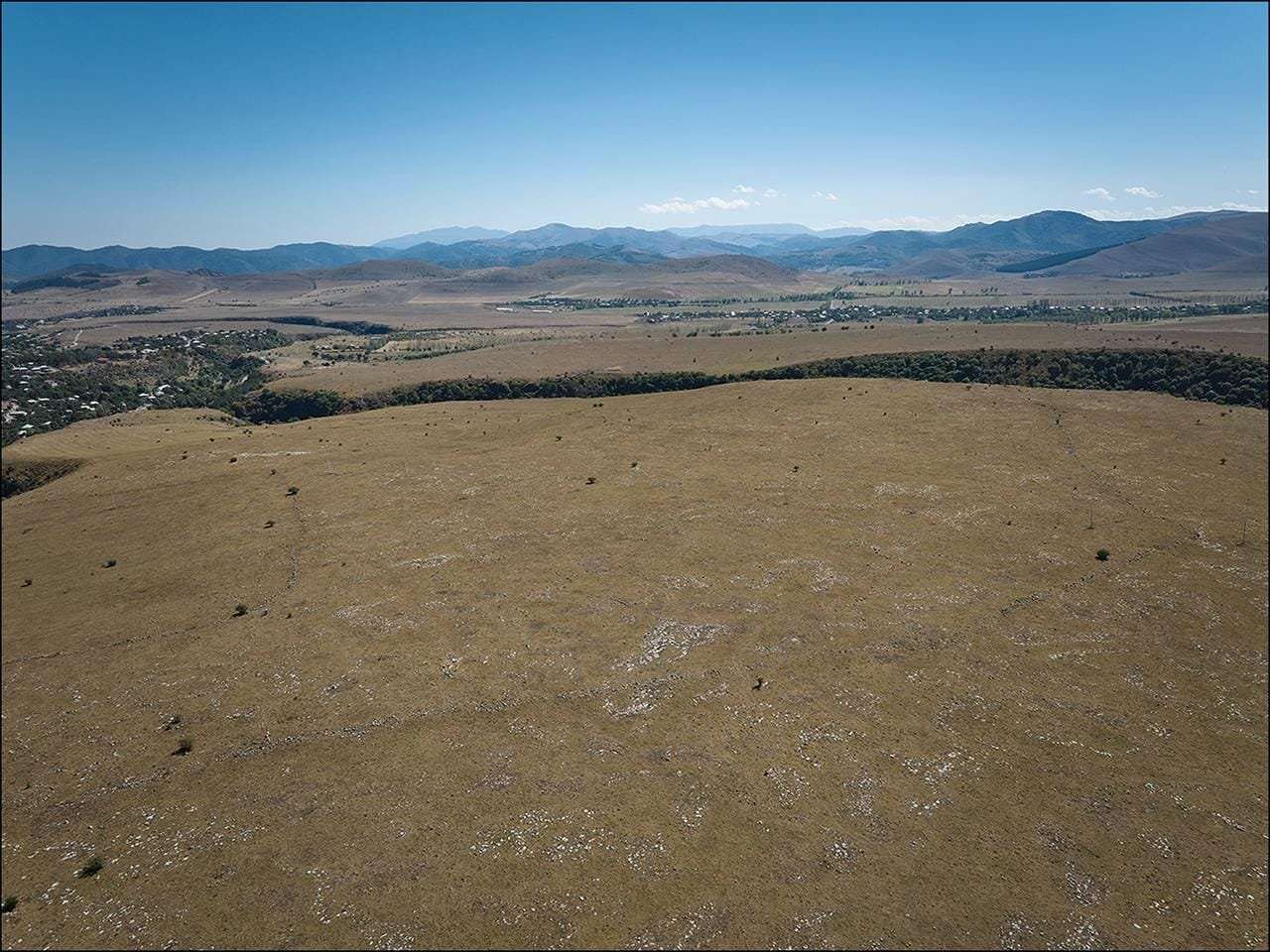
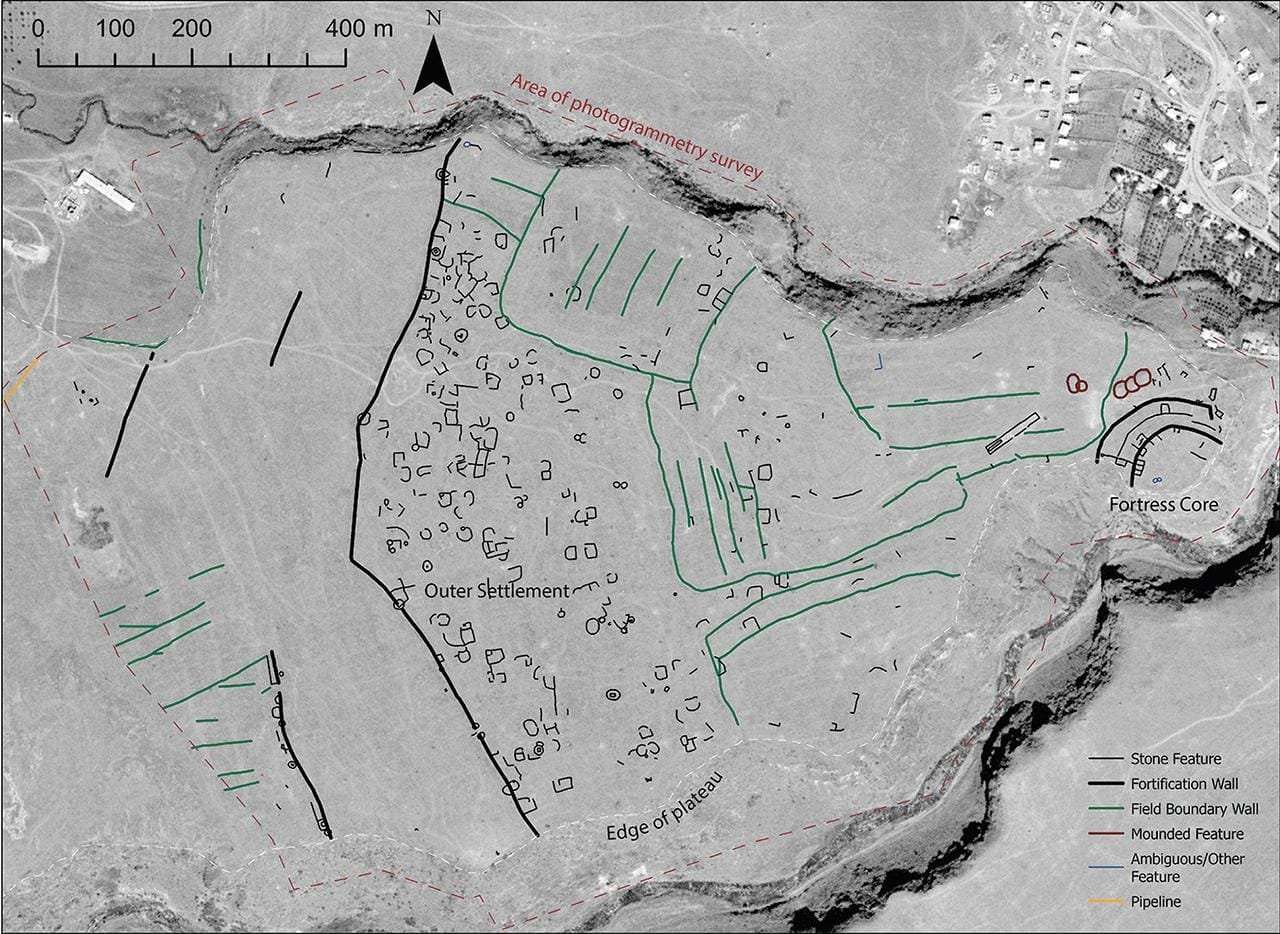
Previous on-site evaluations significantly underestimated the fortress's magnitude. The aerial data revealed that the entire complex and its associated habitation span roughly 80 hectares, making it over 40 times larger than earlier approximations.
- The central fortified area covers about 1.5 hectares, fortified with monumental cyclopean walls measuring between 2 to 2.5 meters thick.
- The perimeter defensive wall stretches roughly one kilometer, enclosing the extensive settlement zone.
- The structure was built using expertly arranged stone blocks without mortar, highlighting sophisticated construction methods for its time.
Strategically positioned between two steep gorges over 60 meters deep, the fortress benefited from natural terrain defenses complementing its robust walls.
Within the enclosure, distinct areas reflect a variety of functions:
- Living quarters pointing to semi-permanent habitation.
- Spaces designated for livestock, indicating a combined agricultural and pastoral economy.
- Round burial mounds, demonstrating well-established funerary customs.
- Terraces and irrigation systems that showcase advanced farming techniques.
A Crossroads of Cultures Demonstrating Durability and Innovation
Dmanisis Gora is situated at a unique intersection of cultural influences and geographical links, bridging:
- Western European traditions,
- The nomadic cultures of the northern and eastern Eurasian Steppes,
- And Middle Eastern civilizations from the south.
Archaeological evidence indicates a resilient community that endured through the widespread turmoil known as the Bronze Age Collapse.
Scientists propose that the growth of the settlement was shaped not only by a settled population but also by the seasonal arrival of mobile herder groups, reflecting a versatile lifestyle combining agriculture and pastoral nomadism.
This adaptive strategy likely contributed to the community’s sustained cultural persistence and economic stability amid environmental and political challenges.
Continuing Investigations and Emerging Perspectives
Ongoing digs at Dmanisis Gora have unearthed tens of thousands of artifacts such as:
- Fragments of pottery,
- Animal remains,
- Various tools and weaponry.
These elements provide valuable clues about everyday life, diet, and social frameworks. Research continues into:
- Settlement density and arrangement within the fortress,
- Patterns of animal husbandry and crop cultivation,
- Interactions between nomadic and settled peoples,
- Advancements in construction and defense mechanisms.
Merging drone technology with traditional fieldwork is revolutionizing landscape archaeology, offering detailed insights into how ancient Eurasian societies adapted and thrived through centuries of change.
- Categories:
- News




0 comments
Sign in to Comment