

Recent findings from a declassified geological study indicate that China may have access to an almost inexhaustible energy reservoir capable of meeting its power demands for tens of millennia. The country’s thorium deposits, already ranked among the largest globally, appear to be far more abundant than previously recognized.
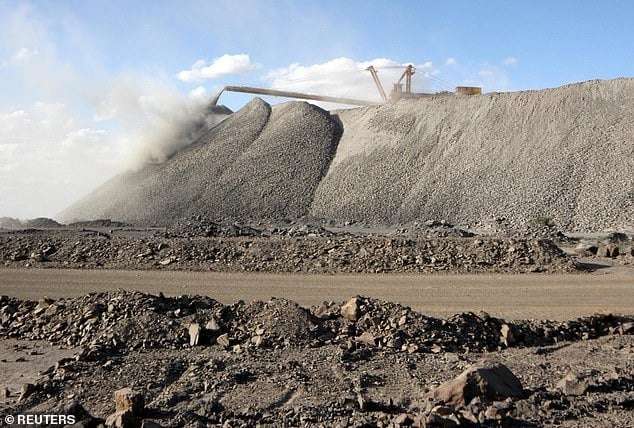
Experts suggest this radioactive element has the potential to revolutionize energy production by serving as a cleaner alternative to traditional fossil fuels and uranium-based nuclear energy. The focal point of this discovery is the Bayan Obo mining site in Inner Mongolia, a key rare earth mineral hub.
The survey highlights that waste material from iron ore mining in this area alone contains enough thorium to supply U.S. households with electricity for over a millennium. Projections estimate that if these deposits were fully tapped, China could maintain a reliable energy supply for as long as 60,000 years.

A Revolutionary Advancement for Nuclear Power
Thorium has been regarded for some time as a promising candidate for nuclear fuel. Compared to uranium, it generates less radioactive waste with longer half-lives and is notably more common in the Earth's crust.
The technology enabling thorium’s use hinges on molten salt reactors, which convert thorium into uranium-233—a fissile material that can sustain nuclear reactions. Unlike traditional uranium reactors, these molten salt systems function at reduced pressures, lowering the risk of severe accidents.
In 2021, China unveiled the world’s inaugural experimental thorium molten salt reactor (TMSR) in the Gobi Desert. This initiative tests the practicality of thorium energy and signifies a major stride toward bringing thorium power to commercial viability. Success in this endeavor could mean a safer, cleaner, and more sustainable nuclear energy future.
Thorium as a Substitute for Fossil Fuels?
Currently, coal remains China’s dominant energy source, representing over 55% of its total consumption. Shifting to thorium-based nuclear energy could drastically cut carbon emissions, reduce China's dependency on imported fossil fuels, and establish the nation as a pioneer in advanced nuclear technologies.
Nonetheless, challenges persist. The existing nuclear infrastructure is built around uranium fuel, so a comprehensive transition to thorium would require substantial investment in new facilities and technologies.
While molten salt reactors show significant promise, scaling them from experimental setups to widespread commercial power plants demands additional breakthroughs in engineering and research. The deep-rooted dominance of fossil fuels and conventional nuclear power also means a major strategic commitment is necessary to enable this shift.
Outlook on Thorium Power Development
China's abundant thorium reserves could mark one of the century’s most pivotal energy discoveries. The crucial question remains whether the country can develop and deploy the required technology to exploit them efficiently.
The next decade will be critical in determining whether thorium emerges as a dominant energy source or remains largely unused. Should China succeed in refining molten salt reactor technology, this development has the potential to transform the global energy scene by presenting a viable alternative to fossil fuels and reshaping nuclear power’s future.
- Categories:
- News













0 comments
Sign in to Comment