
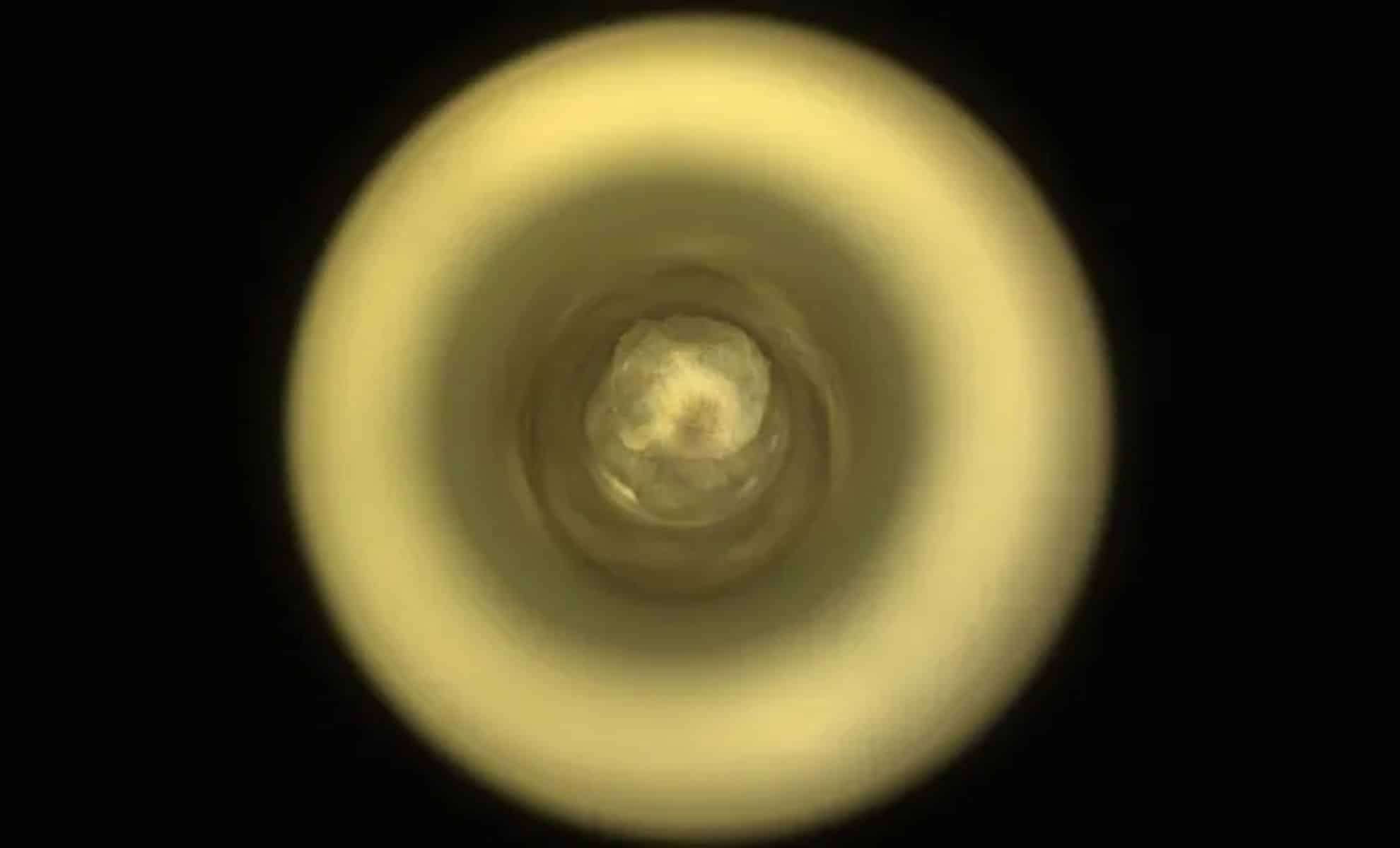
NASA’s Perseverance rover has identified a unique rock formation on Mars unlike anything previously encountered, offering an extraordinary window into the planet’s ancient environment. This remarkable finding was made within Jezero Crater, a location once dominated by a vast river delta that may have harbored flowing water billions of years ago. Experts have long speculated that this region preserves some of Mars’ most pristine geological evidence from its distant past.
The newest sample, called “Silver Mountain”, is raising new scientific inquiries about Mars’ formative period. Distinct from the rover’s prior collections, this discovery is already regarded as one of the most valuable Martian specimens obtained to date. Researchers at NASA anticipate it could reveal crucial information regarding the planet’s origin, development, and possibilities for ancient life.
An Extraordinary Geological Find
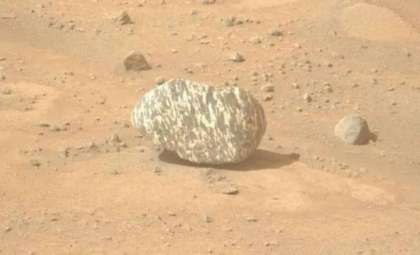
NASA reports that Silver Mountain represents the rover’s 26th sample, notable for its uncommon texture and chemical makeup. Perseverance itself highlighted the importance of this find with a tweet, explaining: “My 26th sample, known as ‘Silver Mountain,’ has textures unlike anything we’ve seen before.”

Scientists propose that these rocks might not just be ordinary Martian fragments. Instead, they could be remnants of Mars’ primordial crust that have survived in an unaltered state for billions of years. Should this be verified, Silver Mountain would rank among the solar system’s oldest known rocks.
This breakthrough is particularly enticing because Earth and Mars formed during the same early period of the solar system. Studying such ancient Martian material promises to deepen our understanding of how rocky planets develop. NASA’s Jet Propulsion Laboratory referred to these stones as providing “a rare window into Mars’ deep past.”
Implications for Understanding Mars’ Early Environment
If the sample truly represents the original Martian crust, it could lead scientists to reconsider current theories about the planet’s earliest geological era. Approximately four billion years ago, known as the Noachian epoch, Mars endured intense asteroid bombardments, volcanic activity, and perhaps vast surface water bodies. Discovering intact material from this turbulent period is exceedingly rare, lending exceptional value to this sample.
Presently, Mars is a cold and desolate planet, but its ancient environment might have been far more hospitable. Some experts speculate that during the Noachian era, Mars featured a dense atmosphere and stable liquid water on its surface, possibly supporting microbial ecosystems. Detecting signs of previous water-rock interactions in Silver Mountain could offer compelling clues that Mars once sustained life-friendly conditions.
Obstacles to Bringing Mars’ Precious Sample Back Home
Despite the excitement surrounding Silver Mountain, the greatest hurdle ahead is safely returning it to Earth for comprehensive examination. NASA’s Mars Sample Return (MSR) mission aims to retrieve Perseverance’s stored samples, but the project has encountered significant financial and scheduling setbacks. Currently estimated to cost over $11 billion, the sample return has been postponed to 2040 or beyond.
Ongoing delays increase the risk that some of Mars’ most extraordinary material might remain on the planet for decades. Meanwhile, China is advancing its own Mars sample return mission, targeting a 2031 timeframe, potentially becoming the first to retrieve physical Martian rocks.
Future Prospects for Perseverance Exploration
Despite challenges, Perseverance continues its quest to investigate Jezero Crater, hunting for additional clues about Mars’ ancient history. With 26 samples collected so far, each new discovery adds important context to the story of the Red Planet’s evolution.
NASA remains optimistic about devising a more affordable and timely sample return strategy so Earth laboratories can one day analyze Silver Mountain alongside other invaluable specimens from the rover.
Meanwhile, this landmark discovery underscores that Mars still harbors many mysteries beneath its surface. With every step forward, we move closer to resolving one of humanity’s greatest questions: Did life ever exist on Mars?






0 comments
Sign in to Comment