
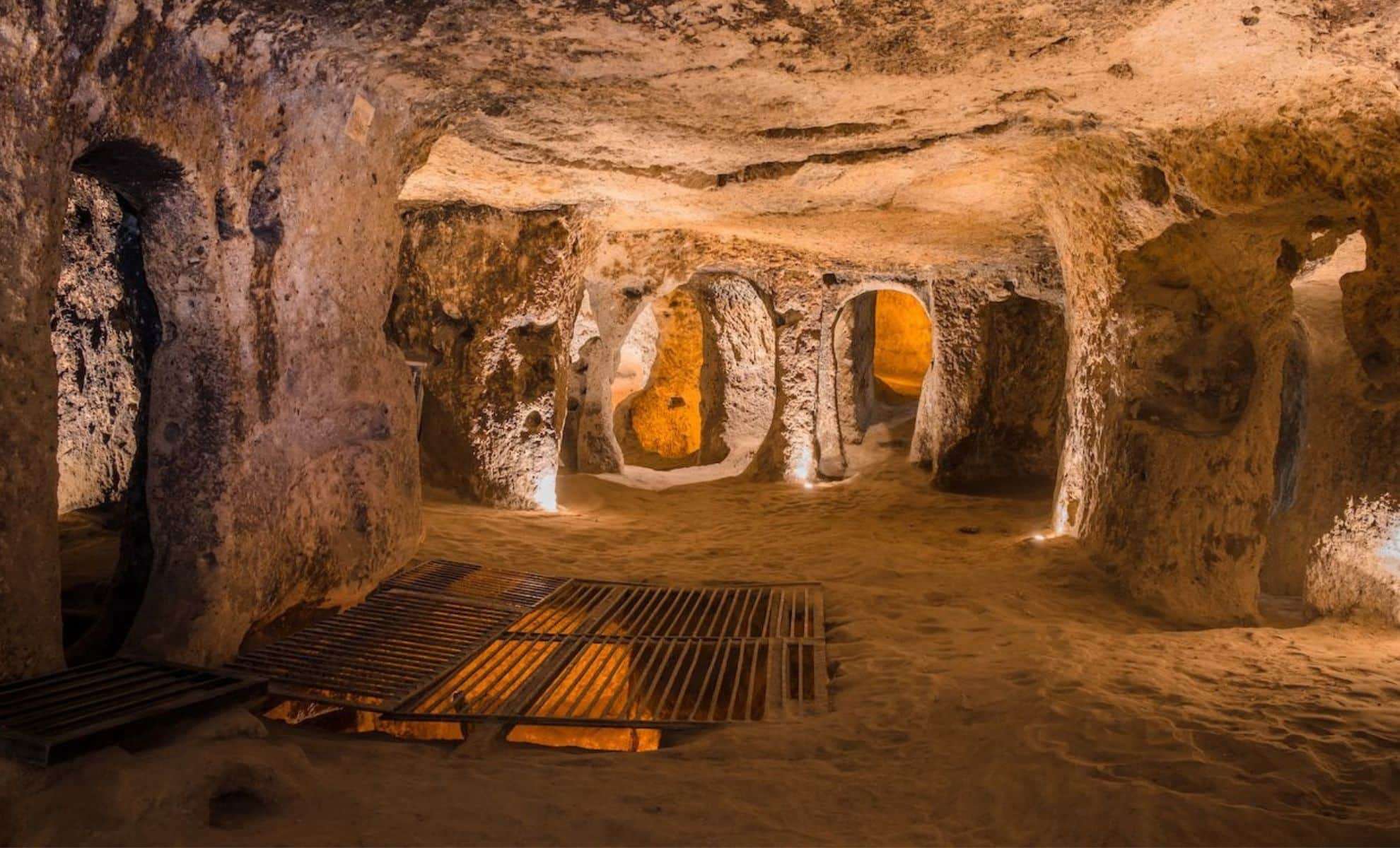
Archaeologists have unveiled a remarkable structure buried beneath a pyramid in Egypt, potentially rewriting what we know about early civilizations. This maze-like complex, featuring about 3,000 chambers and numerous corridors, matches descriptions from ancient scholars like Herodotus.
Historical Texts Refer to an Enormous Labyrinth
Curiosity about the concealed labyrinth near the Hawara pyramid has lingered for centuries. The 5th-century BCE historian Herodotus chronicled a grand structure comprising 3,000 rooms both above ground and below.
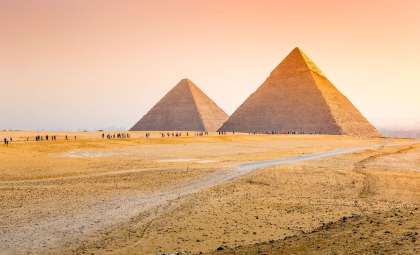
According to Herodotus, this labyrinth outshone the pyramids in size and complexity, although he was only granted access to the upper chambers, with subterranean levels remaining off-limits.

His detailed narrative highlights an extraordinary architectural accomplishment, marked by intricate passageways that intrigued ancient visitors.
Despite his vivid account, tangible proof of the underground network remained elusive—until modern technological methods came into play.
The application of innovative tools like satellite imagery and ground-penetrating radar are now enabling experts to peer beneath the surface and explore the hidden depths.
Recent Investigations Reshape the Ancient Enigma
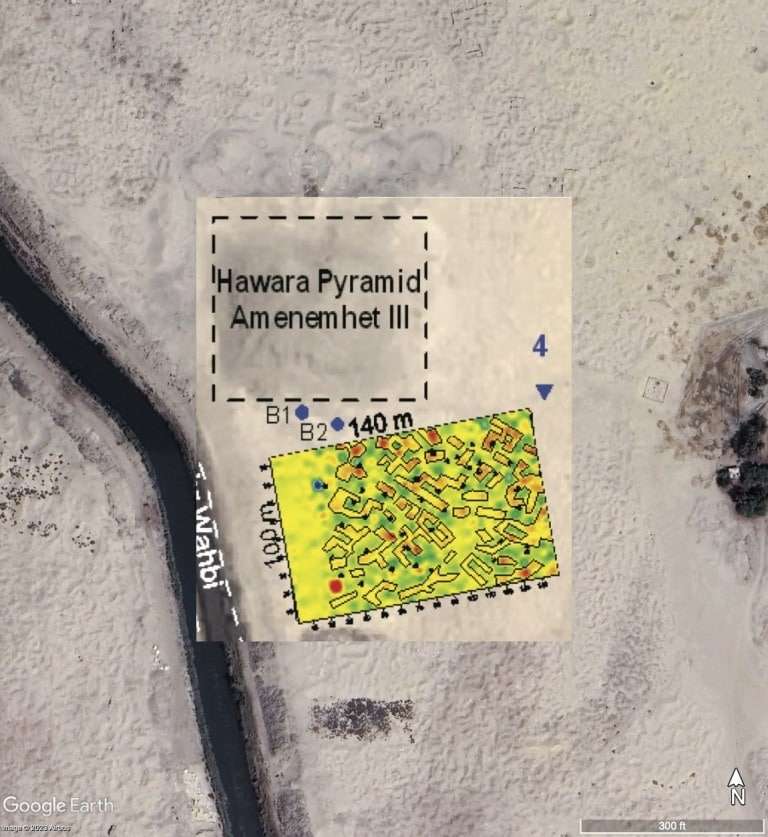
In 2023, a significant study titled “The Labyrinth, The Colossi, And The Lake” presented compelling evidence for underground chambers at the Hawara site.
The results correspond closely with Herodotus’s accounts, suggesting the labyrinth may date back far earlier than previously recognized.
By utilizing radar technology and satellite reconnaissance, scientists identified subterranean irregularities that might be remnants of the labyrinth’s mysterious corridors.
Though encouraging, these findings have sparked debate among scholars, with some urging careful interpretation and others confident these tools will finally confirm the labyrinth’s existence.
Herodotus’s Testimony and Historical Excavations
Herodotus’s vivid descriptions have served as a cornerstone in the quest to find the labyrinth. He detailed a network consisting of chambers above and beneath the earth.
The underground portion, in his words, was even more impressive, though off-limits. He famously considered the labyrinth to be “greater than the pyramids” in magnitude. However, verifying this claim has long eluded archaeologists.
During the late 1800s, Sir Flinders Petrie discovered what he thought were labyrinth foundations, but his results were inconclusive due to the technology of the time. Despite these early efforts, conclusive proof remained out of reach.
Cutting-Edge Technology Illuminates Ancient Mysteries
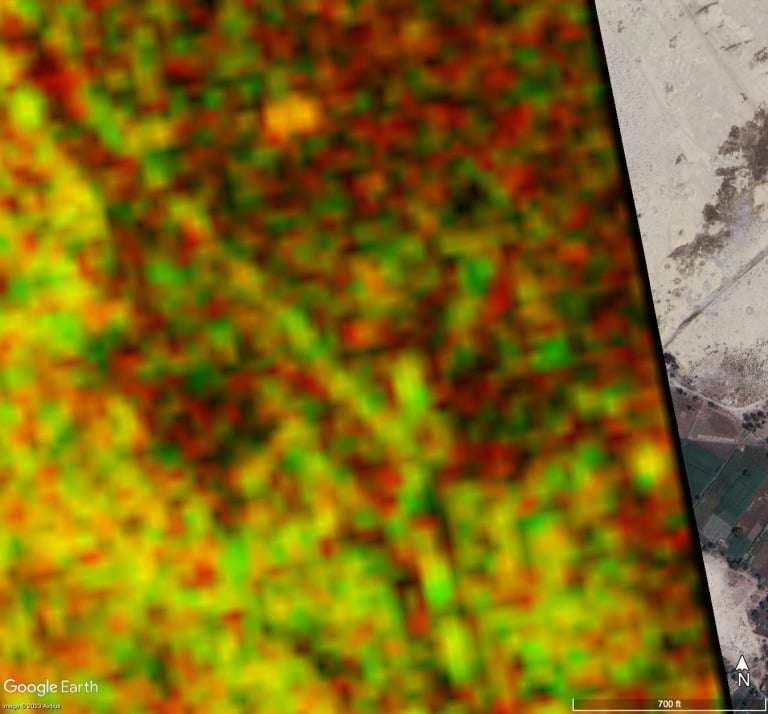
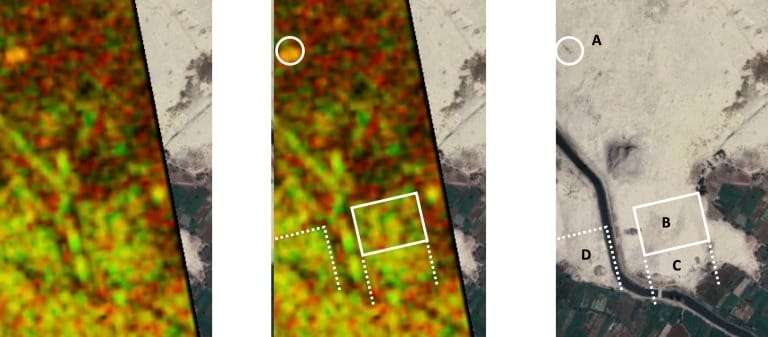
Recent advancements like satellite radar and electromagnetic field surveys have been pivotal in unraveling the labyrinth’s secrets. These techniques, unavailable until recently, allow researchers to detect underground structures around Hawara.
Data gathered from a 2008 electromagnetic survey highlighted subterranean outlines resembling walls, hinting at a mortuary complex or perhaps previously unseen parts of the historic labyrinth.
New 3D models depict two subterranean layers beneath the pyramid of Amenemhet III, lending further credibility to the existence of this long-rumored labyrinth.
- Categories:
- News






0 comments
Sign in to Comment