
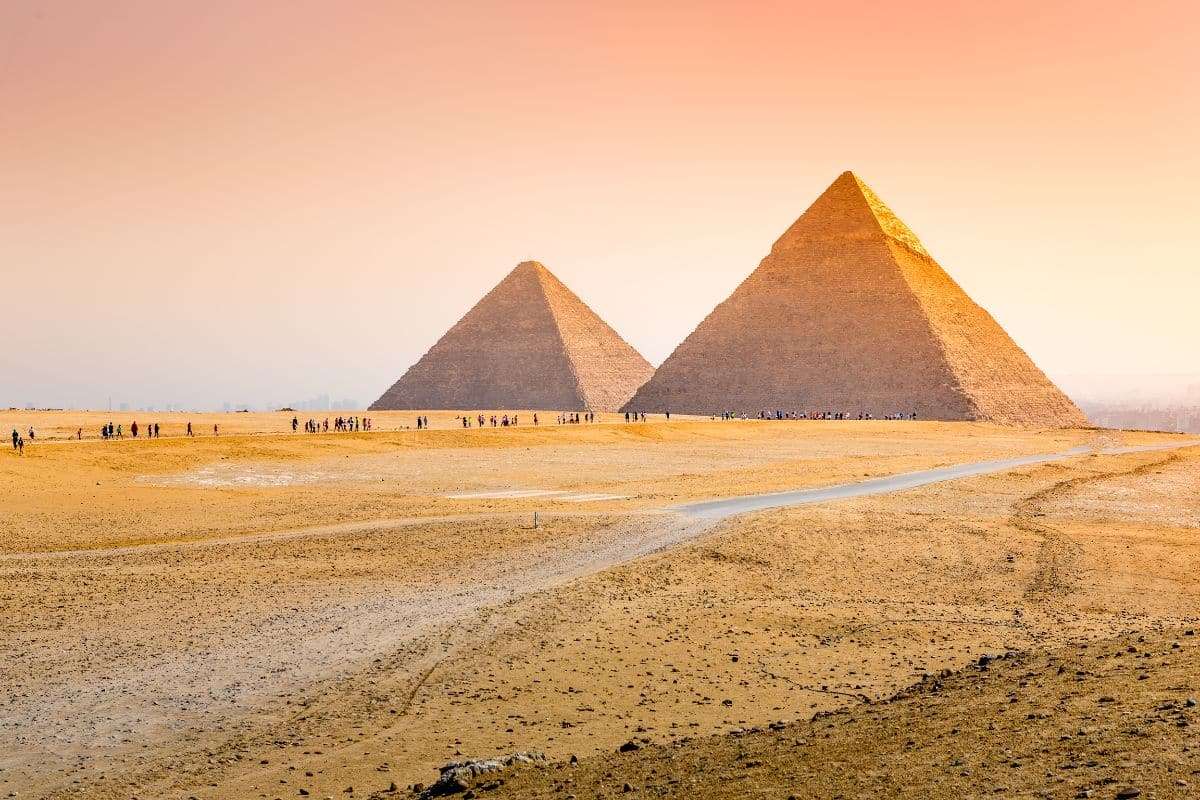
In late July 2024, a 15-meter-tall pyramid at the Ihuatzio archaeological site in western Mexico partially collapsed following months of extreme drought compounded by heavy rains. This significant monument, representing the P’urhépecha culture, now faces critical restoration challenges as concerns rise about how climate change is endangering ancient landmarks.
Extreme Weather Takes Its Toll on Historic Structure
After relentless rainfall drenched Michoacán on July 29, the south face of the pyramid at Ihuatzio gave way, crumbling dramatically.
The National Institute of Anthropology and History (INAH) reported significant damage: six stepped levels, including the core, retaining wall, and exterior surface, have been compromised. This collapse came on the heels of Mexico’s worst drought in three decades, followed by an intense rainy season that weakened the already vulnerable structure.

Over a Millennium of History Lost Overnight
Science Alert notes that Ihuatzio, meaning “land of the coyotes” in Nahuatl, dates back more than 1,100 years. It was established by indigenous peoples before becoming a key center of the P’urhépecha Empire, notable for resisting Aztec domination. Their rich legacy still thrives in the region today.
The fallen pyramid was among the most intact structures at the site, which also includes a second pyramid, a military-style tower, and burial chambers. It symbolized the resilient indigenous history of central Mexico.
Global Threats to Archaeological Treasures Intensify
This event mirrors a worldwide trend where climate change increasingly endangers cultural landmarks. Fluctuating weather, rising heat, and more frequent storms are destabilizing heritage sites from Europe to the Pacific Islands.
The INAH official statement explained, “Prolonged heat and drought created fissures allowing water to penetrate the interior of the pre-Hispanic structure.” This combination of wear and sudden moisture infiltration ultimately caused the collapse.
A Tragic Loss with Spiritual Resonance
For the local P’urhépecha community, the incident carries deeper spiritual connotations. Tariakuiri Alvarez remarked on the event’s significance: “Before the arrival of foreign conquerors in Mexico, something similar happened, and it was because the gods were displeased.” This view reflects ancestral beliefs interpreting natural calamities as divine warnings.
Preservation Efforts Gain Momentum
Restoration specialists from INAH are now working to secure the remaining portions of the pyramid to stop further damage. The incident has intensified discussions about the susceptibility of historic monuments in the face of human-driven climate change.
This situation stresses the urgency of enhanced protective measures, continuous monitoring, and increased funding to preserve vulnerable sites. Experts warn that without adaptive conservation approaches, other cultural landmarks may soon experience similar deterioration.
Only days before the collapse at Ihuatzio, Utah’s renowned Double Arch also suffered from erosion and altered water flows. These recent losses highlight a sobering reality: ancient wonders, shaped by millennia of endurance, are now vulnerable to rapid environmental change.
- Categories:
- News







0 comments
Sign in to Comment