
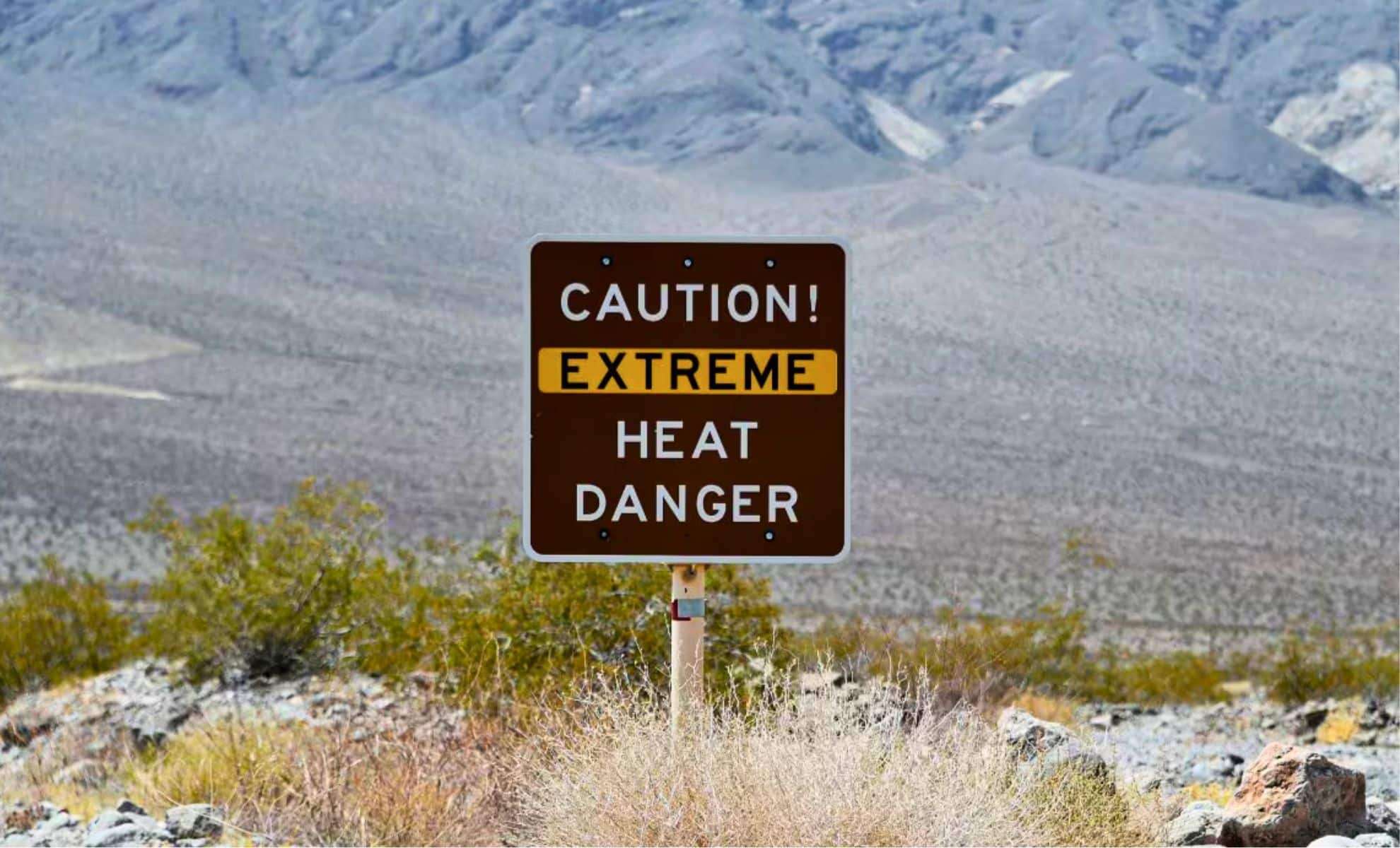
A severe heatwave is set to engulf the Western United States this week, pushing temperatures even higher amid an already scorching summer. States including Southern California, Arizona, and Nevada are preparing for some of the fiercest heat of the season, with millions living under heat alerts. The National Weather Service (NWS) forecasts the most intense heat from Wednesday through the weekend.
Forecast Predicts Record-Breaking Temperatures Across the West
In Los Angeles, thermometers are expected to climb near 100°F (37.7°C), while areas inland could confront heat approaching 110°F (43.3°C) or more. The NWS cautioned about “dangerously high temperatures”, with readings between 95°F and 110°F (35°C to 43°C) especially on Thursday and Friday. The warm nights will provide minimal relief from the daytime heat.
Desert locations like Palm Springs might endure multiple consecutive days exceeding 110°F (43.3°C). Meanwhile, Death Valley, already experiencing its warmest summer on record, could see temperatures reach up to 118°F (47.7°C) by the end of the week.

Heat Advisory in effect NOW until 6 PM today for San Francisco, especially along the Bay Shore and the Mission District. #CAwx pic.twitter.com/qGJQBRxKWu
— NWS Bay Area 🌉 (@NWSBayArea) September 3, 2024
Even usually cooler areas such as San Francisco are set to experience unusually high temperatures, with forecasts showing increases of at least 13°F above typical highs. This led the NWS to declare a heat advisory for the region.
“This heatwave is expected to last about four days, and it’s hotter and longer than many of the others we’ve seen.” Meteorologist Mike Wofford explained to the Los Angeles Times.
Setting New Summer Heat Benchmarks
The ongoing heatwave compounds what has already been a punishing summer. In July, California faced record-setting temperatures statewide, averaging 81.7°F (27.6°C). Multiple cities recorded extended spells surpassing 100°F (38°C), shattering previous high-temperature records during that month.
Other Southwestern states are confronting similar extremes. Las Vegas experienced its hottest July ever, including a day hitting a record 120°F (48.8°C). Phoenix, Arizona, recently marked its 100th straight day with temperatures above 100°F (38°C), eclipsing a record from the 1990s.
Rising Wildfire Threat Amid Intense Heat
The combination of extreme heat and dry fuels left over from a wet winter has created prime conditions for wildfire outbreaks. The current fire season is already severe, with Oregon facing its most destructive year yet, having lost almost 1.5 million acres by mid-August.
Fires remain active across the Western states, spanning from Washington down to Arizona. California continues efforts to control the Park Fire, one of the state's largest recorded fires, which has been burning since mid-July and is now nearing full containment.
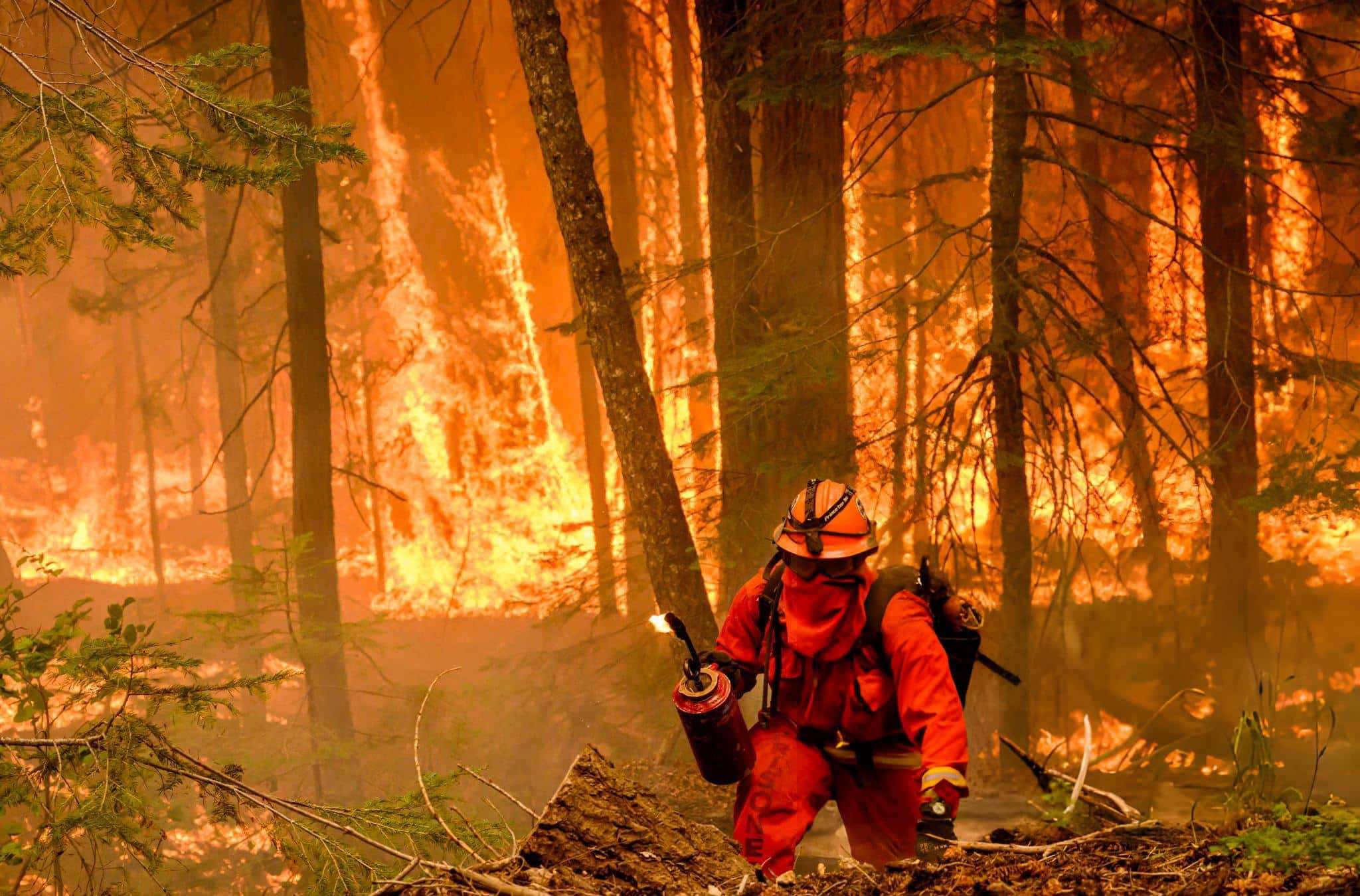
Though temperatures briefly eased in recent weeks, fire officials remain vigilant about wildfire threats extending into the fall months. Dan Mallia, a firefighter with a specialized U.S. Forest Service unit, described the ongoing challenges.
“We’re halfway through the season, and it’s been an extremely demanding period,” he told The Guardian. “With three months still ahead, the toll—both mental and physical—is significant.”
With the heatwave continuing, experts caution that fire dangers will stay elevated, intensifying the risks faced by millions across the Western U.S.
- Categories:
- News ,
- Climate change











0 comments
Sign in to Comment