
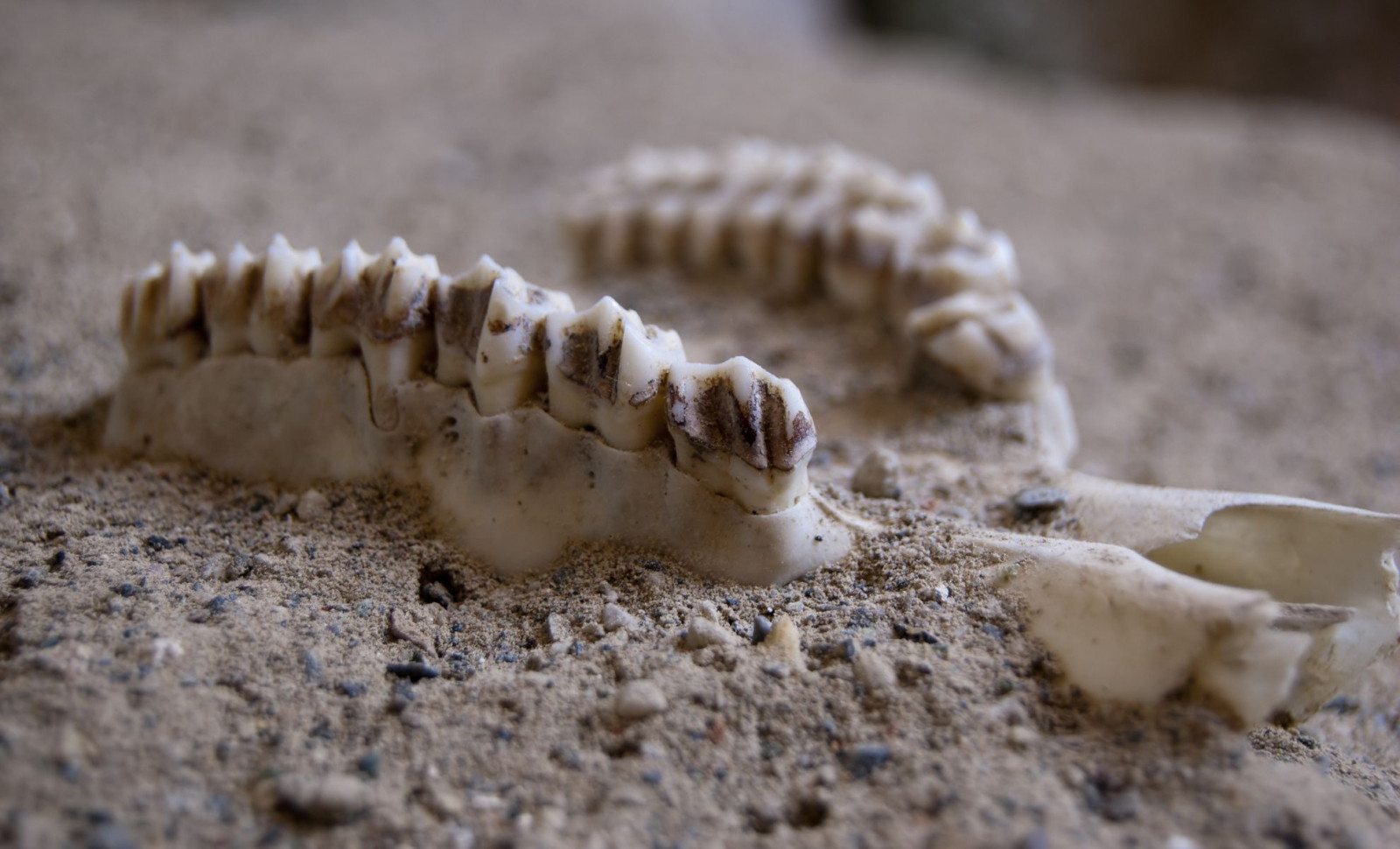
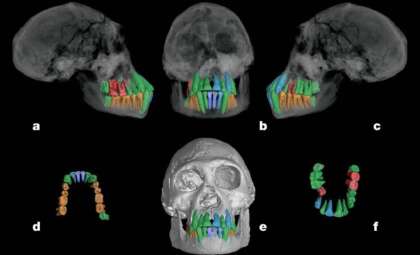
Researchers analyzed six ancient teeth uncovered in China, uncovering new insights into human evolution's deep mysteries. By studying preserved proteins within these fossils, the team uncovered evidence suggesting Homo erectus may have had contact with Denisovans hundreds of thousands of years ago.
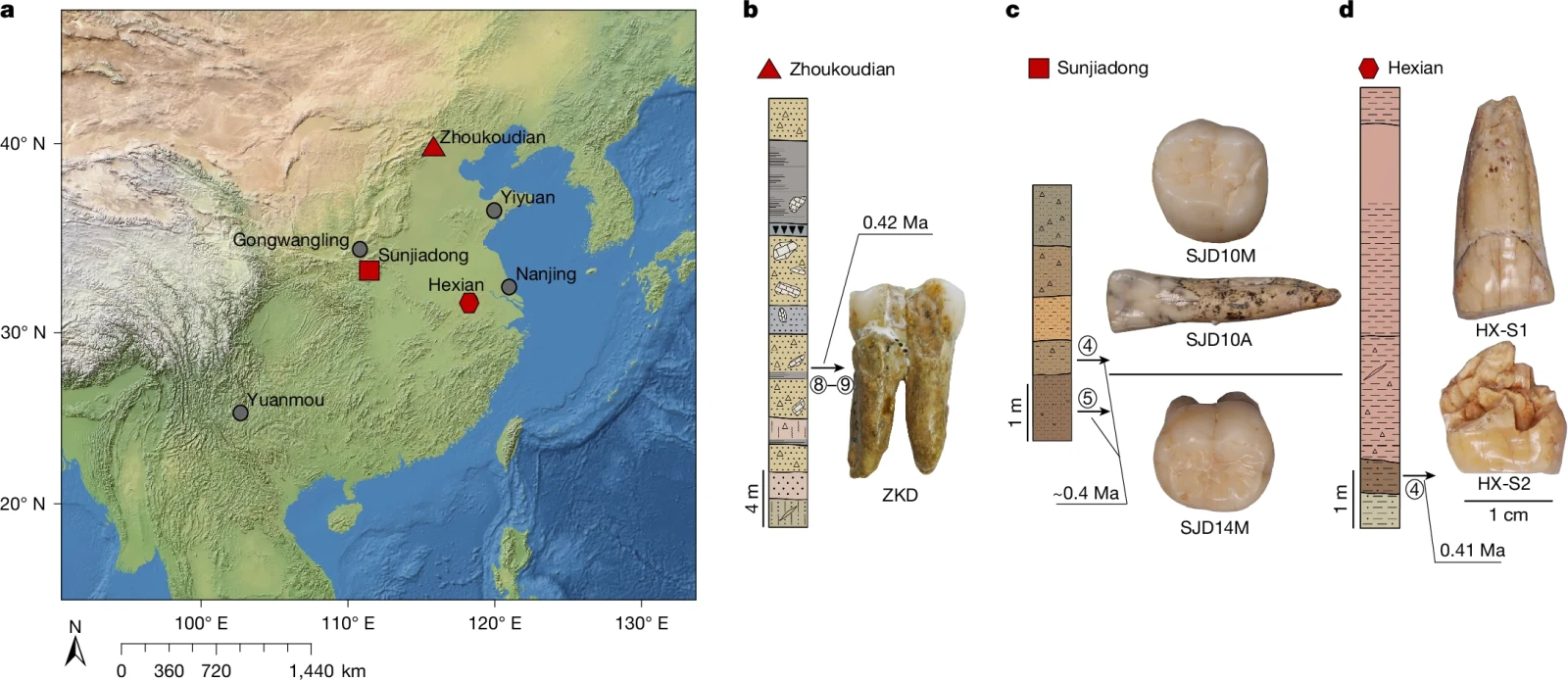
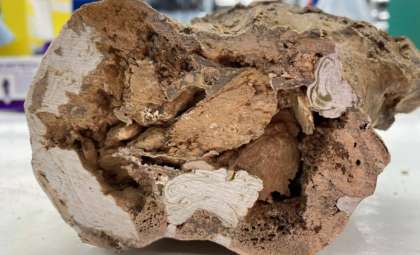
The teeth, dating to approximately 400,000 years ago, were found at the archaeological sites of Zhoukoudian, Hexian, and Sunjiadong. Documented in a Nature publication, this research represents one of the rare occasions where ancient protein extraction from fossils yielded significant data.
Despite many fossil discoveries, the nature of interactions between Homo erectus and other archaic humans remains elusive. Ancient DNA seldom endures in specimens this old, particularly from warmer climates. Proteins, on the other hand, can persist much longer, making this protein-focused approach especially valuable.

Discovery of Two Distinct Protein Variants
The investigation, led by Qiaomei Fu from Beijing’s Institute of Vertebrate Paleontology and Paleoanthropology, extracted proteins from six teeth attributed to Homo erectus. The report in Nature noted that five teeth were linked to males and one to a female.
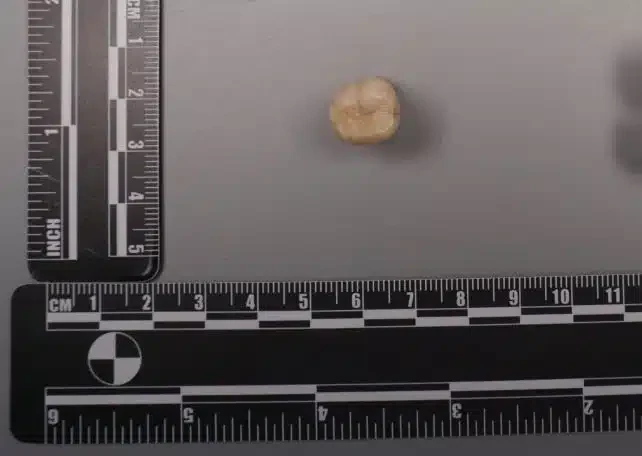
Two protein variants were detected consistently across all six samples. One variant had never been observed before in any human lineage, implying it might be exclusive to Homo erectus. The second variant was surprising as it matched a protein already found in Denisovan remains, which is crucial given that Denisovans carry DNA from an ancient lineage of unclear origin.
The researchers suggest that these novel protein markers might link Homo erectus to the mysterious ancestral input found in Denisovans. The fossils come from well-known Homo erectus sites in China, although the isolated nature of the teeth means no complete skeletons were associated, complicating interpretations.
Questions Surrounding Fossil Attribution to Homo Erectus
John Hawks, a paleoanthropologist at the University of Wisconsin-Madison, stresses remaining uncertainties about the fossils. These teeth were discovered detached from skulls or full skeletons, complicating their precise identification.
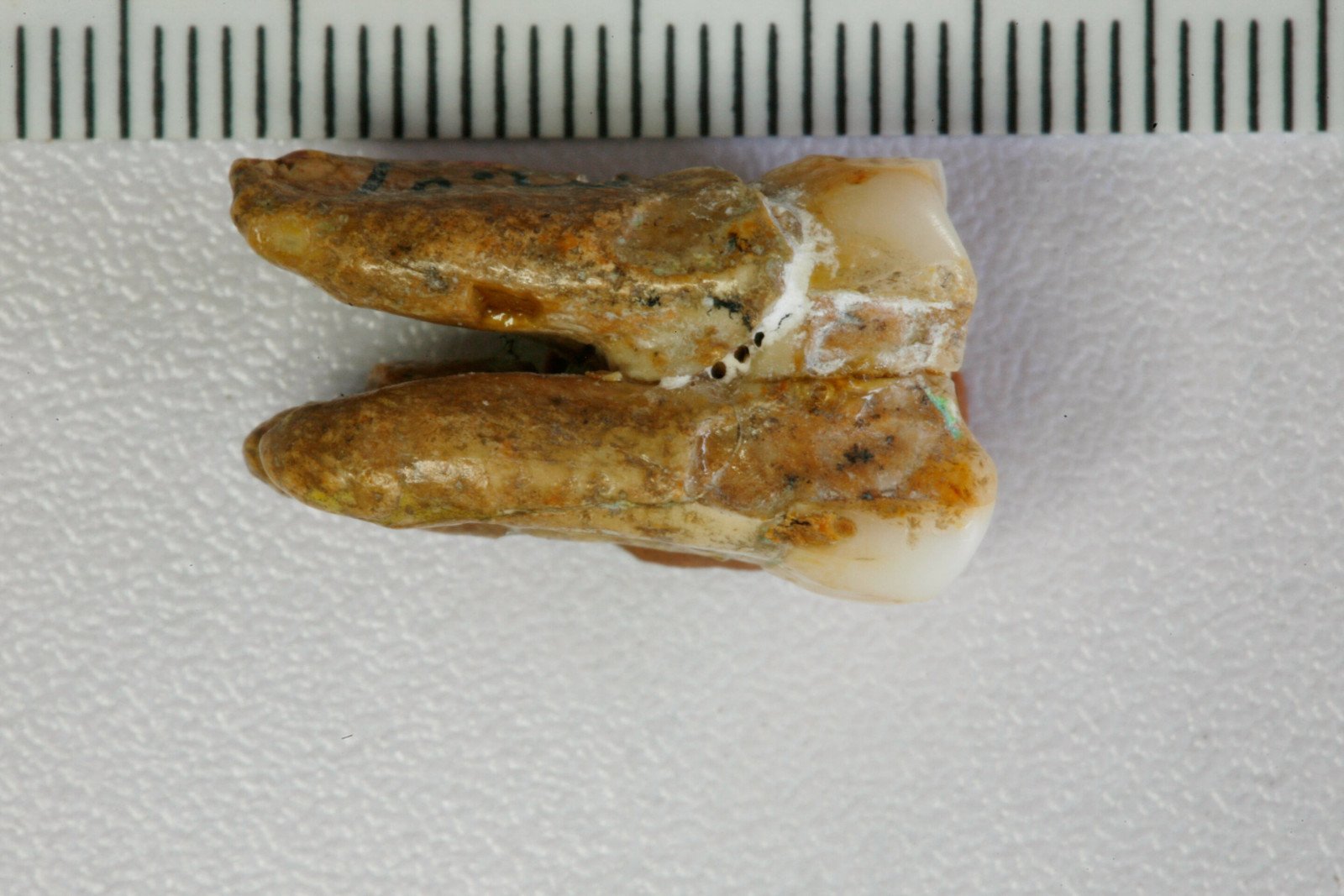
Hawks also noted that these teeth do not closely resemble the classic Homo erectus samples previously found in China. The data allow multiple interpretations: the teeth might be from Homo erectus and display signs of interbreeding with Denisovans; alternatively, they could represent Denisovan individuals with distinct protein variations within their group.
Hawks also proposed a third possibility—that these fossils are from Denisovans who had previously inherited genetic traits from early contact with Homo erectus populations.
“The data can’t distinguish” between these interpretations, Hawks said while discussing the study’s conclusions.
He added that comparing the teeth to older Homo erectus finds in China is difficult, as most of those specimens date back over a million years, much older than these.
Emerging Potential of Ancient Protein Analysis
This research also emphasizes the swift advancements in ancient protein studies. A few years ago, proteins were recovered from a Homo erectus tooth found in Dmanisi, Georgia, though that investigation offered limited insights into evolution. As reported by another study led by Frido Welker at the University of Copenhagen, this earlier work mainly confirmed that proteins could persist in such ancient fossils.
Ryan McRae, a paleoanthropology specialist at the Smithsonian, praised the findings for demonstrating how molecular techniques are revolutionizing our understanding of human origins.
This traces who we are now back to our ancestors in a really cool and exciting way, using new methods.”
More fossils and molecular data are necessary before definitive conclusions can be made. As Qiaomei Fu emphasized:
“We really need to get more DNA,” and additional Homo erectus remains will be needed to determine how closely this species was connected to other ancient humans.
- Categories:
- Science





0 comments
Sign in to Comment