
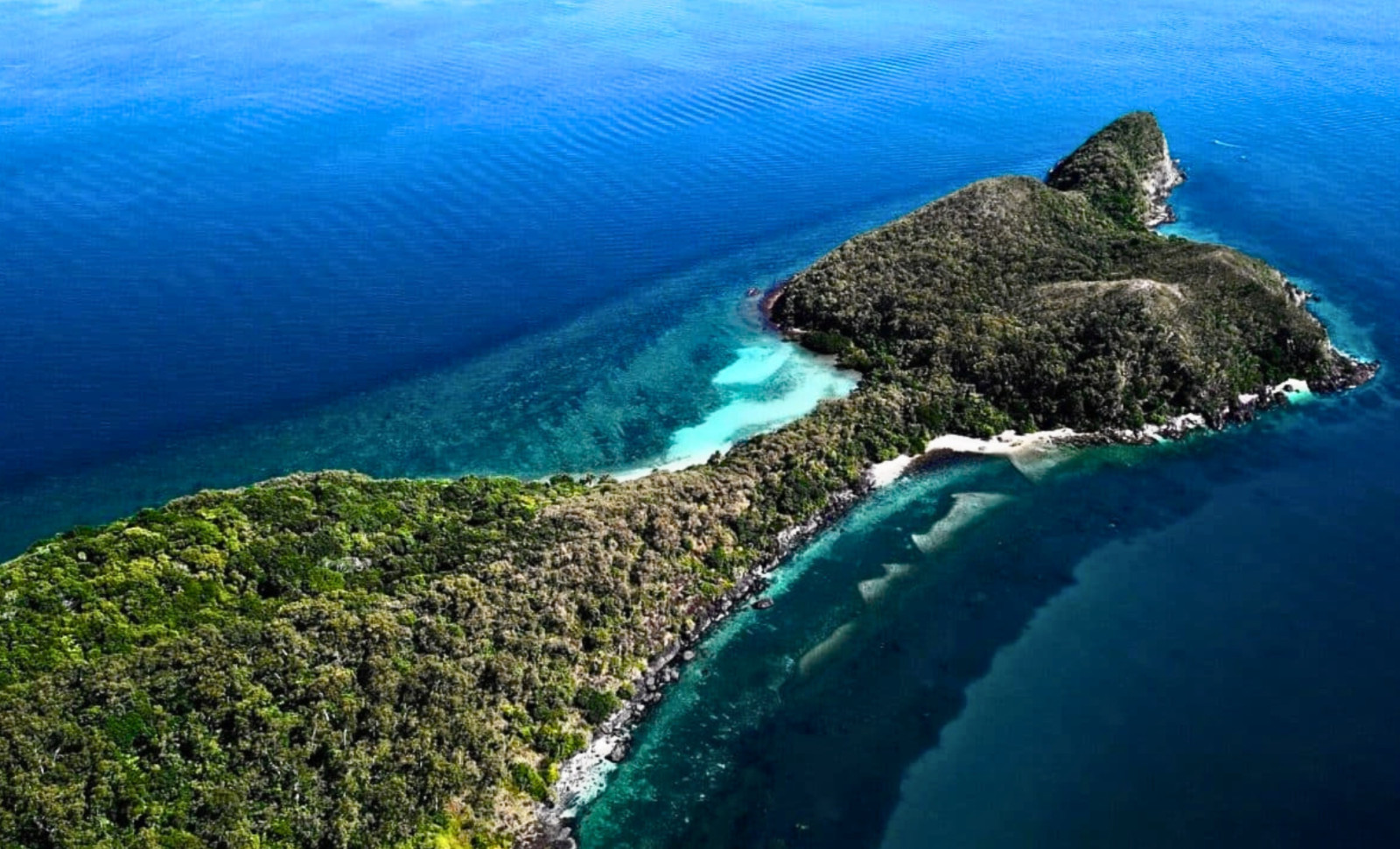
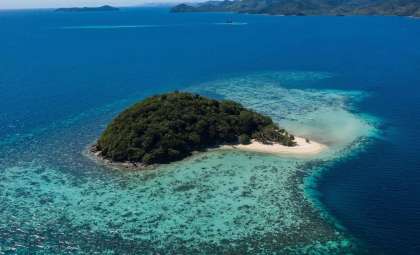
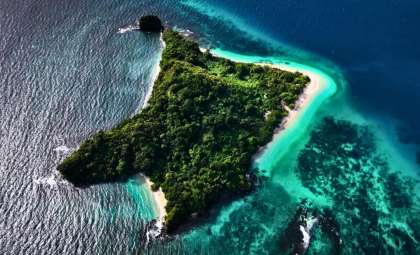
Hidden beneath the waves off Brazil’s coast lies an immense seafloor plateau that was once a lush tropical island rich in red soil and vibrant plant life. This revelation has sparked intense interest due to the area's potential deposits of minerals vital for electric vehicle battery production.
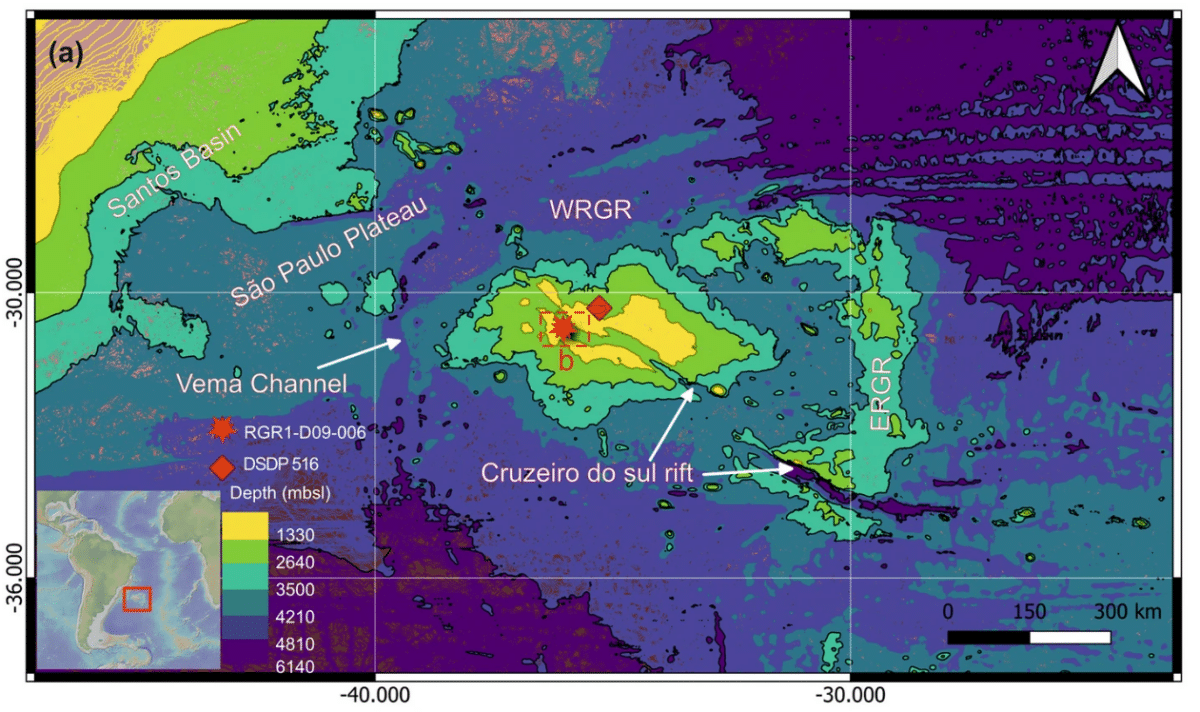
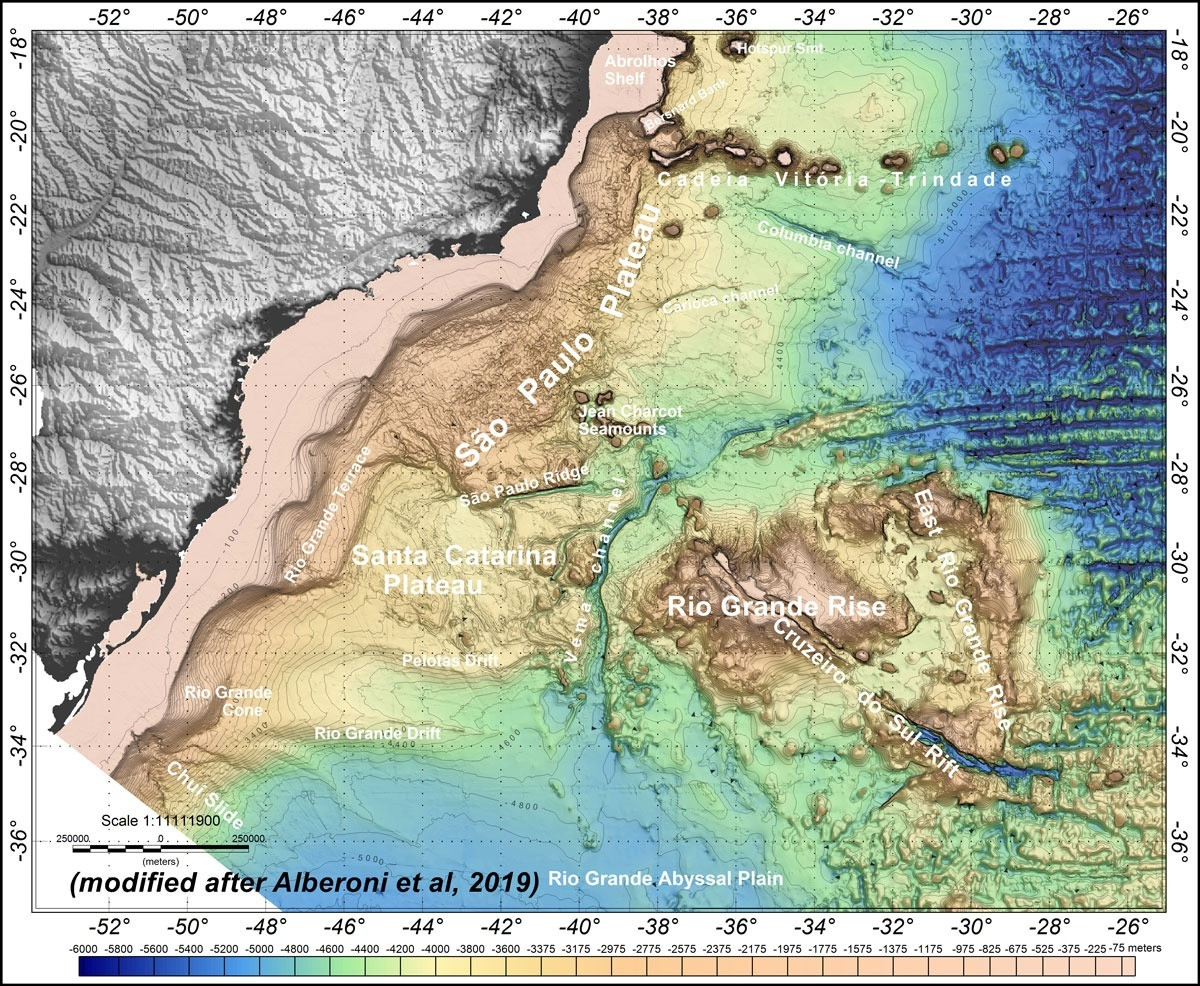
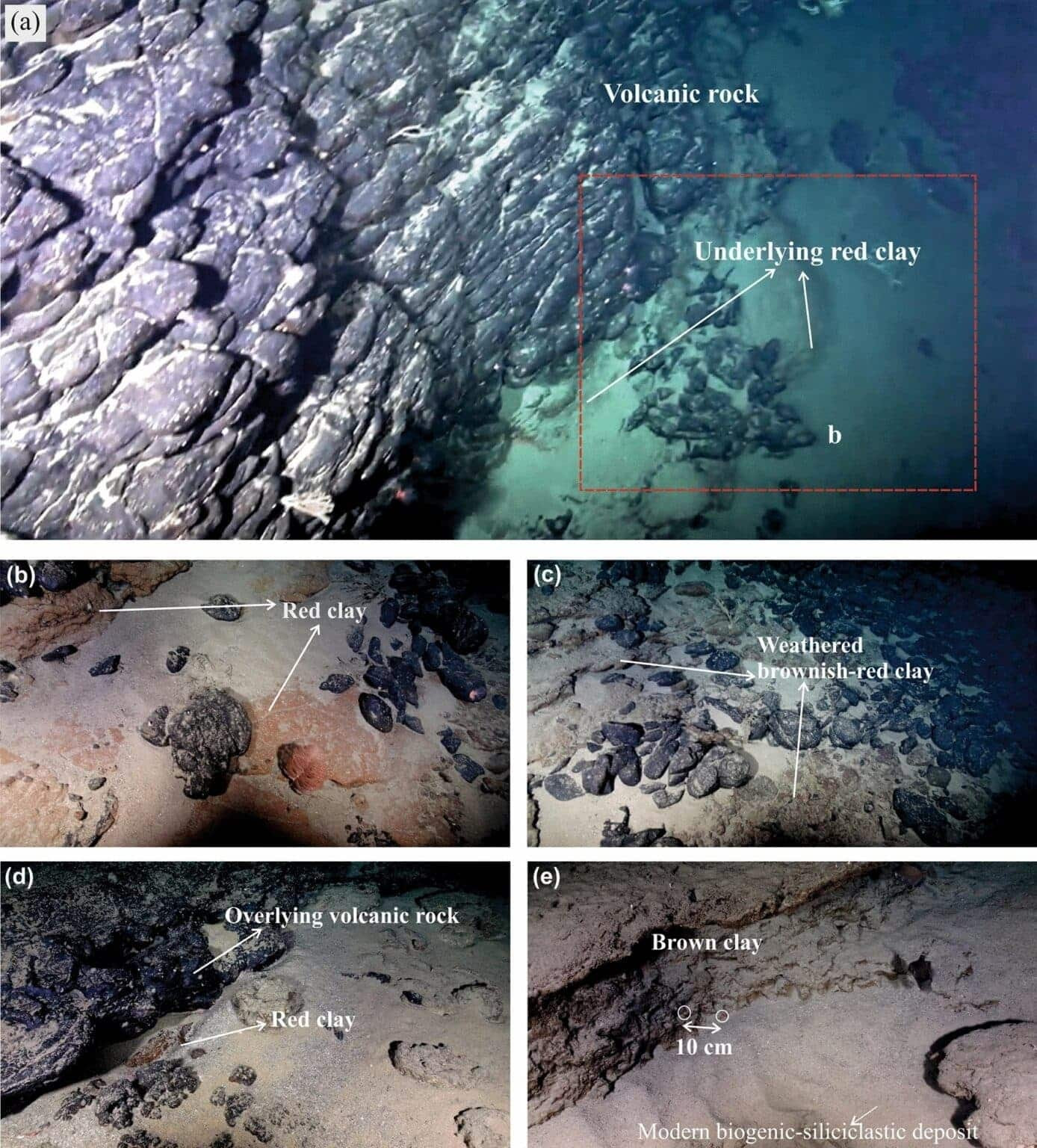
Experts have verified that the Rio Grande Rise, a colossal underwater formation in the South Atlantic, emerged above ocean level as a tropical island millions of years ago before submerging beneath approximately 650 meters of water. The key evidence is found in red clay dredged from the ocean floor, a substance that can only form when exposed to air and rainfall over long periods.
This red clay exhibits an impressive chemical weathering index of 93 out of 100, indicating intense decomposition that is impossible to occur underwater or from material transported over long distances. Instead, it results from volcanic rock enduring warm and humid tropical conditions for millions of years.

Insights from the Red Clay Deposits
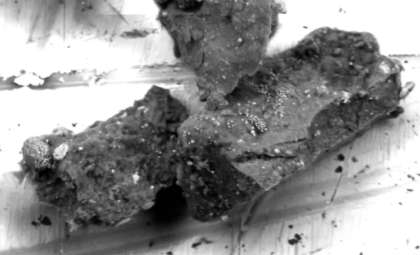
A collaborative study published in Scientific Reports in November 2023, involving the University of São Paulo and the UK’s National Oceanography Centre, uncovered these findings during deep-sea expeditions aboard the RRS Discovery and the Brazilian vessel Alpha Crucis. They retrieved reddish-brown clay strata nestled between horizontal flows of solidified lava.
The dated lava flows originate from the Eocene epoch, approximately 44 million years ago. Embedded within the clay are minerals such as kaolinite, hematite, and goethite—formed through intense weathering processes characteristic of tropical environments. Lead author Luigi Jovane from the University of São Paulo confirms that the mineral composition and placement validate the clay’s formation occurred in situ when the landmass was above sea level.
Further analysis revealed volcanism happened in distinct phases, with intervals of volcanic activity interrupted by lengthy periods allowing for erosion and soil development. While such cyclical volcanic patterns are known from vast continental provinces like India’s Deccan Traps, this is a novel observation for a submerged marine plateau.
Brazil’s Sovereignty Bid and Mineral Riches
This groundbreaking research has swiftly attracted geopolitical interest. Brazil has officially petitioned to extend its continental shelf claim to include the Rio Grande Rise, hoping to secure legal rights over the seafloor and its mineral wealth.
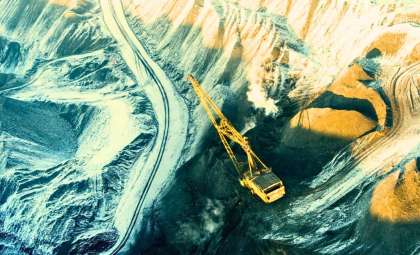
Potentially abundant reserves of tellurium, nickel, cobalt, and lithium reside beneath the seabed. These elements are critical to advancing clean energy technologies such as electric car batteries. With control over these resources, Brazil could emerge as a significant supplier in the global green technology markets.
Nevertheless, the nation confronts legal challenges. The Rio Grande Rise lies in international waters, governed by the International Seabed Authority (ISA), which oversees rules regarding seabed mining activities. Brazil must demonstrate that the Rise is a geological extension of its continental shelf, not an isolated underwater structure, to gain sovereign authority.
Environmental Concerns in Deep-Sea Mining
The ISA mandates thorough environmental impact assessments before permitting extraction endeavors. Brazil has initiated these studies, though scientists warn that the ecosystem inhabiting the Rise remains poorly understood.
“Understanding potential effects on marine life, fungi, and corals is crucial,” Jovane remarked. The deep-sea environment has evolved in isolated conditions for millions of years, and hasty resource extraction could disrupt habitats that are virtually uncharted.
Currently located nearly 1,200 kilometers from Brazil’s southeastern shore, the Rio Grande Rise once towered between 180 to 2,000 meters above sea level during the Eocene period. Gradual tectonic subsidence caused its slow descent beneath the ocean, where layers of sediment and volcanic ash eventually blanketed it.
Looking Ahead
Brazil’s application will undergo complex deliberations within the ISA and the United Nations over the coming years. Meanwhile, the red clay that unveiled the island’s history now serves as a focal point in international conversations about resource ownership, environmental stewardship, and sustainable green energy supply.
Although still underwater, the Rio Grande Rise’s rediscovery reshapes scientific perspectives on oceanic plateaus and influences how nations approach seabed governance.
- Categories:
- News



0 comments
Sign in to Comment