
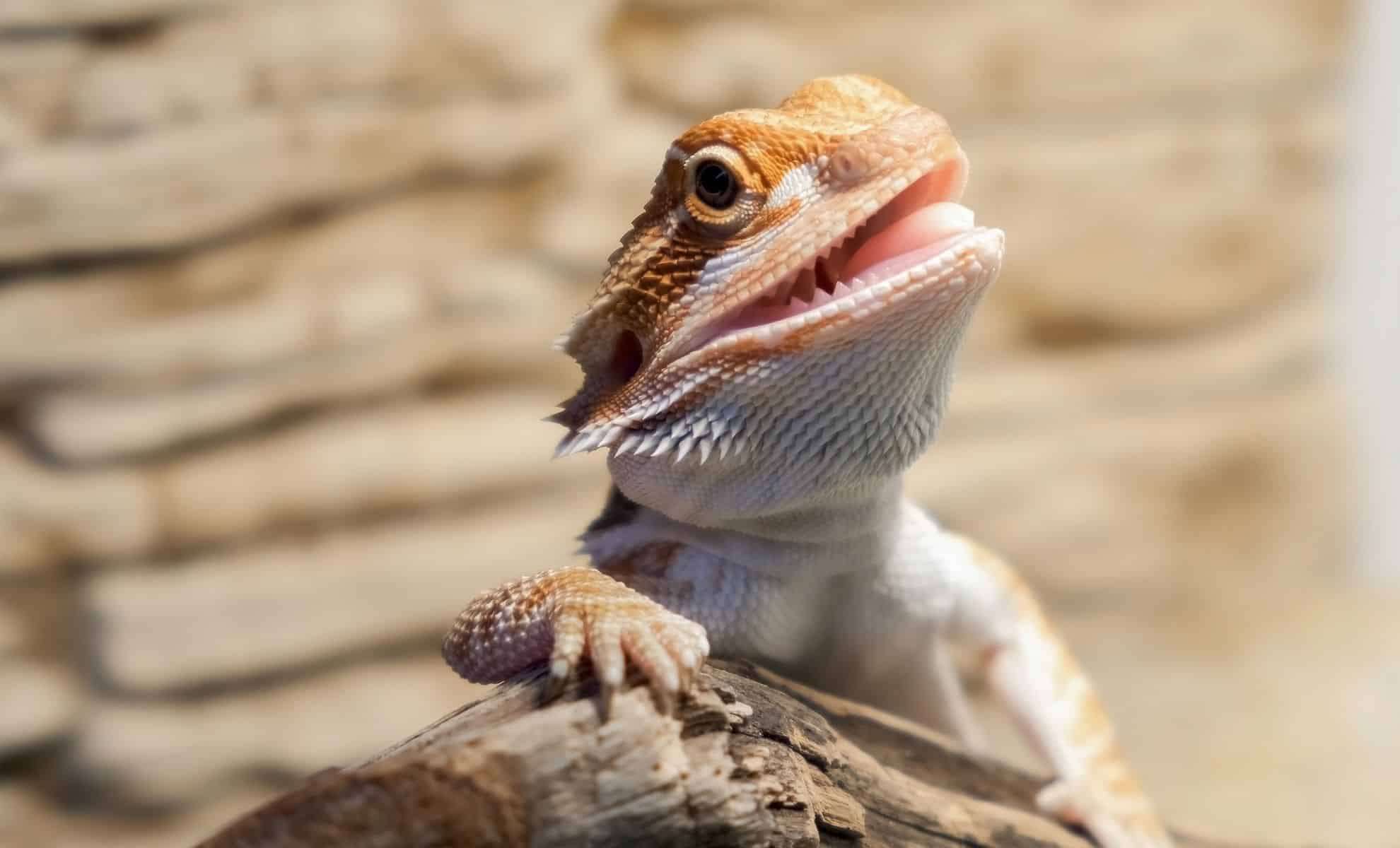
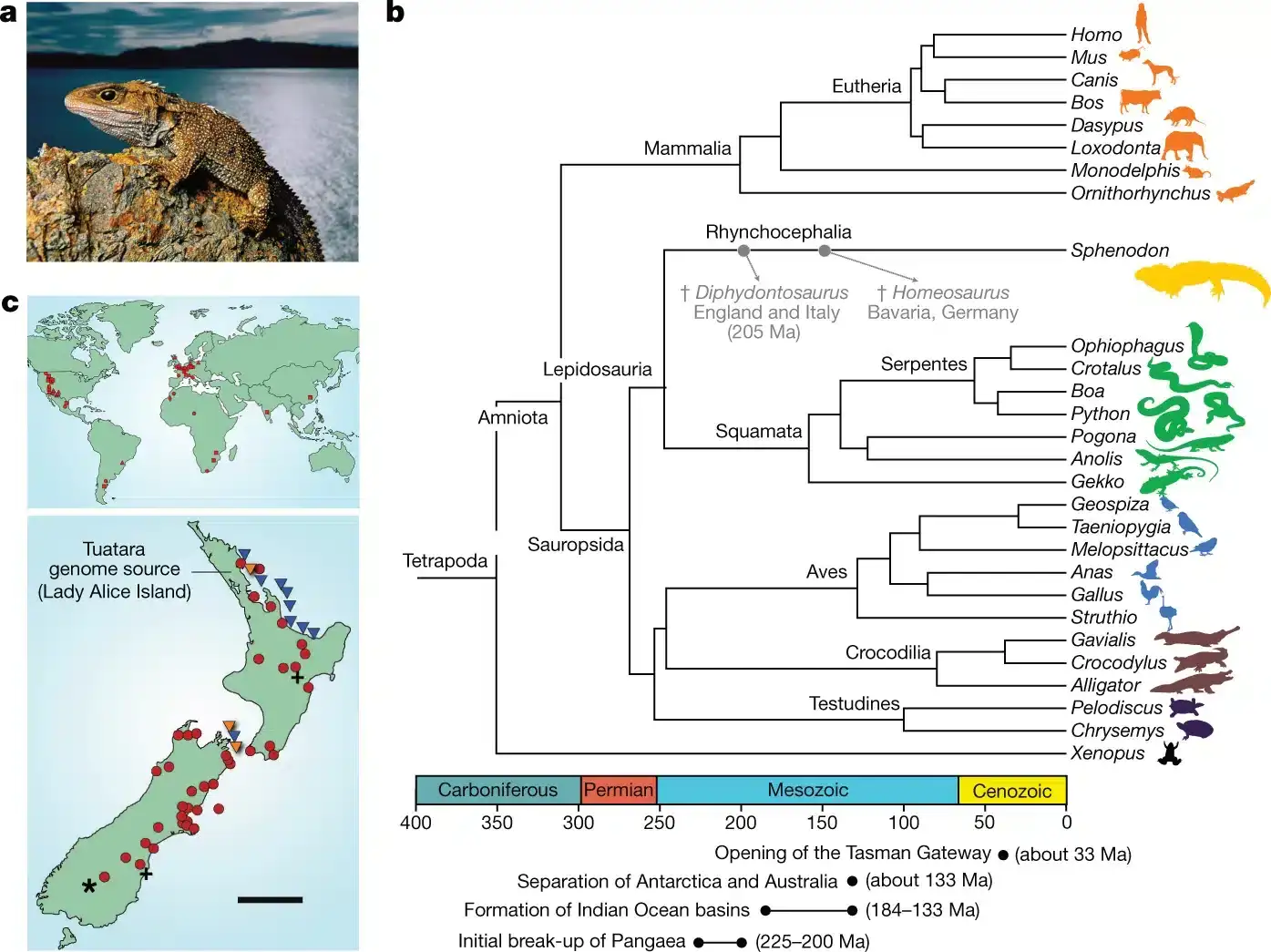
The tuatara, an intriguing reptile endemic to New Zealand, resembles a lizard but is actually part of a distinct evolutionary lineage. Research published in Nature in 2020 unveiled that tuataras possess one of the largest genomes known among vertebrates and that their evolutionary path separated from lizards approximately 250 million years ago. This remarkable reptile exhibits several rare biological characteristics.
Understanding the Tuatara
Tuataras are classified under the order Rhynchocephalia, a group that flourished during the Jurassic era but has largely disappeared from the planet. Their evolutionary split from the common ancestors of lizards and snakes happened in the Triassic period, roughly a quarter of a billion years ago. While lizards and snakes belong to the order Squamata, tuataras remain the sole survivors of their lineage, living exclusively in New Zealand today.
Fossil evidence of rhynchocephalians has been found across the ancient Gondwana supercontinent, encompassing areas that now include Africa, South America, Antarctica, India, and Australia. Despite the extinction of other members in their order, tuataras endured by adapting to their remote island habitat.

An Exceptionally Large Genome
Although they look like lizards at first glance, tuataras differ markedly in their anatomy. They feature more ribs on their torso and have unique skull and dental structures that distinguish them from true lizards. One of the most surprising findings is the massive size of their genome, ranking among the largest of any vertebrate species analyzed so far.
These anatomical and genetic distinctions correlate with their notably slow growth and development. Tuataras require about 15 to 20 years to become reproductively mature, a considerably slower pace than most reptiles.
The Unique “Cloacal Kiss” Mating Technique
Tuataras possess a reproductive style that differs from many reptiles. Males lack an external copulatory organ, unlike lizards and snakes who have paired hemipenes. Instead, mating involves a “cloacal kiss,” where the male’s cloaca directly presses against the female’s to transfer sperm.
Researchers like Sarah Lamar from the University of Wellington have observed that male tuataras grip the female’s tail with their hind legs during mating to maintain this contact. Their eggs have an unusually long incubation period lasting between 12 and 15 months.
The Parietal Eye and Sensory Features
A distinctive attribute of the tuatara is its parietal eye, also known as the "third eye." This light-sensitive organ sits atop the head beneath the scales and likely helps regulate biological clocks and hormone cycles. Although it’s mostly hidden in adults, it can sometimes be seen in hatchlings.
This third eye isn’t exclusive to tuataras; various reptiles, amphibians, and some fish species have similar organs, providing extra sensory information that may have benefited ancient ancestors in navigating their environments.
Conservation Status of an Ancient Survivor
The International Union for Conservation of Nature (IUCN) categorizes tuataras as “least concern,” but New Zealand’s Department of Conservation labels them “at risk — relict” due to historic declines. The introduction of invasive predators like rats by European settlers severely reduced populations by preying on eggs and young tuataras.
Today, about 55,000 tuataras primarily inhabit predator-free offshore islands in the Cook Strait region between New Zealand’s North and South islands. Cannibalism by adult tuataras on juveniles also adds pressure on their numbers.
“As climate change raises temperatures in New Zealand, it is expected to skew tuatara sex ratios toward males, which could lead some populations into functional extinction,” warns Lamar and her team.
- Categories:
- News












0 comments
Sign in to Comment