
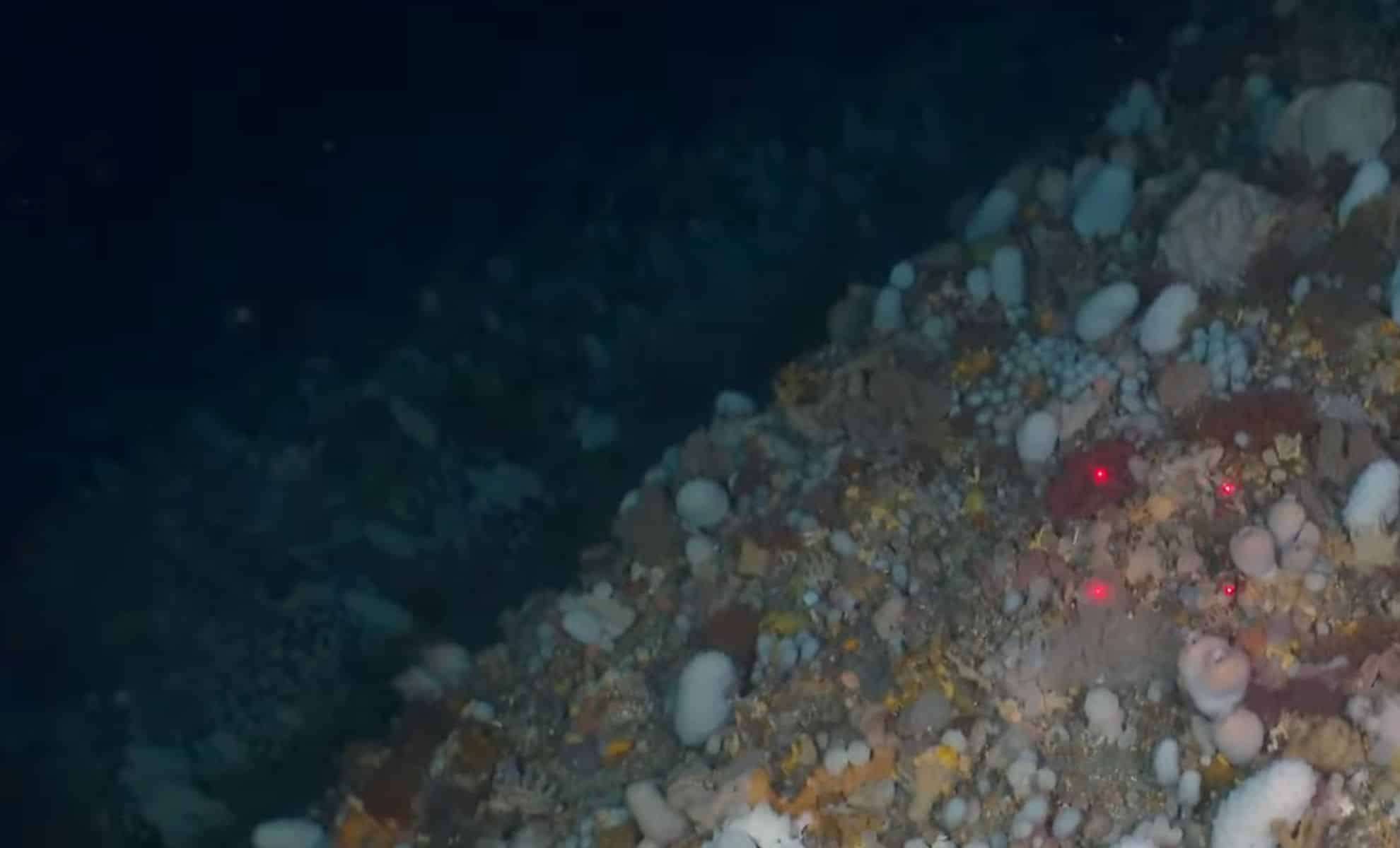
Marine biologists have identified what seems to be a novel species of sea squirt during a deep-sea survey near Port Pegasus, close to the southern edge of Rakiura (Stewart Island) in New Zealand. This finding emerged from investigations of deep reef habitats at depths around 115 meters, utilizing a remotely operated vehicle (ROV).
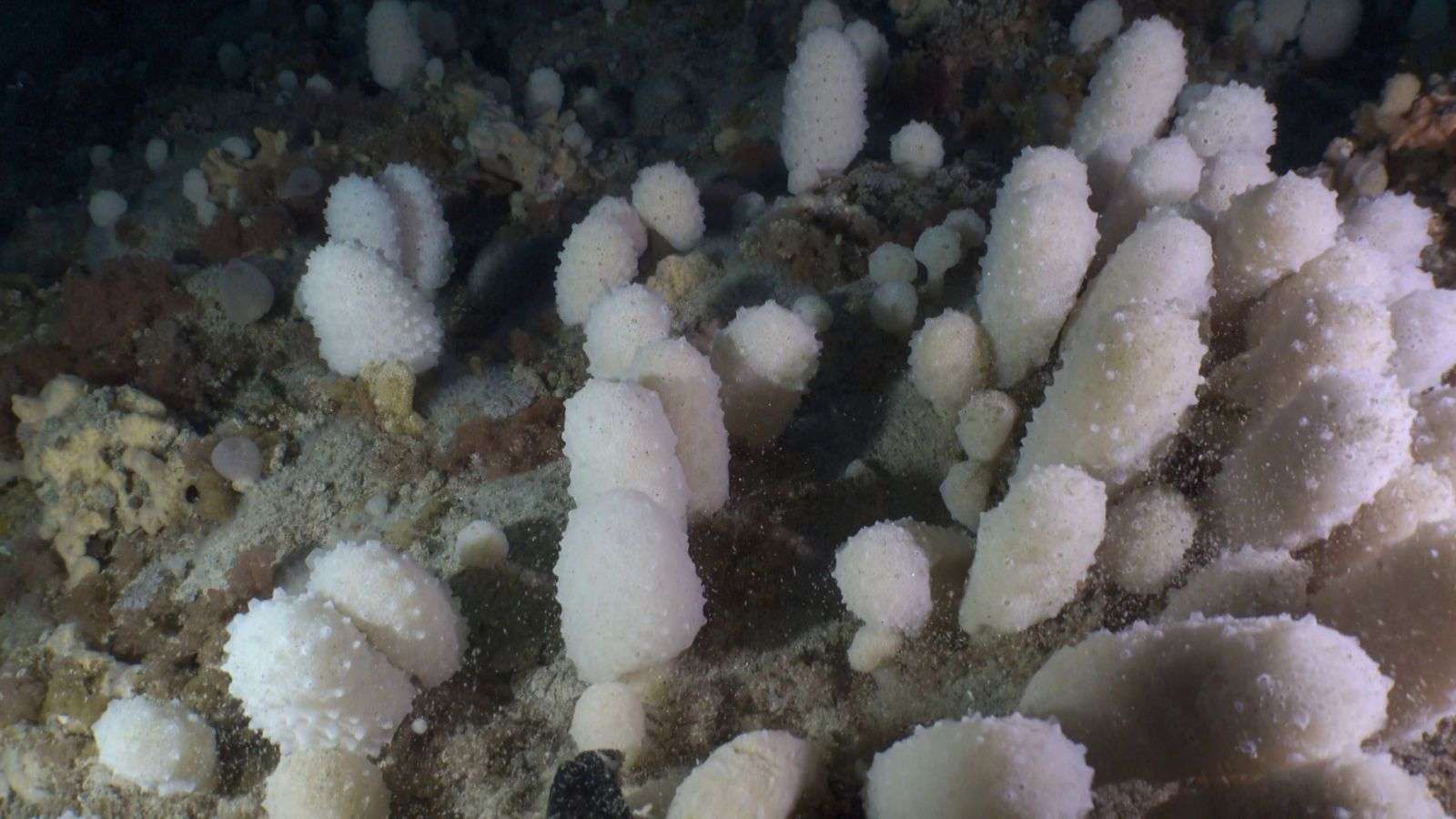
Conducted by a research team from Te Herenga Waka – Victoria University of Wellington, the expedition captured footage displaying large, egg-shaped organisms up to 30 centimeters in height densely populating the seafloor. These ascidians showcased an unusual array of bright colors, such as white, pink, yellow, and blue—an uncommon feature in deep, light-deprived marine zones.
Recognizing an Exceptional Deep Ocean Organism
Sea squirts, also known as ascidians, are sessile marine invertebrates typically affixed to substrates like rocks, docks, and reef structures. While some species are noted for translucency or colonial living arrangements, the newly recorded type distinguishes itself through its significant size, distinctive form, and vibrant hues. Professor James Bell, lead marine biologist for the project, remarked, “While exploring near Port Pegasus at Rakiura's southern tip, we encountered these peculiar ‘egg-shaped’ creatures on the seabed. Upon closer examination, we identified them as sizable sea squirts, approximately 30 cm tall—species we haven’t observed elsewhere in Aotearoa.”

Determining this organism’s precise taxonomic status will involve further research, including DNA analysis and detailed morphological comparisons. Early indications suggest this may be a unique member of the ascidian lineage, potentially endemic to this marine region.
Ecological Role and Conservation Significance
Sea squirts function as crucial filter feeders, drawing seawater through siphons to capture plankton and organic particles, thereby supporting water purification and nutrient cycling within reef ecosystems. Their presence helps stabilize habitats utilized by various marine species.
The discovery of such organisms in the largely pristine waters surrounding Rakiura emphasizes the region’s rich biodiversity and serves as a benchmark for assessing marine ecosystem health. It also underscores the value of deep-sea exploration in less-studied Southern Hemisphere environments, which remain under-documented in worldwide biodiversity assessments.
Scientific and Medical Implications
Beyond their ecological contributions, sea squirts are of growing interest due to their biomedical potential. Research at institutions such as Stanford Medicine explores how sea squirt biology relates to the human immune system. Additionally, reports like those in Neuroscience News highlight promising compounds derived from sea squirts that may inform the development of anti-aging therapies by targeting cellular degeneration pathways.
This find highlights both the biotechnological promise of marine species and the critical importance of conserving their natural habitats. The identification of a new species in New Zealand waters illustrates the vast unknowns of deep-sea life and the possibility of groundbreaking discoveries hidden in unexplored marine zones.
Discoveries Amid Global Environmental Change
While this revelation offers hope for marine biodiversity, it arrives during a period of widespread environmental disruption caused by climate change. Studies from the Columbia Climate School reveal that sea squirt populations in sensitive areas such as Antarctica are declining due to warming oceans, acidification, and increased environmental volatility. These factors jeopardize reproduction, larval survival, and habitat conditions, threatening marine food chains.
In this context, the Rakiura discovery serves as both a beacon of biodiversity and a call to action. Professor Bell noted, “This finding reinforces the necessity to safeguard marine environments and their distinctive species.” The team regards the breakthrough not only as a scientific achievement but also as an urgent conservation message, spotlighting fragile ecosystems hidden within the ocean depths.
The investigation is ongoing, with further classification efforts and additional ROV surveys planned to uncover more unknown marine life in the region.
- Categories:
- News







0 comments
Sign in to Comment