
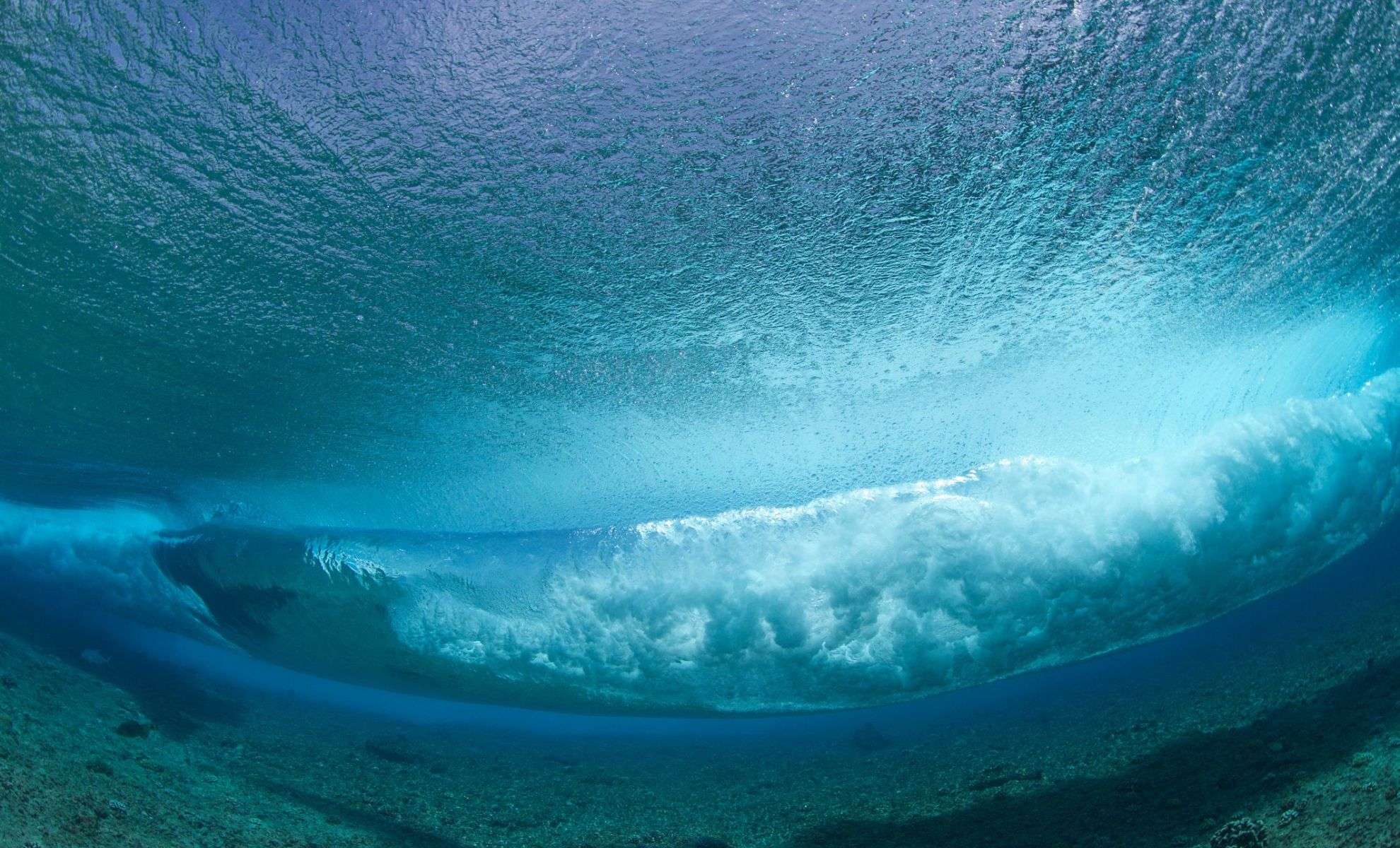
In a groundbreaking advancement, scientists have pinpointed an enormous supply of water buried deep beneath the Earth’s surface, estimated to hold three times the amount of water found in all the world’s oceans combined. Situated nearly 400 miles below the crust, this finding revolutionizes our comprehension of Earth’s water reservoirs and sheds light on the complex geology of the mantle.
While it has been acknowledged that water exists in Earth's mantle, the extent of its quantity remained elusive until now. The key to this discovery lies in a unique mineral, ringwoodite, a high-pressure variant of olivine. This mineral’s crystal lattice behaves like a sponge, capturing water molecules, which plays a critical role in explaining water’s circulation within the planet’s deep interior.
This achievement was enabled by integrating cutting-edge seismic imaging with in-depth studies of Earth’s internal layers, unveiling an unprecedented volume of water contained deep underground. Experts now examine the profound effects this reservoir may have on Earth's internal functions and surface water dynamics.

Unraveling the Water-Holding Power of Ringwoodite
Ringwoodite is essential in storing water deep in the mantle. Geophysicist Steven D. Jacobsen, who contributed significantly to this research, explained the mechanism: “The ringwoodite is like a sponge, soaking up water. There’s something very special about the crystal structure of ringwoodite that allows it to attract hydrogen and trap water.” It is this mineral’s extraordinary ability to incorporate water within its crystal framework under extreme heat and pressure that makes it a cornerstone in revealing Earth’s subterranean water stores.
Although scientists long theorized water’s presence in the mantle, uncovering such a massive volume at these depths represents a transformative insight. Water within ringwoodite exists in a unique state—neither truly solid nor liquid—acting much like water absorbed by a sponge. This concept, detailed in the 2014 Science publication, reshapes our grasp of the global water cycle and reveals how subterranean water influences Earth’s geology.
The Role of the Hidden Mantle Water Reservoir
This vast reservoir, concealed within the mantle, could be influential in regulating Earth’s surface water bodies. Functioning as an extensive water bank, it may help explain phenomena such as volcanic eruptions, seismic activity, and plate movements, by mediating water exchange between the planet’s exterior and interior. This discovery suggests a more intricate and expansive hydrological cycle encompassing the entire Earth.
The relevance of this water vault extends into planetary science. As investigations progress, scientists consider whether similar water storage occurs on other planets, potentially impacting their habitability. Could this mechanism clarify how water persisted or vanished from planets like Mars and Venus? Jacobsen’s work offers valuable perspectives on these planetary histories and their geological activities relating to the presence of water.
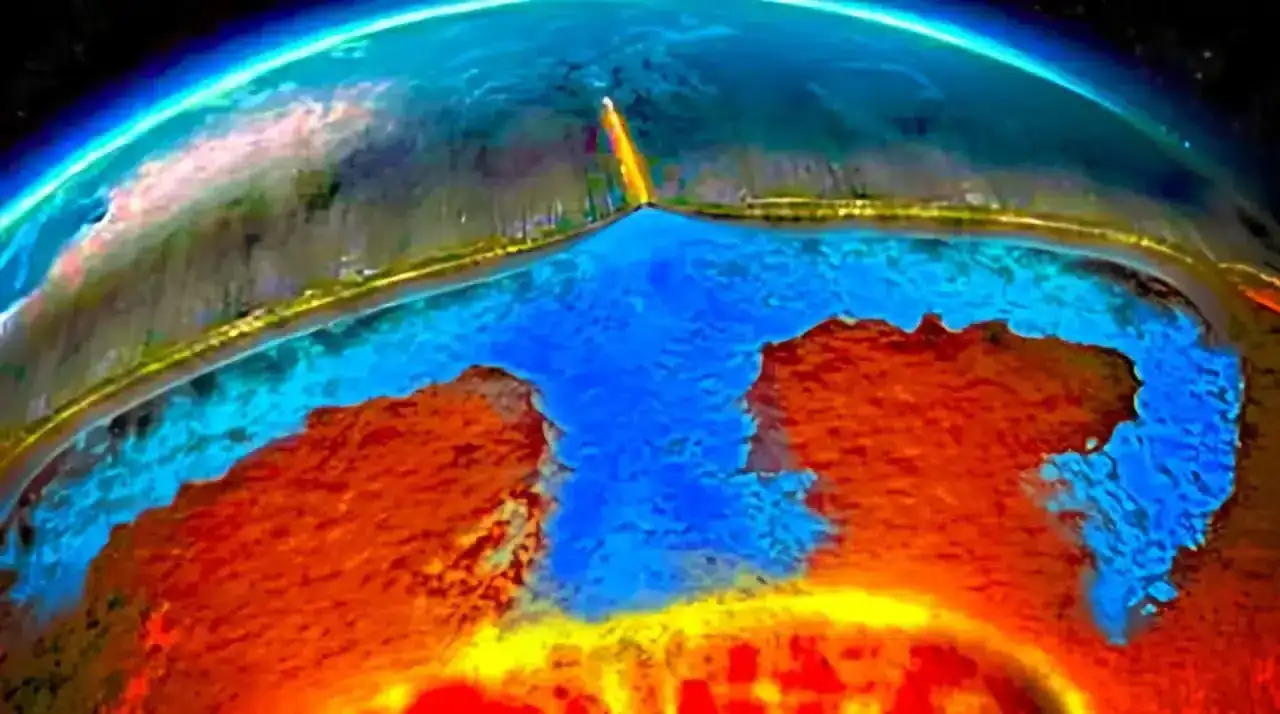
Methods Behind the Discovery of Deep-Water Storage
The identification of this underground water cache was achieved through examination of seismic waves—vibrations generated by earthquakes that traverse Earth’s layers. Using sensitive seismometers, scientists captured how these waves interact with deep mantle minerals. Analysis demonstrated that the water trapped in ringwoodite altered these seismic signals, providing the first concrete proof of this concealed water reserve.
Careful evaluation revealed that even a modest amount of water in ringwoodite—as low as 1% by weight—can account for an enormous volume of water beneath the crust, amounting to three times the volume of all ocean water combined. This milestone opens new horizons in deep Earth exploration, illuminating the vital role water plays in our planet’s geological development.
Implications for Earth and Beyond
This monumental discovery invites a reevaluation of Earth's hydrosphere. Traditionally, scientific efforts have concentrated on oceans, lakes, and rivers to understand the water cycle. Now, the significance of deep geology in storing water is becoming evident, challenging previous assumptions about the planet’s water distribution.
Moreover, it underscores the intricate connection between Earth’s internal and external systems. As climate challenges intensify, understanding the mechanisms governing water movement between crust and mantle could be integral to conserving water resources. This insight might also inform sustainable water management strategies amid growing global scarcity and drought concerns.
Future Perspectives on Earth’s Hidden Water
This discovery has energized the scientific field, spurring further investigation into the massive subterranean water reservoirs. Advancements in technology promise to uncover more about water-mineral interactions in the mantle, the replenishment of these reserves, and their influence on Earth's geological activity.
As exploration continues, it is likely additional underground water sources will be revealed, providing deeper understanding of Earth’s geological past. Each breakthrough brings us closer to grasping the full complexity of Earth’s water cycle as a dynamic system linking the planet’s surface to its deep interior, shaping life as we know it.
- Categories:
- News








0 comments
Sign in to Comment