
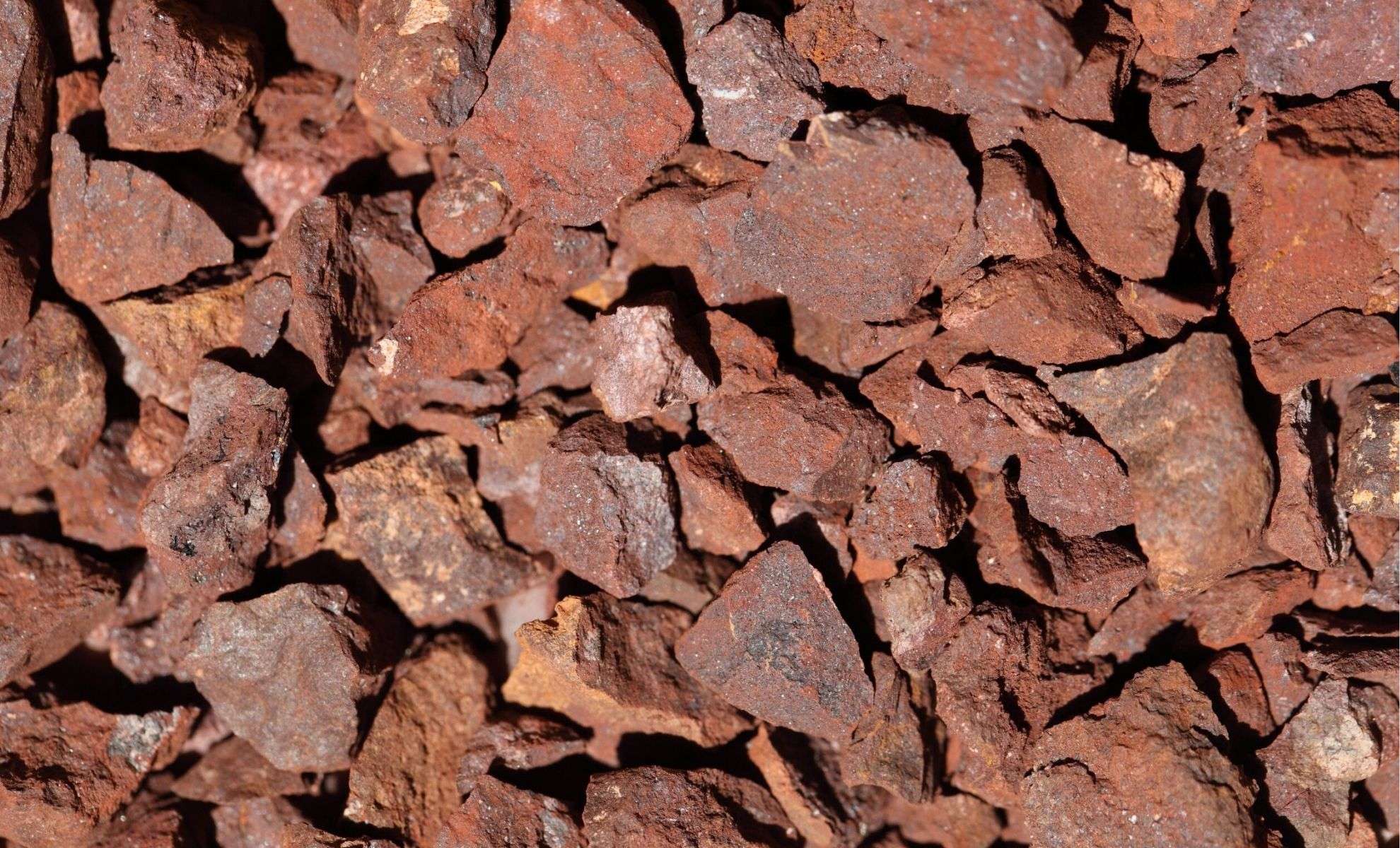
A groundbreaking find in Western Australia’s Hamersley region has revealed the largest iron ore reserve ever identified. Valued at roughly $5.9 billion, this enormous deposit is set to revolutionize both the mining sector and geological research. Its importance, however, extends well beyond monetary value, providing fresh insights into Earth's mineral development over time.
Containing an estimated 55 billion tons of iron ore, this site stands out not only for its vast size but also for its complex geological background. Contrary to previous beliefs that positioned this region’s iron ore deposits as about 2.2 billion years old, new research indicates they are significantly younger—around 1.4 billion years—shedding new light on Earth’s mineral formation history and challenging established geological models.
Revolutionizing Our Understanding of Iron Ore Formation
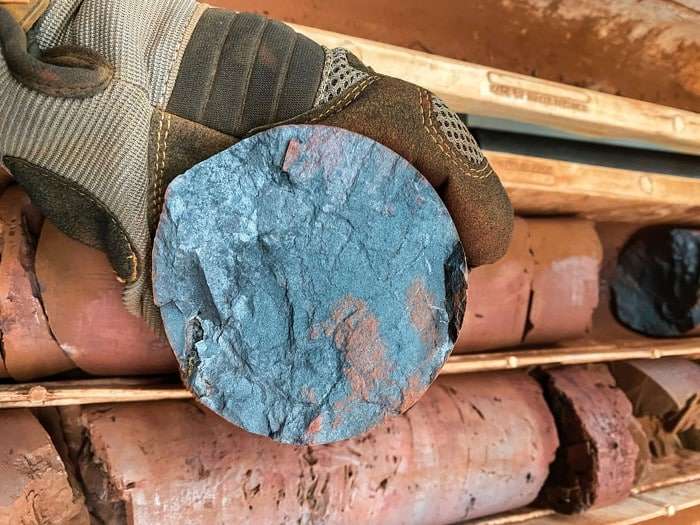
This huge iron ore discovery in Australia calls into question long-held ideas about the evolution of mineral deposits. Scientists have long been intrigued by the transformation process that increased the iron concentration in the ore from approximately 30% to over 60%. As Associate Professor Martin Danisík from Curtin University states, “The precise timeline for how these deposits evolved from an initial 30% iron concentration to their current state of above 60% was unclear.”

The transformation, stretching over 1.4 billion years, is now under detailed investigation, offering crucial clues about the environmental conditions that enabled such substantial iron enrichment. The timing and characteristics of these deposits also reveal a strong correlation with Earth's supercontinent cycles, particularly during tectonic events, giving scientists a better grasp of how plate movements influence mineral concentration and formation.
The Connection Between Supercontinent Movements and Vast Mineral Deposits
This discovery highlights a significant relationship between the genesis of iron ore deposits and cycles of supercontinent assembly and breakup. One of the researchers involved emphasized, “Uncovering a link between these massive iron ore bodies and supercontinent cycle dynamics enhances our understanding of Earth's ancient geological mechanisms.”
Over billions of years, the drifting, collision, and reconfiguration of Earth's continents played a crucial role in mineral distribution. The data suggest that each supercontinent cycle created favorable conditions for massive iron ore accumulation. By decoding the geological events tied to these cycles, scientists gain valuable insights into predicting where similarly large deposits might exist worldwide.
Implications for Industry and Sustainable Resource Management
This expansive iron ore find is poised to influence not only the global trading landscape but also the future direction of mining industries. Australia, already a major player in the metals market, stands to strengthen its position with access to this vast resource.
Beyond economic benefits, this discovery encourages a deeper comprehension of Earth’s prehistoric geology. Linking mineral deposit formation to supercontinent tectonics could unlock new perspectives on Earth's transformation over deep time.
As iron ore demand escalates worldwide, the Hamersley deposit is expected to become central to industrial production, supply strategies, and sustainable extraction methodologies in an era focused on environmental stewardship.










0 comments
Sign in to Comment