
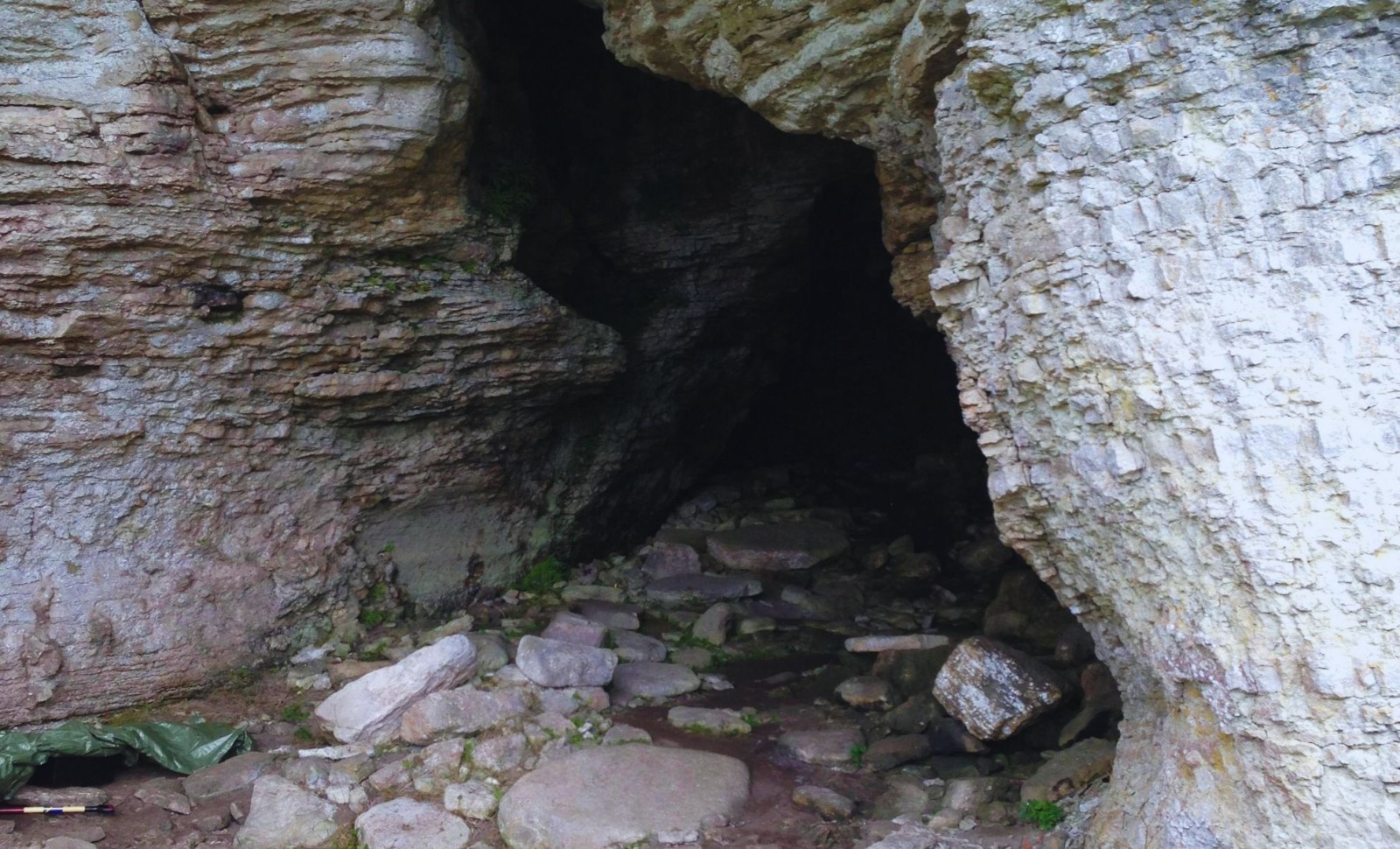
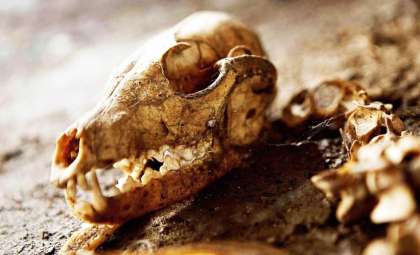
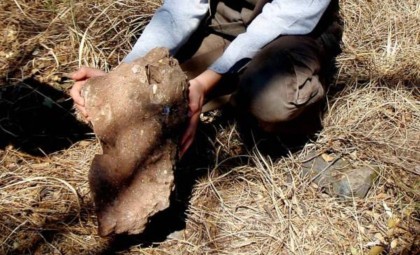
Researchers have uncovered ancient wolf remains on a secluded Swedish island, offering new insights that question existing ideas about how dogs were domesticated. The fossils, aged between 3,000 and 5,000 years old, were discovered on Stora Karlsö, a tiny island in the Baltic Sea, notable for its absence of native terrestrial mammals.
Scientists propose that these wolves could have only arrived there through human action, prompting fresh investigations into early human-wolf relationships. The study, featured in the Proceedings of the National Academy of Sciences, suggests a more intricate connection between people and wolves than previously understood.
Surprising Signs of Early Human-Wolf Connection
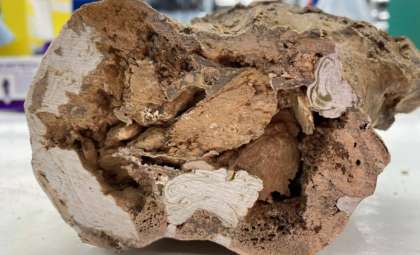
The wolf fossils were uncovered inside the Stora Förvar cave, a location historically used by Neolithic and Bronze Age societies engaged in seal hunting and fishing. Due to the island’s isolated nature, an international team from Stockholm University, the Francis Crick Institute, and other research centers concluded the wolves likely reached the island because of human assistance.

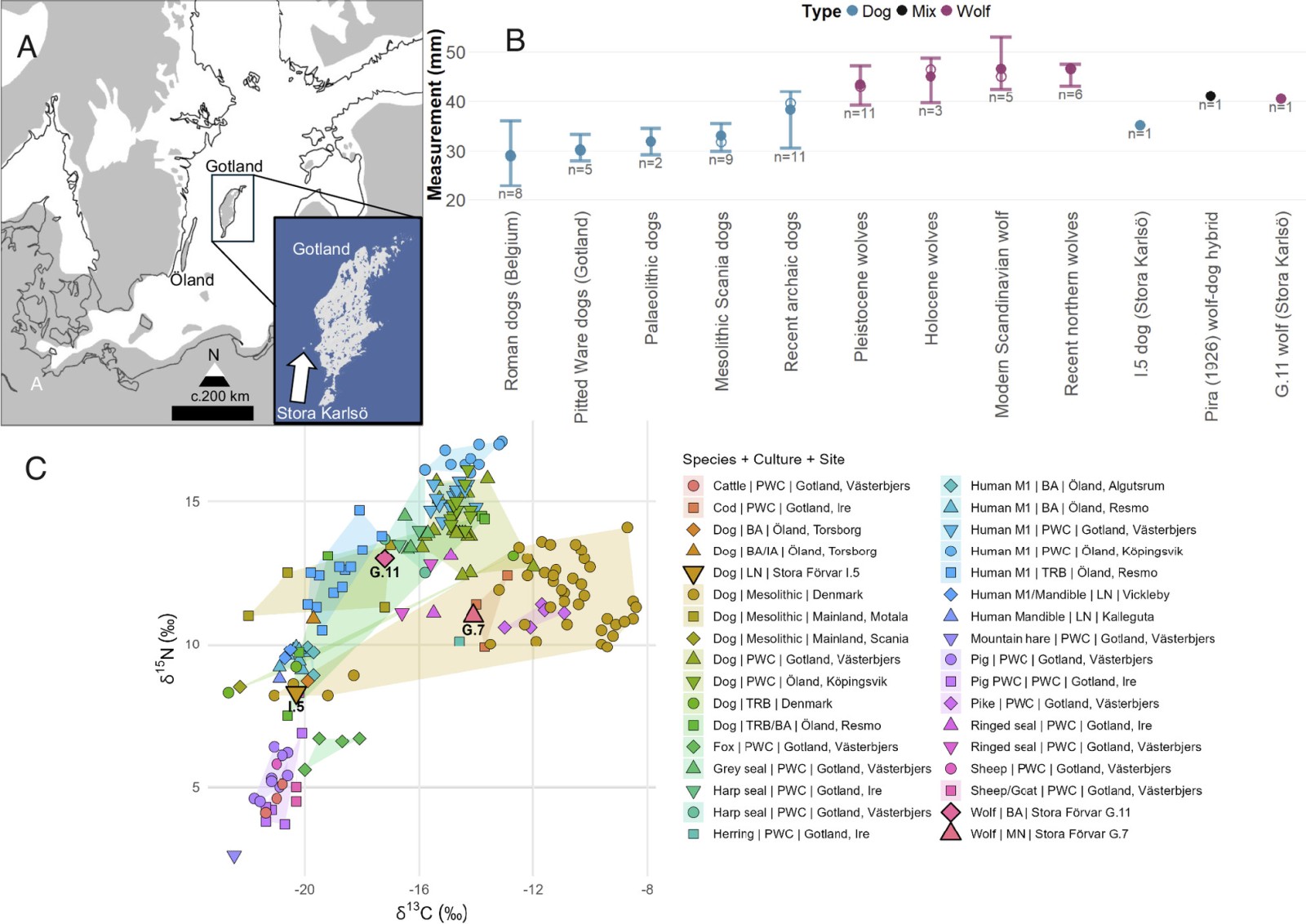
The published findings in PNAS provide genomic evidence confirming these remains were of wild wolves, devoid of any markers of domestication, yet showing indications of close proximity to humans.
“The discovery of these wolves on a remote island is completely unexpected,” said Pontus Skoglund, senior author of the study. “Not only did they have ancestry indistinguishable from other Eurasian wolves, but they seemed to be living alongside humans, eating their food, and in a place they could only have reached by boat.”

Genetic Clues Point to Possible Human Care
Further scrutiny revealed one wolf exhibited notably reduced genetic variability, a characteristic common among isolated or domesticated groups. This finding raises the possibility these wolves may have been deliberately managed or selectively bred by humans.
Although definitive proof of domestication remains elusive, the low genetic diversity along with evidence such as a pathological condition affecting one wolf’s limb bone strongly suggests human caregiving. The injury would have impaired its ability to hunt effectively.
Reconsidering Domestication Origins
The traditional narrative holds that wolves gradually adapted to human presence, eventually evolving into dogs. However, discoveries from this isolated island imply that human interaction with wolves might have extended beyond mere coexistence or hunting.
These findings open the door to the idea that early humans may have actively managed wolves for specialized roles previously unimagined. Jan Storå, a Stockholm University osteoarchaeology professor, commented:
“The combination of data has revealed new and very unexpected perspectives on Stone Age and Bronze Age human-animal interactions in general and specifically concerning wolves and also dogs.”
While it remains uncertain whether these wolves were fully domesticated, this research points to early human groups having a richer and more involved relationship with wolves than formerly believed.
- Categories:
- Science






0 comments
Sign in to Comment