

The early 1980s marked a transformative era in personal computing, introducing devices that would change our interaction with technology forever. One such machine was the Apple Lisa, an ambitious project boasting an advanced graphical user interface, but it never secured a substantial market share.
Innovation surged rapidly across Silicon Valley, and devices quickly went from launch to obsolescence, often vanishing without fanfare. Despite its pioneering features, the Lisa quietly faded into obscurity, unnoticed by most outside the tech sector.
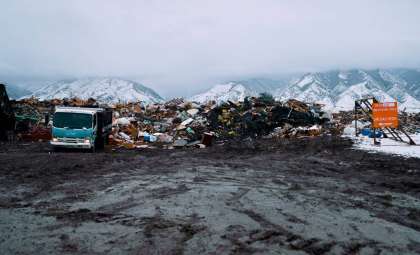
By 1989, thousands of unsold Lisa units were moved from storage in Utah to a landfill near Logan, where they were destroyed upon arrival. Apple never publicly detailed the reasoning behind this mass destruction. However, decades later, new investigations have brought renewed attention to this mysterious disposal.

The Intersection of Breakthrough Technology and Market Failure
Introduced in 1983, the Apple Lisa was the company's first personal computer to include a graphical user interface with a mouse, icons, and pull-down menus. These elements are now standard, but at the time, they were novel and unfamiliar to most users and developers alike.
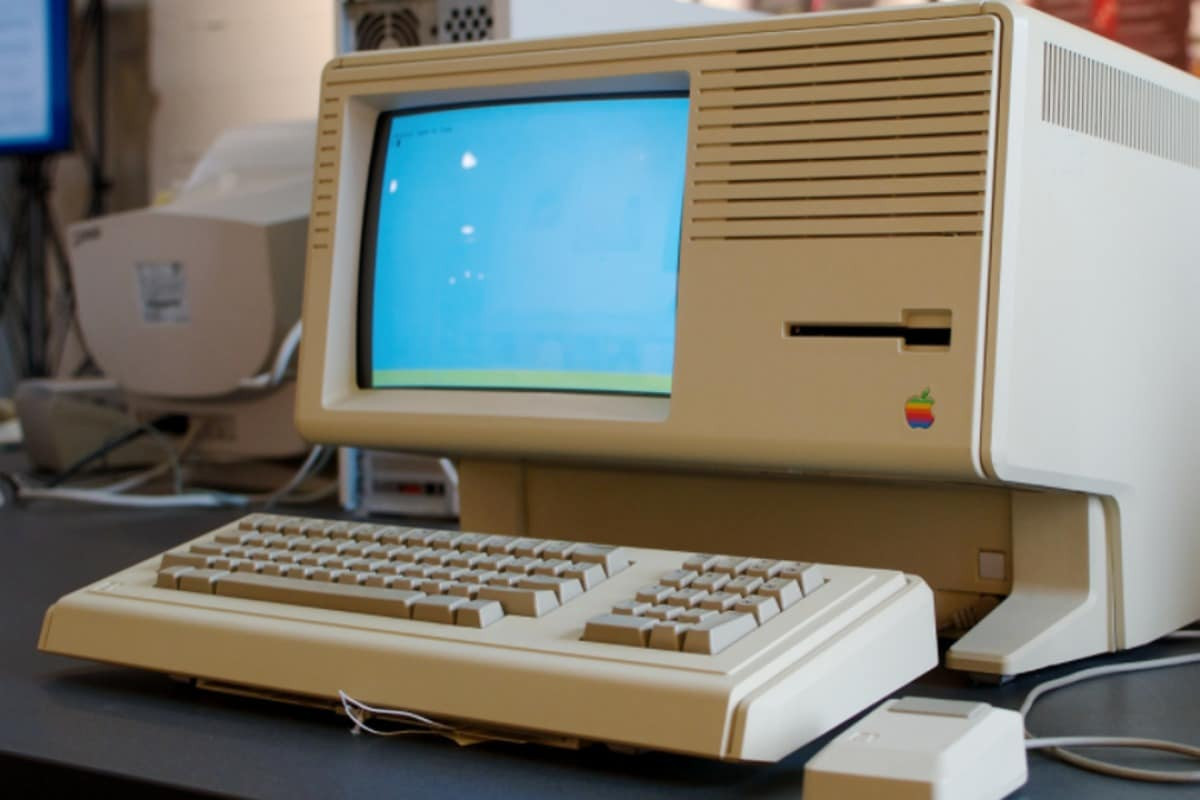
Retailing at a staggering $9,995—almost $30,000 in today’s value—the Lisa was priced beyond what most customers and businesses could afford. Compounding struggles, it faced hardware reliability problems and compatibility limitations. Even after a rebranding to the Macintosh XL and discounted pricing, sales remained disappointing.
The Lisa line was discontinued by 1985, and a large inventory ended up in storage, reportedly amounting to thousands of units. When these products were discarded, e-waste regulations were minimal, leaving details around their fate largely unknown.
An Attempted Resale Effort Cut Short
Between 1986 and 1989, Apple partnered with Sun Remarketing, a company from Utah founded by Bob Cook, who specialized in buying discontinued Apple equipment for refurbishment and resale. As detailed in The Verge’s thorough investigation, Cook had previously handled over 3,000 units of the similarly unsuccessful Apple III.
Cook sought to purchase as many as 7,000 Lisa computers, investing roughly $200,000 to upgrade their hardware and software and market them as the affordable Lisa Professional. Sales had commenced but abruptly ended when Apple unexpectedly demanded all remaining units be returned.

In September 1989, Apple instructed Sun Remarketing to send back every unsold Lisa in its inventory. No official explanation was provided. The returned computers were transported to the Logan landfill and destroyed on site, with bulldozers used to bury approximately 2,700 machines.
Firsthand reports and historical records confirm Apple’s abrupt action and the machines’ systematic destruction, which was irreversible. Once damaged, the computers were disposed of beneath landfill refuse.
Unanswered Questions Behind Apple’s Actions
Apple has not publicly addressed its choice to eliminate the Lisa inventory. No internal memos or interviews from that era have surfaced to clarify the company’s motives.

Some experts cited by The Verge speculate Apple may have viewed the Lisa as a potential brand risk, worried that reselling outdated equipment—even refurbished—could harm its reputation. The desire to tightly control its product ecosystem may also have played a part.
The involvement of Steve Jobs, removed from the company in 1985 but returning in the 1990s, is sometimes mentioned in retrospectives. Jobs had a complex relationship with the Lisa, which shares his daughter’s name, but no direct evidence connects him to the 1989 destruction decision.
Environmental Values Then and Now
Today, Apple projects a strong commitment to environmental stewardship, emphasizing carbon neutrality, recycling, and sustainable manufacturing. Its current practices seek to minimize waste and prevent landfill contributions.
In contrast, the mass destruction of Lisa computers in 1989 stands out against modern environmental objectives. Back then, e-waste disposal was largely unregulated, but the deliberate nature of this landfill burial raises questions when examined today. No evidence suggests environmental factors influenced the disposal process.
At the time, recycling mandates for electronics were virtually nonexistent, and landfilling was widely accepted. Still, the purposeful elimination of thousands of operational units was exceptional compared to typical equipment scrapping.
Rediscovering a Buried Legacy
Bob Cook, who passed away in October 2023, is recognized for his foresight in extending the life cycle of obsolete technology. His obituary credits him with pioneering work that helped shape today’s electronics resale industry.
The burial of Lisa units remained largely unknown until recently highlighted by The Verge. Despite the public intrigue, key questions persist, as Apple has never formally disclosed its reasoning, nor has any documentation come to light.
The Logan landfill has not been disturbed since. Efforts to excavate the buried computers have been ruled out due to technical and financial barriers. According to local authorities, the disposal site lies too deep for feasible recovery.
- Categories:
- News










0 comments
Sign in to Comment