
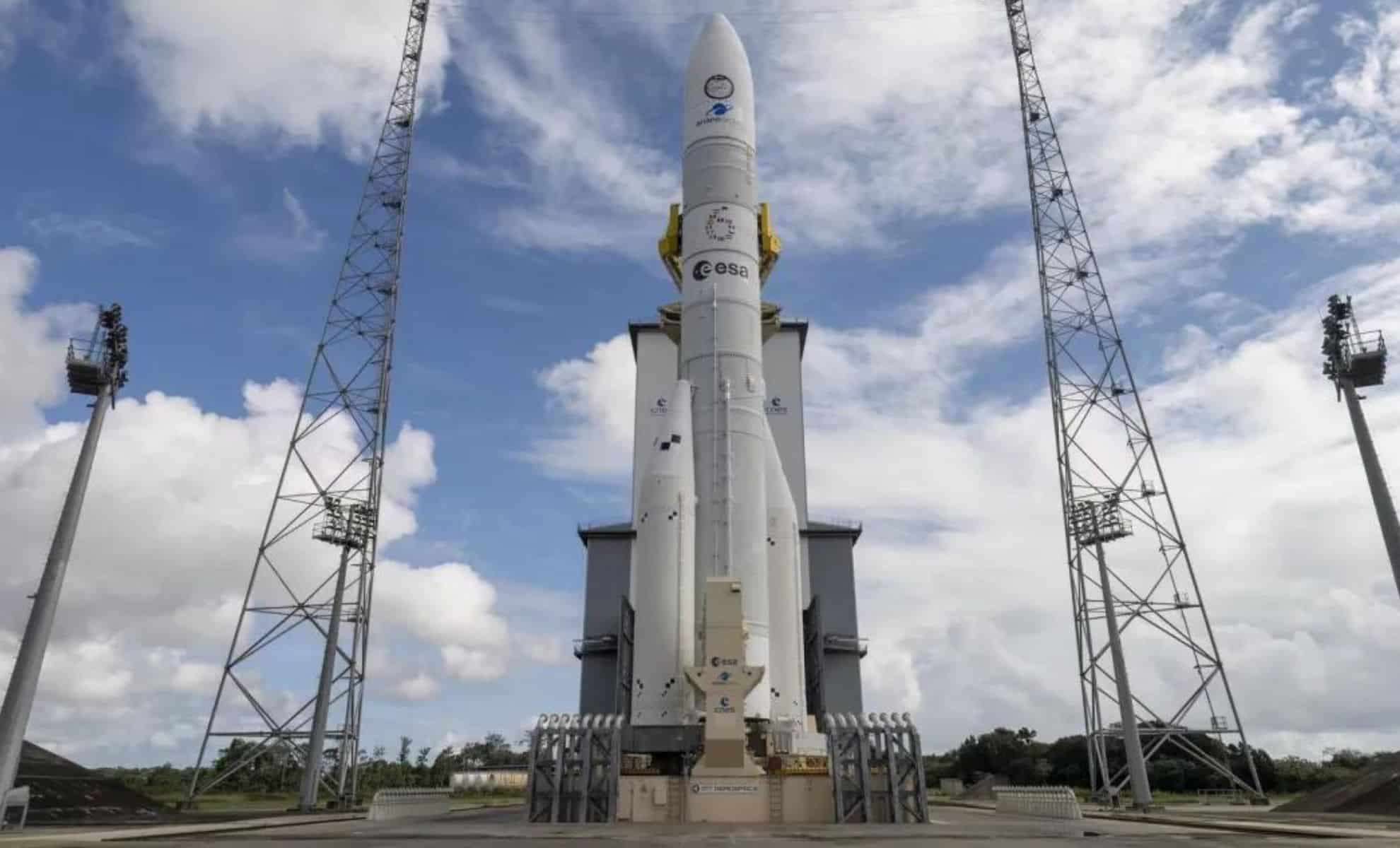
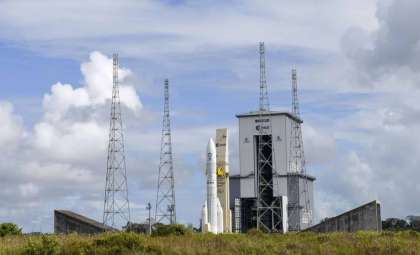
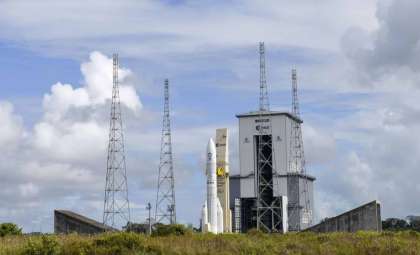
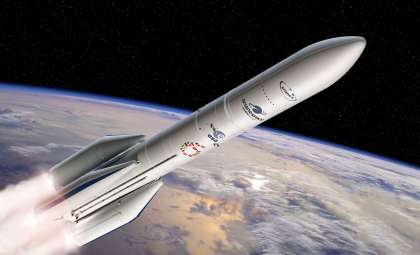
Europe is approaching a groundbreaking moment with the upcoming first flight of the cutting-edge Ariane 6 heavy-lift rocket.
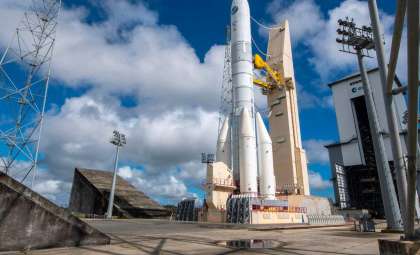
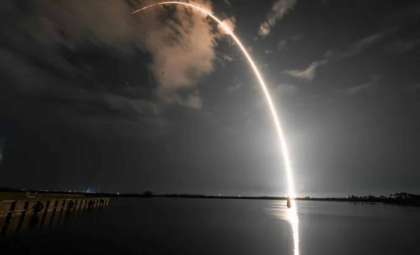
This launch, planned for Tuesday, July 9, 2024, from the Kourou launch site in French Guiana, represents a major leap forward for European aerospace technology.
Successfully launching Ariane 6 will highlight Europe's commitment to maintaining independent access to space, crucial for its scientific research, commercial ventures, and strategic operations.

Details on Ariane 6’s Design and Performance
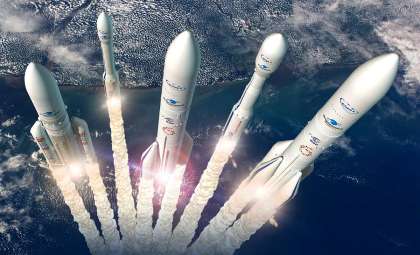
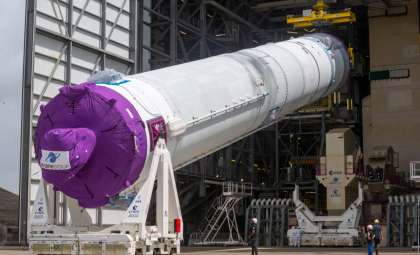
The Ariane 6 spacecraft is poised to replace the well-known Ariane 5, which retired after nearly 30 years and 117 missions. It is available in two configurations: the ’62’ model, which includes two solid rocket boosters, and the ’64’ model, which uses four. The ’62’ version, standing 56 meters tall, will perform the inaugural flight. It can deliver payloads weighing up to 10.3 tons into low Earth orbit, whereas the ’64’ design can transport up to 21.6 tons.
The core stage of the Ariane 6 is powered by an advanced Vulcain 2.1 engine that uses liquid hydrogen and oxygen, an enhancement over the Vulcain engine used in Ariane 5. This boosts the rocket’s efficiency and power, enabling it to manage a broad spectrum of missions. Moreover, sustainability is integrated into the design, with mechanisms to safely deorbit the upper stage to minimize space debris.
Importance of This Launch
The first flight carries significant technical and strategic weight for Europe’s space ambitions. Hermann Ludwig Moeller, head of the European Space Policy Institute, stressed, “It is absolutely vital for Europe to regain autonomous access to space.”
This capability is fundamental for launching governmental projects including the EU Space Programme, EUMETSAT satellites for weather forecasting, ESA missions, plus various defense and security deployments. Independent launch access ensures Europe controls critical space infrastructure and continues to advance its role in global space activities.
Addressing Past Challenges and Future Prospects
The Ariane 6 project encountered delays initially planned for a 2020 launch, impeded by technical hurdles, the COVID-19 crisis, and geopolitical tensions including Russia’s conflict with Ukraine. Despite these obstacles, Europe anticipates scaling the rocket’s frequency to between nine and twelve launches annually by 2026.
Josef Aschbacher, ESA’s director general, cautioned that the success rate for first flights statistically stands at 53%. He also highlighted the mission’s significance for future launches. “Equipped with many innovative elements, Ariane 6 will enable higher payload capacity and extended reach, while responsibly managing upper stage disposal to eliminate space debris,” ESA representatives noted ahead of the launch. This reflects the ambition to make Ariane 6 a dependable and versatile vehicle for European missions over the coming decades.
Mission Overview and Wider Impact
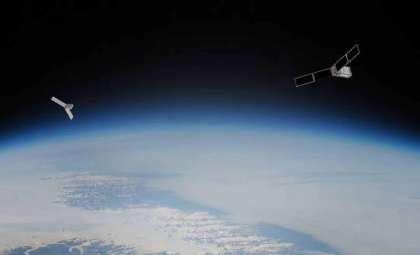
The debut launch will carry nine cubesats into low Earth orbit alongside a suite of experimental payloads, including two reentry capsules designed to test controlled atmospheric descent. The rocket’s upper stage will also reenter Earth’s atmosphere, burning up safely upon descent.
A successful mission will validate Ariane 6’s performance and solidify its role as a backbone for upcoming endeavors. With a backlog of 30 contracts, notably 18 for Amazon’s Kuiper broadband satellites, this rocket is slated to become central to European space projects.
This launch will underline Ariane 6’s technical capabilities and confirm its readiness to support diverse commercial and government operations.
Boosting Europe’s Space Security and Climate Efforts
Looking forward, Europe must accelerate the use of space technology across numerous domains. Moeller emphasized the need to transition focus post-launch to maximize climate observation, improved weather prediction, secure communications, and more.
“From July 10 onward, Europe’s priority should shift beyond launch vehicles toward expanding space capabilities that benefit the economy and society at large,” Moeller added. This vision champions maintaining Europe’s competitive space edge while ensuring space assets deliver comprehensive societal advantages.
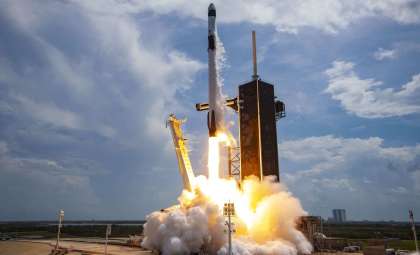
The interim period between Ariane 5’s retirement and Ariane 6 becoming operational has required ESA to rely on Falcon 9 launches for some missions, exposing the shortfall in indigenous European launch capacity.
This dependence highlighted the critical need to commission Ariane 6 promptly. Meanwhile, efforts to commercialize the Vega rocket and introduce new micro and small launch vehicles from European providers aim to diversify and strengthen the continent’s launch portfolio in an increasingly dynamic market.
These developments will position Europe as a leading force in the global space industry, capable of supporting science, commerce, and defense missions far into the future.

0 comments
Sign in to Comment