
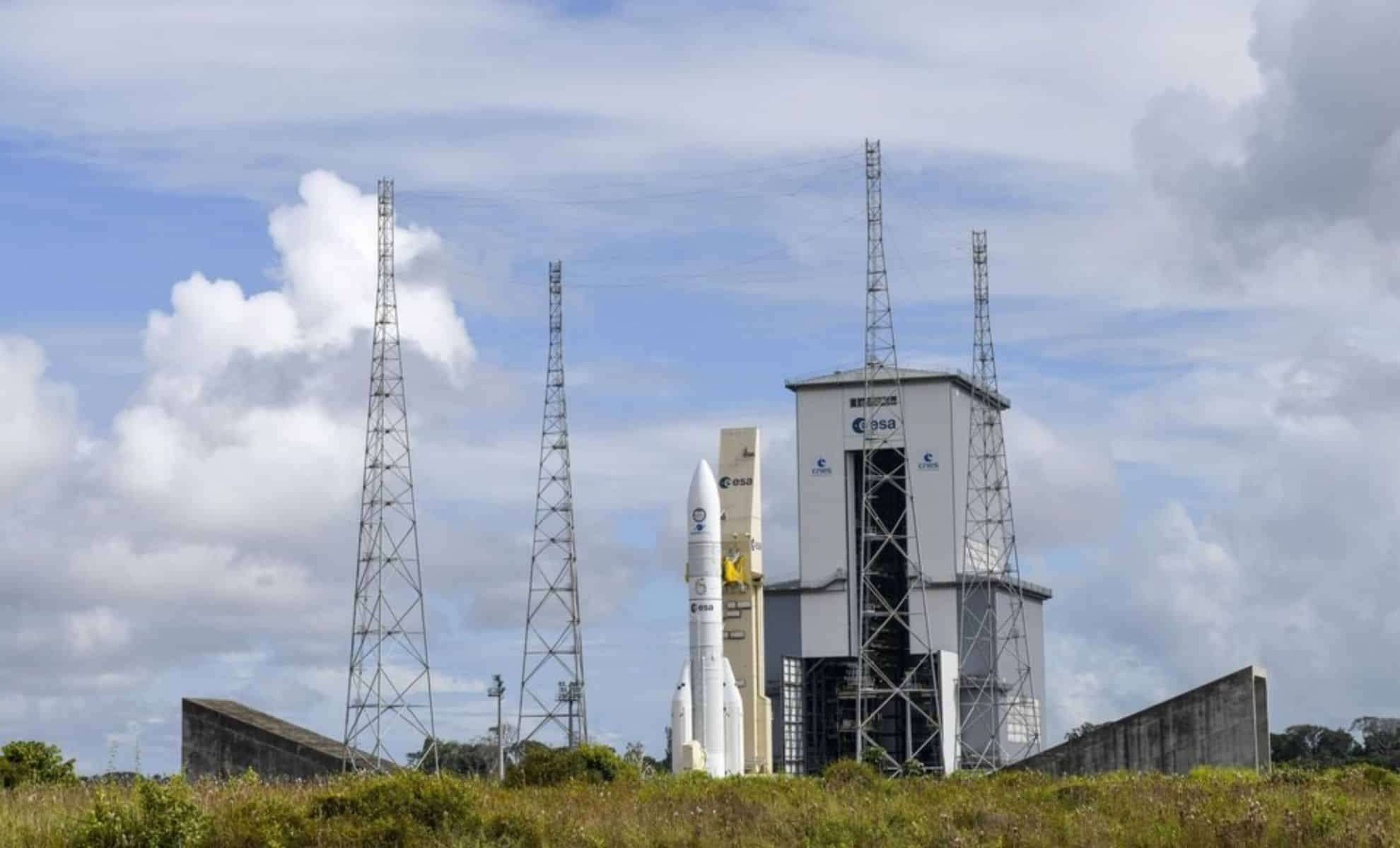
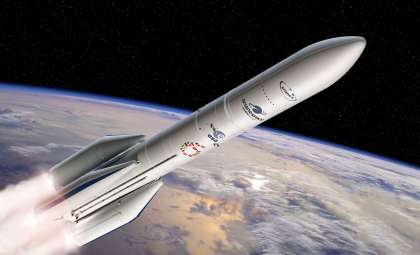
The European Space Agency (ESA) is gearing up for the maiden flight of its newest spacecraft launcher, Ariane 6, a landmark moment that advances Europe's space ambitions.
Crafted to offer more adaptability, affordability, and eco-friendliness, this innovative rocket will enable Europe to carry out a variety of scientific, commercial, and tech missions with greater efficiency.
When and Where to Watch the Launch
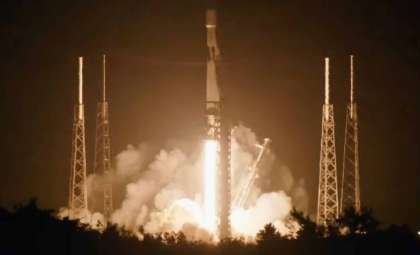
The Ariane 6 is set to blast off on July 9, 2024, from the European Spaceport in French Guiana. The launch window spans from 15:00 to 19:00 local time (19:00–23:00 BST, 20:00–00:00 CEST).

ESA will broadcast the event live on ESAWebTV starting about half an hour before liftoff, featuring expert commentary in English, French, and German.
This launch is a pivotal event for ESA and Europe’s space sector, culminating years of development and high hopes for its success.
Ariane 6: Advancing Europe's Space Launch Technology
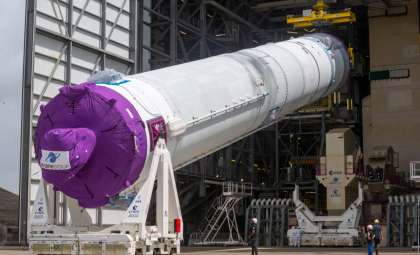
Ariane 6 takes the baton from the acclaimed Ariane 5, which served since 1996. This next-gen rocket boasts a lighter frame, greater height, and improved cost efficiency, enabling deployment of satellites into diverse orbits.
ESA Director General Dr. Josef Aschbacher emphasized Ariane 6’s enhanced adaptability and eco-conscious design, crucial for safeguarding Europe’s independent access to space.
This adaptability allows Ariane 6 to support a wide variety of satellite missions including telecommunications, Earth observation, and space science research.
rocketAriane 62 and Ariane 64Ariane 6
The Three Key Stages of the First Flight
Stage One: Earth Ascent and Orbit Insertion
The mission begins with liftoff powered by the main Vulcain 2.1 engine and two robust P120C boosters, propelling Ariane 6 away from the ground and into space.
During this phase, the main stage separates from the upper stage while the Vinci engine activates to place the vehicle into an elliptical orbit roughly 300 by 700 kilometers above the planet.
This flight segment validates Ariane 6’s design by replicating Ariane 5’s successful ascent profile, confirming its operational capabilities.
Stage Two: Upper Stage Restart and Satellite Release
The Vinci engine will restart in microgravity to circularize the orbit, demonstrating a critical new functionality for the upper stage. This requires carefully managed fuel settling using the Auxiliary Propulsion Unit (APU).
Payload deployment occurs here, releasing satellites such as OOV-Cube, Curium One, and Robusta-3A.
Successful execution proves Ariane 6’s capacity to place multiple satellites into designated orbits during one mission, highlighting its operational versatility.
Stage Three: Technology Demonstrations and Safe Disposal
The final phase tests upper-stage systems under weightless conditions and involves maneuvers like controlled deorbit over the South Pacific’s 'NEMO point' to mitigate space debris.
Additionally, two reentry capsules will be released, designed to survive returning through the atmosphere and gather valuable flight data.
Passivating the upper stage by eliminating residual energy prevents accidental explosions, reflecting ESA’s dedication to sustainable spaceflight.
Eco-Friendly Innovations
Ariane 6 integrates multiple sustainability initiatives. The launchpad incorporates carbon emission reduction technologies, and transport of components utilizes cargo ships partly powered by wind energy.
Hydrogen fuel for the rocket is generated through solar power, cutting CO2 emissions by 80%. ESA is committed to minimizing environmental impact, with a detailed post-launch environmental assessment planned to gauge overall sustainability.
Implications for Europe's Space Future
Ariane 6's debut is a critical advancement securing Europe’s continuous access to space for broad scientific, commercial, and technological applications.
Its increased payload capacity and orbital reach make it a central asset in upcoming space missions, enhancing Europe’s role in the global space arena.
For space enthusiasts and experts alike, Ariane 6’s launch heralds a transformative chapter in Europe’s space endeavors, laying the groundwork for ambitious future exploration and innovation.
- Categories:
- Astronomy ,
- News ,
- Space ,
- Aircraft



0 comments
Sign in to Comment