
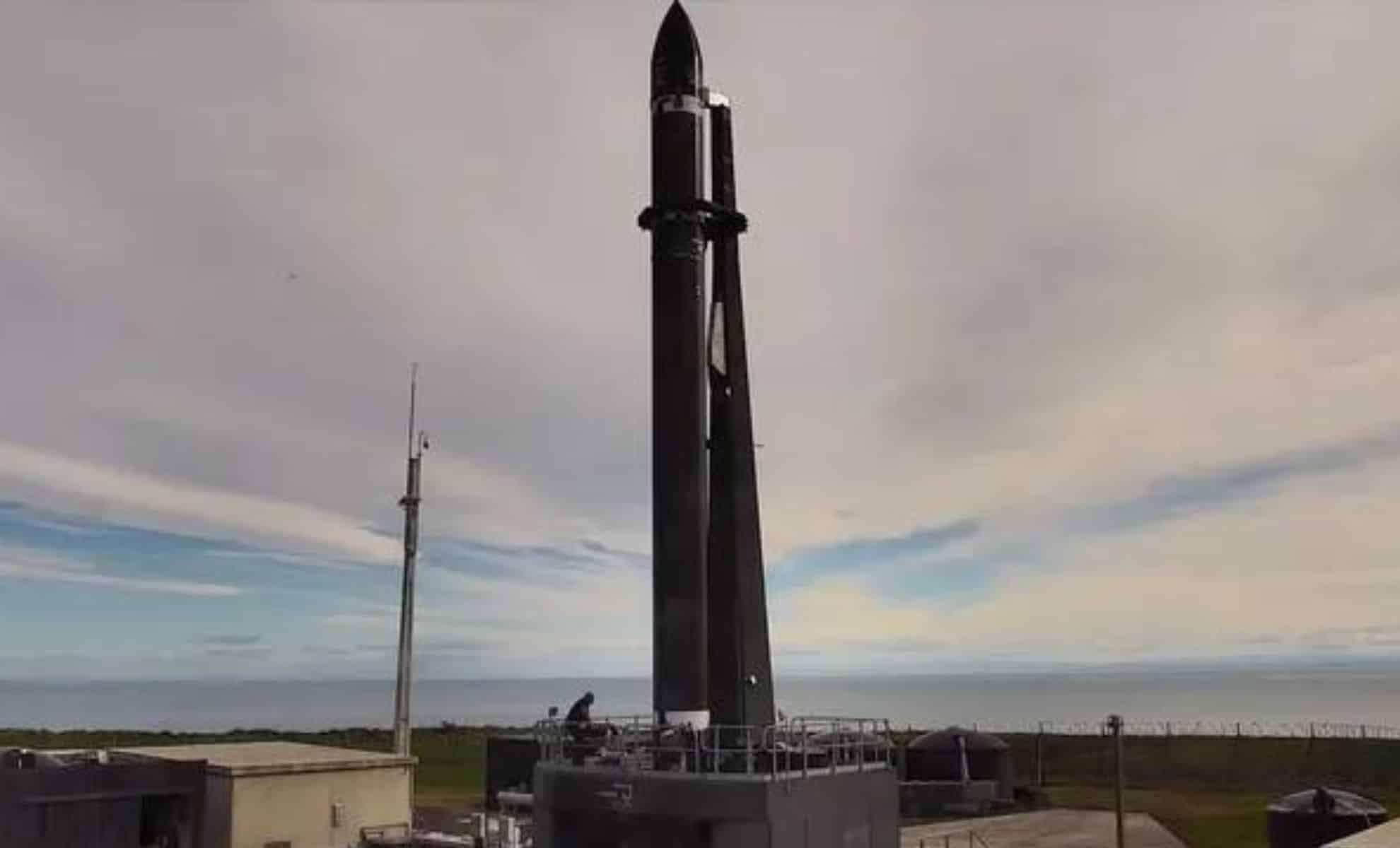
Rocket Lab is ready to celebrate a key achievement with the upcoming 50th flight of its Electron rocket, highlighting the company's expanding influence in the satellite launch industry.
This milestone emphasizes Rocket Lab’s growing footprint in satellite deployment and its competition with other industry giants like SpaceX.
Launch Overview
Since its debut in May 2017, Rocket Lab’s Electron rocket—an 18-meter-tall, two-stage vehicle—has become a dependable platform for sending small satellites into orbit. The upcoming mission marks its 50th launch.

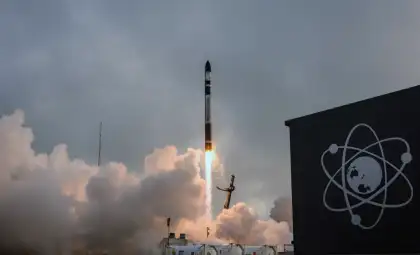
This particular launch is the first in a series of five dedicated operations to deploy a 25-satellite IoT network for French company Kinéis. Named “No Time Toulouse,” the mission is set to lift off from Rocket Lab’s Launch Complex 1 at Mahia, New Zealand, at 6:13 a.m. local time on Friday, June 21 (2:13 p.m. ET on Thursday, June 20).
Originally scheduled earlier, the launch was delayed due to unfavorable weather, but Rocket Lab has multiple backup launch windows over the next ten days.
A Significant Milestone for Rocket Lab
CEO Sir Peter Beck expressed pride about reaching this landmark, stating that completing fifty successful Electron launches is a rare and significant feat within the space industry. “Completing your first launch is a major milestone, so achieving 50 Electron launches is a monumental accomplishment and a historic milestone in spaceflight,” Beck remarked.
He lauded his team’s dedication in developing the Electron rocket into a reliable small satellite launcher and thanked Rocket Lab’s customers for their continued trust, which has helped the Electron become one of the most regularly flown launch vehicles.
Technology and Upcoming Missions
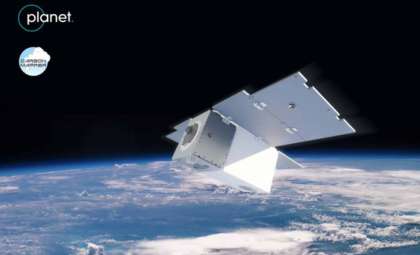
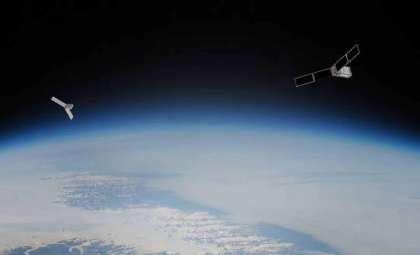
The 50th mission will place five small satellites into low Earth orbit, around 635 kilometers above Earth’s surface. These satellites represent the initial deployment phase of Kinéis’ 25-satellite global IoT constellation designed to enable efficient, low-power data transmission using advanced nanosatellite technologies. This constellation also includes a ship-tracking Automatic Identification System (AIS) to support maritime industry applications.
To date, Rocket Lab has executed 48 orbital launches, boasting 44 successful flights. The Electron rocket has also been modified for suborbital missions under the HASTE (Hypersonic Accelerator Suborbital Test Electron) program, which successfully launched in June 2023. This versatility demonstrates Rocket Lab’s commitment to innovation and diverse mission capabilities.
Expanding Market Presence and Future Ventures
Rocket Lab is steadily enhancing its position in the competitive satellite launch sector, rivaling SpaceX’s Falcon 9 rideshare offerings. The company started launching from U.S. territory in January 2023 and is advancing development of a more powerful next-generation vehicle, Neutron, designed to accommodate human passengers. These efforts aim to broaden Rocket Lab’s market reach and service capabilities.
Viewers interested in seeing the landmark 50th Electron rocket launch can tune into Rocket Lab’s live webcast, starting at 5:15 a.m. local time on Friday, June 21 (1:15 p.m. ET on Thursday, June 20), nearly an hour ahead of liftoff. Updates and weather status will be shared through Rocket Lab’s social channels.
Rocket Lab’s accomplishment in reaching 50 flights highlights its pivotal role in advancing space technology and commercial space access. With ongoing innovation and expansion, Rocket Lab is well positioned to influence the future of satellite deployment and space exploration.





0 comments
Sign in to Comment