
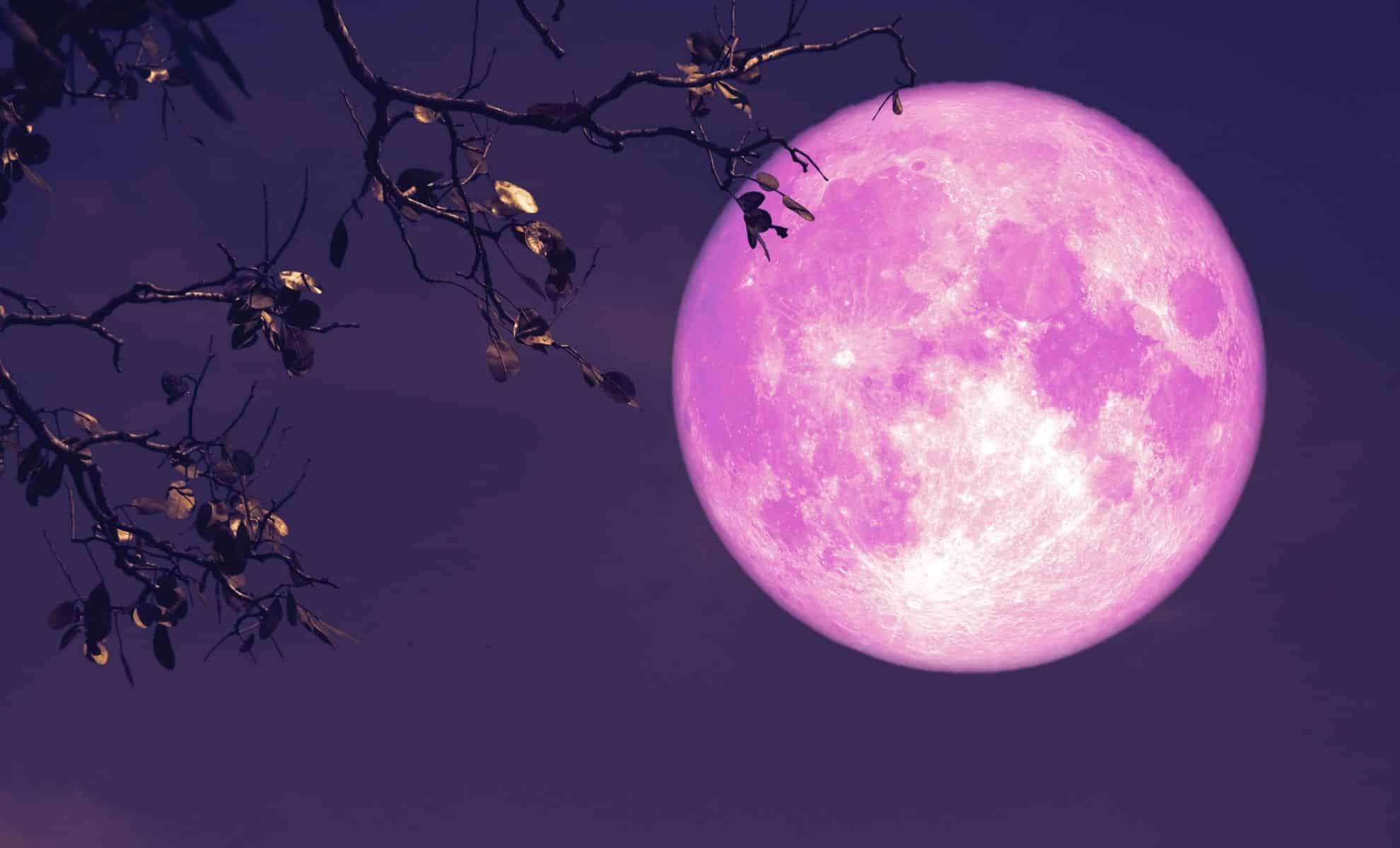
On Saturday, April 12, sky-watchers across the U.S. will have the opportunity to observe the enchanting Full Pink Moon, signaling the onset of spring and playing a vital role in the timing of Easter celebrations. Referred to as the Paschal Moon, this is the first full moon of the season, setting the calendar for Easter Sunday each year. Despite its floral-inspired name, the Pink Moon does not exhibit a pink glow; it is named after the moss pink or creeping phlox, a wildflower that bursts into bloom in early spring throughout North America. The Old Farmer’s Almanac reports that this tradition of naming the moon after seasonal flora has been recorded for centuries, rooted in the natural link between the flower’s blooming and the lunar event.
The Full Pink Moon holds profound symbolic meaning, representing themes of renewal, growth, and spiritual rebirth. Both Christian and pagan cultures honor this moon as a signifier of seasonal transformations, harmonizing lunar cycles with nature’s unfolding rhythms.
Timing and Viewing Tips for the Full Pink Moon
The Pink Moon will be at its brightest on Saturday, April 12, 2025, at precisely 8:22 p.m. Eastern Daylight Time (EDT), which corresponds to 00:22 GMT on April 13, 2025. This lunar event will occur just before the Moon reaches apogee—the point in its orbit farthest from Earth—at 6:49 p.m. EDT on April 13, thereby classifying it as a micromoon. As a result, it may appear somewhat smaller and less luminous than a typical full moon.

For an optimal viewing experience, find a location with a clear, unobstructed eastern horizon. The moon will rise in the east, and as it ascends, you may witness the intriguing Moon illusion, an optical effect that makes the Moon appear unusually large near the horizon, despite its actual size. Although this full moon is a micromoon, this illusion will enhance its visual impact, making the event truly spectacular.
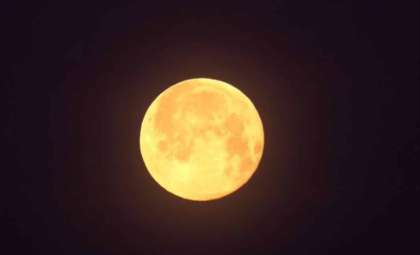
If the sky remains clear, viewers might also notice a warm, golden glow as the moon ascends, adding to the spectacle’s allure.
How the Pink Moon Influences the Date of Easter
One of the remarkable features of the April Full Pink Moon is its role in determining Easter’s date. Known as the Paschal Moon, it signals the season’s first full moon. In Christian tradition, Easter is celebrated on the first Sunday following this moon. Since the Paschal Moon always occurs in spring, it ensures Easter falls in consonance with seasonal changes.
The Pink Moon is integral to the ecclesiastical lunar calendar employed to calculate Easter. Because Easter depends on the first Sunday after the initial full moon post-spring equinox, its date varies yearly. In 2025, Easter lands on April 13, the day after the Pink Moon peaks. This celestial event reflects ancient customs that recognized lunar phases as guiding markers in religious rites and agricultural cycles.
For numerous cultures, the full moon embodies a spiritual shift. Full moon nights are traditionally associated with rituals, prayers, and sacred ceremonies. The Christian connection between the Paschal Moon and Easter evokes powerful themes of resurrection, renewal, and hope.
The Origin of the Name Pink Moon
The designation Pink Moon is more poetic than literal. While it conjures images of a rosy-hued orb, the moon itself will appear as bright and silvery as any full moon. The name is derived from Phlox subulata, commonly known as moss pink, a wildflower that blooms in early spring. Its vivid coloration is tied to the season’s resurgence of life, coinciding with the timing of this lunar phase.
The Old Farmer’s Almanac along with other cultural traditions assign symbolic names to full moons, each highlighting different natural phenomena or seasonal milestones. Among Native American tribes, names like the Breaking Ice Moon and Frog Moon reflect environmental transformations such as melting ice or the reappearance of frogs, illustrating the intimate link between moon phases and nature’s cycles.
- Categories:
- News









0 comments
Sign in to Comment