
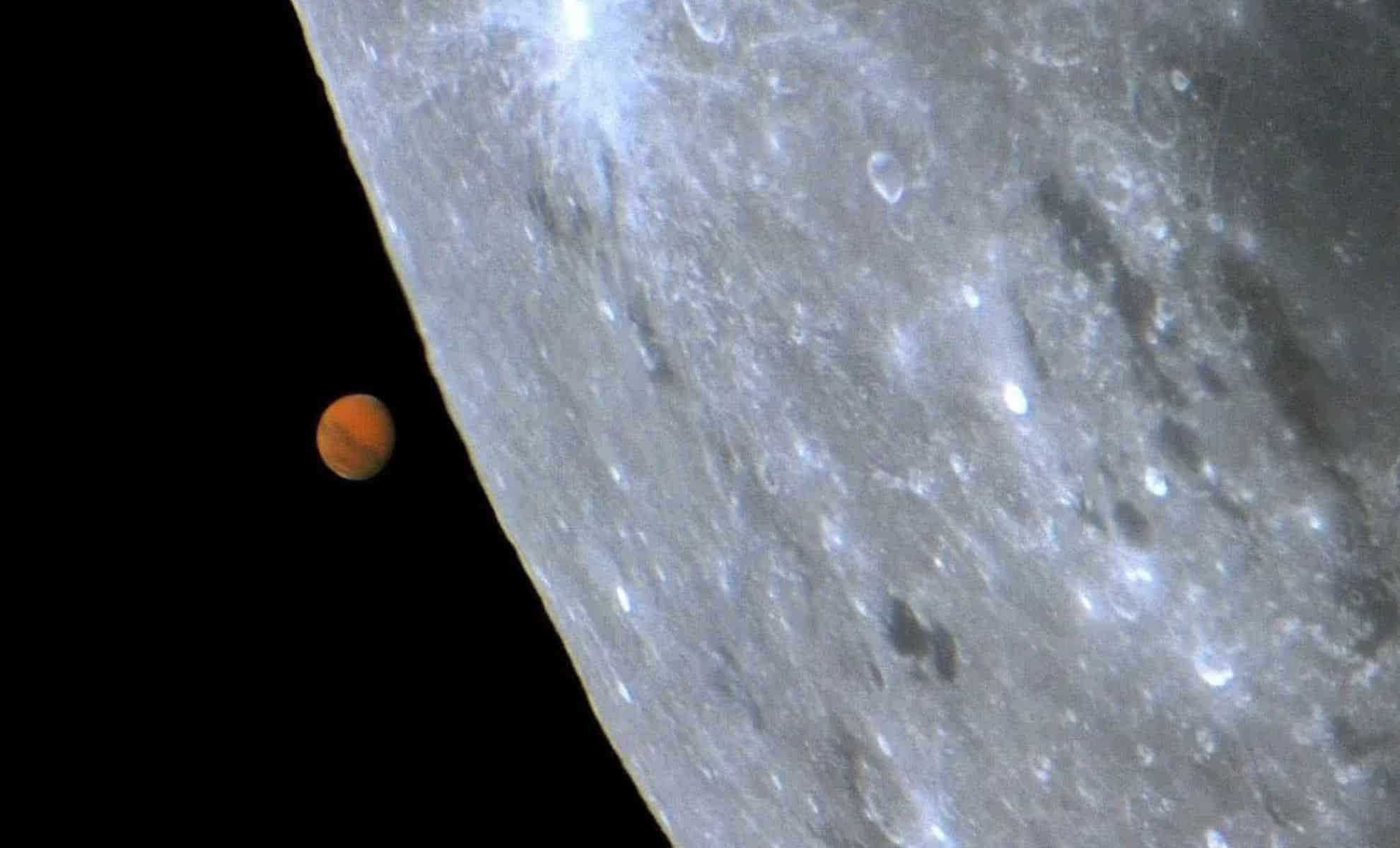
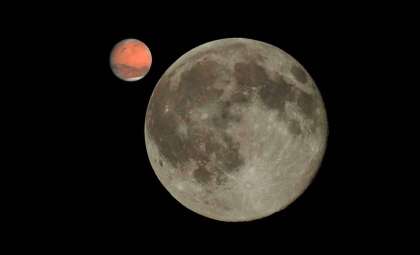
Skywatchers in the United States and nearby regions are in for a breathtaking treat as the full moon will soon glide over the bright Red Planet, momentarily hiding it from view. This lunar occultation of Mars creates a captivating alignment where the two appear nearly fused in the night sky, observable with the naked eye and spectacular through telescopes or binoculars.
Happening as Mars reaches peak brightness and its closest distance to Earth, this event promises to be one of the year’s most remarkable astronomical spectacles.
Understanding the Lunar Occultation of Mars
A lunar occultation occurs when the moon’s orbit carries it directly between Earth and another celestial object. In this case, Mars will momentarily disappear behind the moon for several hours while moving across the sky. These occasions are uncommon and particularly striking when involving bright planets like Mars.

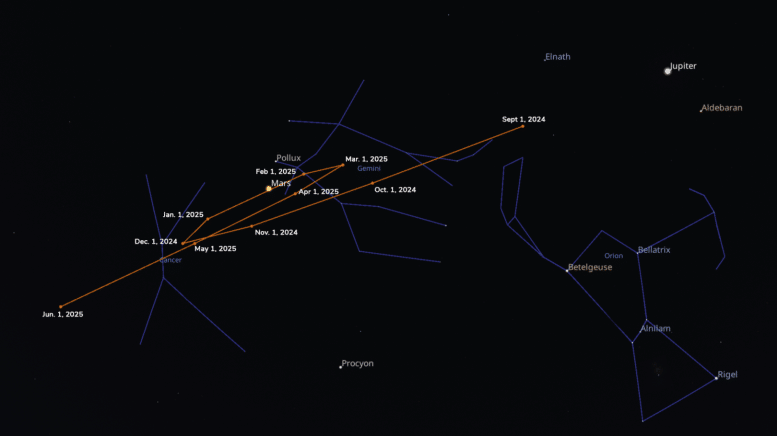
This specific occultation is especially significant as it coincides with Mars’ opposition—when the planet stands opposite the sun in our sky. At this time, Mars shines brilliantly and appears larger, creating an exceptional viewing experience even without optical aids.
Viewing Times and Locations
The occultation will be observable across large parts of the U.S. as well as sections of Canada, Mexico, and Western Africa. Mars will vanish behind the moon’s southern limb and re-emerge near its northern limb during an interval lasting about four hours.
Viewing times will vary by region, with Mars beginning to disappear soon after sunset for most observers. Websites like In-the-Sky.org offer customizable tools to determine exact timings based on your location.
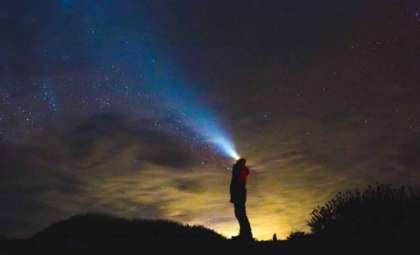
To enhance visibility, it’s advisable to find a dark-sky spot away from city lights. If direct viewing isn’t possible, several observatories and astronomy organizations provide live video streams of the event.
Tips to Enjoy the Phenomenon
While Mars emerges as a vividly reddish dot visible without aid, binoculars or telescopes will greatly enrich the experience. These will reveal detailed features on Mars such as its polar ice caps and the expansive Valles Marineris, the solar system’s largest canyon.
The moon’s cratered surface will also create a striking contrast alongside Mars’ glowing presence. Arriving early to your chosen viewing site helps your eyes adjust to the darkness, ensuring the best observation conditions.
Significance of the Event
Lunar occultations involving Mars visible in the U.S. are a rarity. This event will not be repeated until 2042, making it an extraordinary occasion. Upcoming occultations elsewhere or involving other celestial bodies won’t match this event’s visibility or timing.
Moreover, Mars’ opposition during the occultation enhances its brilliance and apparent size, turning this into a unique once-in-a-generation astronomical event.
Photographing the Event
Both amateur and professional astrophotographers can seize this chance to capture vibrant images. Utilizing a telescope equipped with a camera mount or DSLR paired with a telephoto lens yields optimal results. Steady shots require a tripod, and adjusting exposure helps balance the bright moonlight with Mars’ softer glow.
Even smartphone users can document the event by attaching their device to binoculars or a telescope. For those unable to watch in person, livestreams and online coverage will share the experience live.
- Categories:
- News







0 comments
Sign in to Comment