
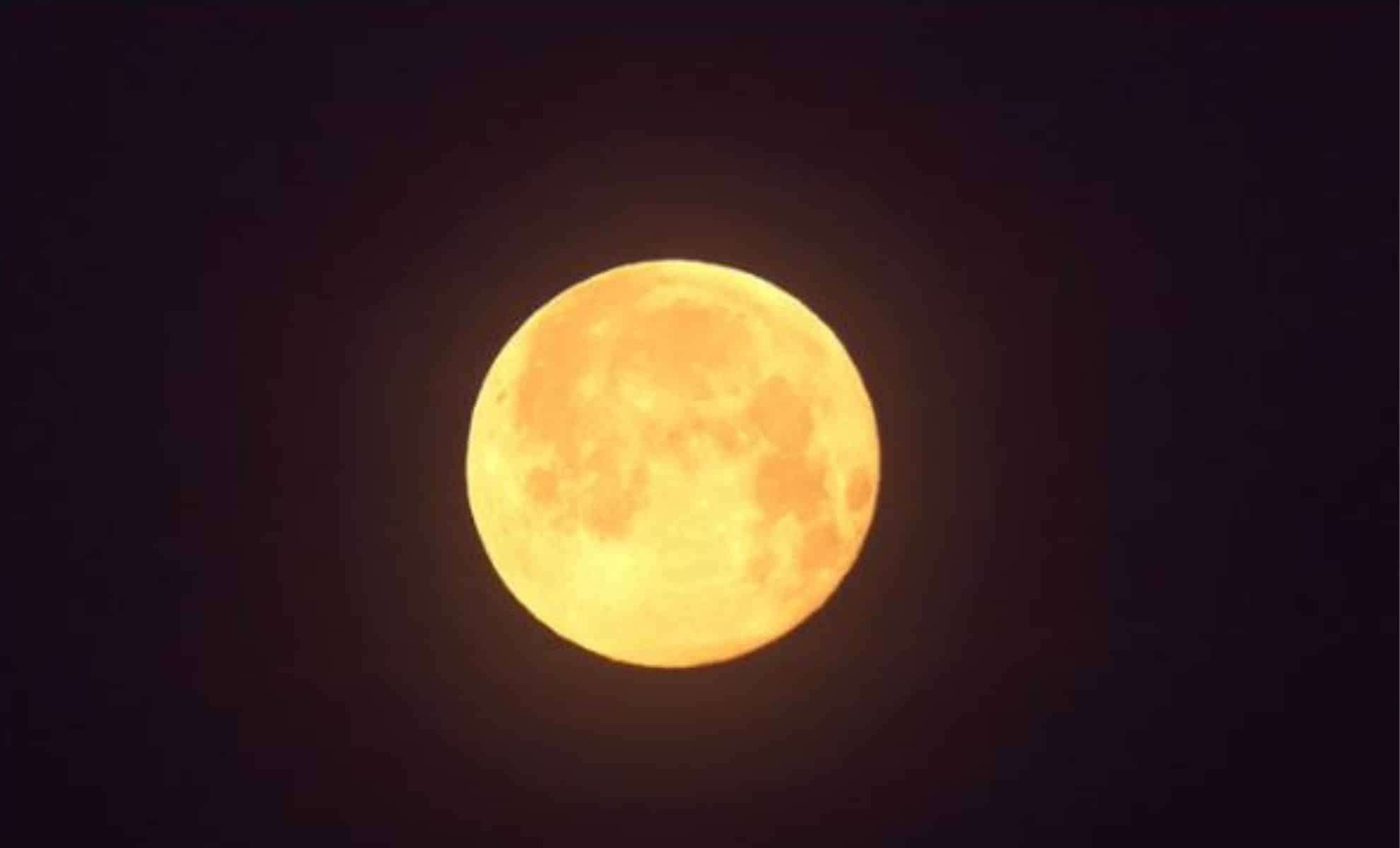
The Wolf Moon, heralding the year’s inaugural full moon, will grace the night sky this January, carrying with it a rich tapestry of cultural stories and natural beauty. Its name, inspired by the eerie howls of wolves echoing during the cold winter nights, evokes a sense of mystery and timelessness. As one of the most captivating lunar phases of the year, the Wolf Moon’s bright and steady glow highlights the serene winter landscape.
Although its title brings to mind mystical wolf calls, this lunar event offers more than just folklore; it invites us to observe the cyclical rhythms of nature that have shaped human traditions for millennia. Whether you’re an amateur sky watcher or a dedicated astronomer, the Wolf Moon in January presents a perfect occasion to appreciate the celestial rhythm and the natural world’s harmony.
When and Where to Spot the Wolf Moon
The Wolf Moon will reach its fullest brightness on Monday, January 13, at 5:27 p.m. EST. Its luminous presence will linger for about three days, offering a prime viewing window from Sunday evening through Wednesday morning when the moon will maintain its vivid glow.

Tips for Observing:
- Watch the eastern horizon at sunset: The moon will make its rise around dusk in the east, providing a stunning silhouette as it climbs into view.
- Peak radiance by midnight: Come midnight, the moon will be positioned high overhead, fully glowing and casting a shimmering light over the surroundings.
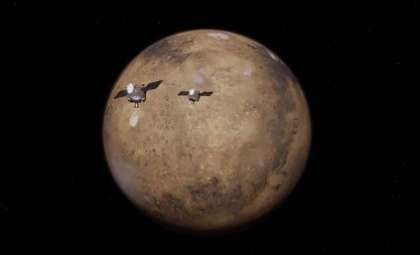
- Special highlight – Mars conjunction: On the night of the full moon, the moon will pass in front of Mars, an infrequent event visible across much of the continental United States.
Important Details:
What Distinguishes the Wolf Moon?
Each full moon has distinctive qualities tied to the season and tradition it represents. The Wolf Moon stands out as the year’s first full lunar phase, ushering in new beginnings under the stark winter skies. Its bright appearance against the cold, dark backdrop makes for a truly memorable spectacle.
More than just a visual landmark, the Wolf Moon symbolizes humanity’s enduring fascination with the heavens. Throughout history, full moons have guided planting cycles, inspired artworks, and marked the passage of time. The Wolf Moon, rich in legend and natural significance, embodies this deep cultural connection.
Looking Forward: The February Snow Moon
Following the enchantment of January’s Wolf Moon, the lunar calendar continues to offer awe with the Snow Moon, set to shine on Wednesday, February 12, 2025. Its name reflects the heavy winter snowfalls common across the Northern Hemisphere, symbolizing the steadfast nature of midwinter.
The Snow Moon brings its own narrative and cultural weight, standing for resilience and calm strength through the cold months. While softer in glow than the Wolf Moon, its quiet beauty remains captivating, granting observers another moment to admire the night’s wonders.
Whether you’re an experienced astronomer or someone who enjoys casual moon gazing, the Snow Moon presents a fresh chance to connect with the lunar cycle and the natural world. These lunar events highlight the ceaseless ebb and flow of the cosmos that have inspired generations.
Whether the Wolf Moon is your first lunar sighting this year or part of a cherished tradition, each full moon offers an invitation to step outside, embrace the crisp winter air, and marvel at the celestial light. Don’t forget to dress warmly and find a clear vantage point to fully savor these brilliant winter night spectacles. The upcoming Snow Moon promises a serene and equally enchanting experience for moon enthusiasts.
- Categories:
- News








0 comments
Sign in to Comment