
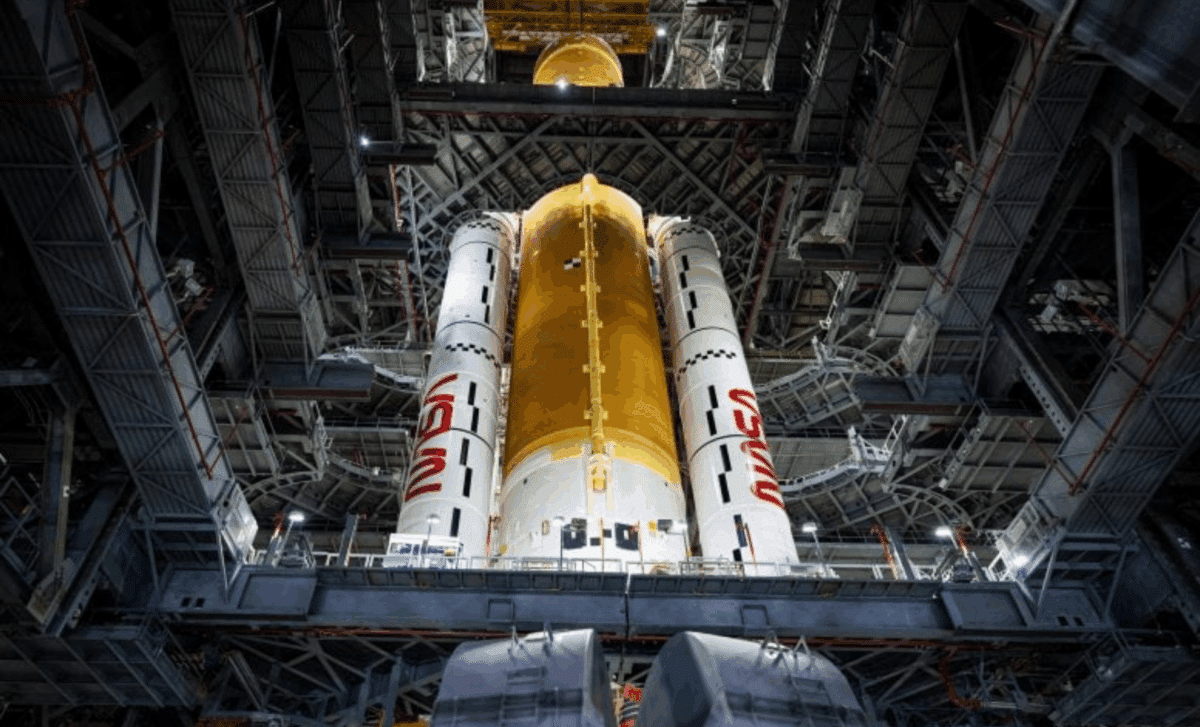
NASA recently accomplished a major achievement in the Artemis program by successfully assembling the Orion spacecraft atop the Space Launch System (SLS) rocket. With launch plans targeting February 2026, Artemis II will carry four astronauts on a lunar flyby mission, spearheading efforts to revive human presence on the Moon. Despite complications from the current government shutdown, NASA’s progress, as noted by Phys.org, underscores a strong renewed focus on advancing human spaceflight. This mission will rigorously test the spacecraft systems essential for upcoming lunar landings.
Artemis II: Pioneering the Next Phase of Cosmic Exploration
The Artemis initiative plays a crucial role in shaping humanity’s future in space, with Artemis II scheduled to send astronauts orbiting the Moon. As NASA gears up for this milestone flight in early 2026, Acting NASA Administrator Sean Duffy emphasized the mission’s importance, stating,
“Integration of SLS and Orion represents a major milestone in our progress on Artemis.”
Add Cosmo Herald as a Preferred Source

This mission is not only a technological feat but also a powerful symbol of America’s space leadership. Artemis II will deliver vital insights critical for ensuring the safety and success of future lunar missions aimed at returning humans to the Moon’s surface.
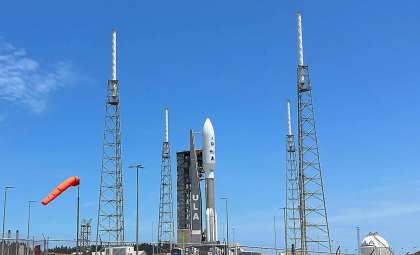
Measuring over 300 feet tall, the SLS rocket exemplifies cutting-edge aerospace engineering. It produces a massive 8.8 million pounds of thrust designed to transport astronauts beyond Earth’s orbit. The careful joining of the Orion capsule to the SLS at Kennedy Space Center marks a significant step forward. According to Phys.org , this milestone advances the Artemis program’s vision of creating a persistent human presence on the Moon.
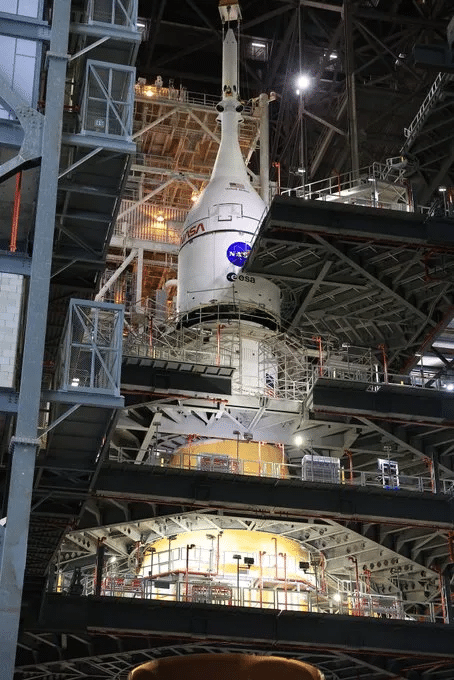
SLS: The Powerhouse Behind Artemis
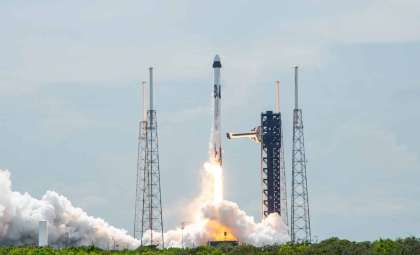
Central to NASA’s lunar ambitions is the Space Launch System (SLS), an innovative rocket built to ferry astronauts beyond Earth. Standing 322 feet tall, this launch vehicle boasts the most powerful propulsion system ever constructed, essential for missions to the Moon, Mars, and further. Equipped with four RS-25 engines derived from the Space Shuttle and twin solid rocket boosters, the SLS delivers an extraordinary 8.8 million pounds of thrust at liftoff, ranking it as the most powerful rocket currently in operation.
“The full stack of Orion on the SLS is a truly spectacular sight,” said Robert Lightfoot, president of Lockheed Martin Space. “Our teams have been working tirelessly to finalize these last steps and ensure Orion takes the crew to the Moon and brings them home safely.”
Final checks on power systems, data links, and umbilical connections are underway as NASA prepares for Artemis II. This integration phase is critical for guaranteeing mission success and paving the path for sustainable human ventures into deep space.
A Defining Chapter in Human Lunar Exploration
The Artemis II mission symbolizes a monumental return to manned lunar exploration not seen since Apollo 17 over half a century ago. Since then, spaceflight technologies have advanced substantially. This mission will validate critical technologies, systems, and human factors essential for future sustainable missions, including eventual voyages to Mars. Artemis II charts a course toward long-lasting human space habitation beyond Earth.
“Whatever one can get us there first to the Moon, we’re going to take,” said Duffy.
This practical stance highlights NASA’s adaptability and unwavering dedication to meeting exploration goals amidst a dynamic space environment. Ultimately, the Artemis program aims not only to revisit the Moon but also to establish a foundation for humanity’s expansion across the solar system.
- Categories:
- News







0 comments
Sign in to Comment