
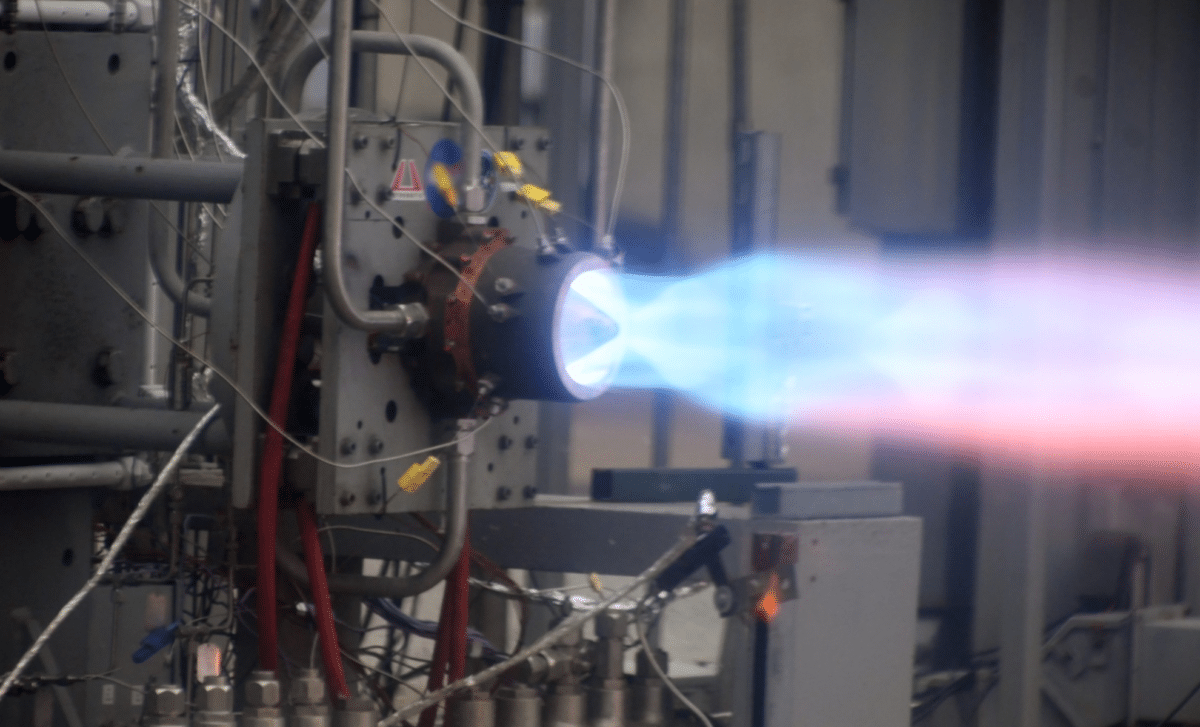
Astrobotic has achieved a significant advancement by successfully testing its innovative Chakram rotating detonation rocket engine, sustaining a continuous 300-second burn at NASA’s Marshall Space Flight Center. This accomplishment marks a major step forward for cutting-edge space propulsion technology.
A Pioneering Engine Design Proves Its Longevity
Rotating detonation rocket engines (RDREs) have been a tantalizing prospect for many years, yet practical challenges have often hindered their development. Unlike traditional rocket engines that use steady combustion, RDREs utilize a constantly circulating detonation wave that produces elevated pressure and enhanced efficiency. This mechanism promises increased thrust alongside lower fuel use and lighter engine weight, vital benefits for missions where mass restrictions are critical.
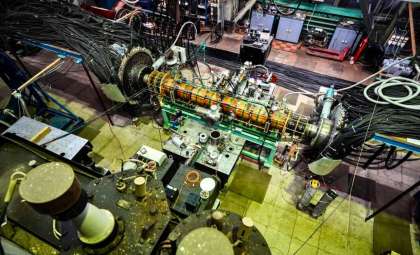
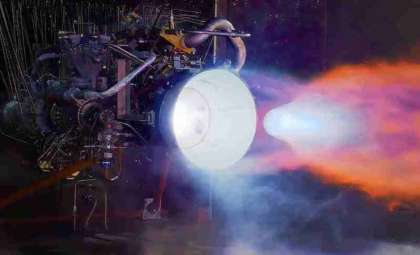
In the recent series of tests led by Astrobotic, two Chakram prototypes successfully operated over multiple runs, accumulating a combined runtime exceeding 470 seconds. The highlight was an uninterrupted 300-second firing—among the longest ever recorded—which confirmed the engine's stable operation with no obvious wear, overcoming longstanding concerns about the durability of RDREs during extended burns.

“Chakram more than exceeded our expectations,“ said Bryant Avalos, Astrobotic’s Principal Investigator for Chakram. “Demonstrations like this show how RDRE technology could support a wide range of Astrobotic missions, from propulsion on future lunar landers to in-space orbital transfer vehicles, and other capabilities that will help expand operations throughout cislunar space.”
These achievements indicate that RDREs are transitioning from brief experimental firings to dependable, sustained operation, paving the way for their integration into upcoming space missions.

Unprecedented Endurance Highlights Progress Toward Flight Application
The tests conducted at NASA’s Marshall Space Flight Center in Huntsville, Alabama, serve as critical validation for RDRE technology. Each Chakram engine delivered over 4,000 pounds of thrust while achieving steady thermal conditions, demonstrating the engine’s capacity to operate continuously without instability or overheating issues.
This marks a remarkable improvement over previous RDRE trials, which often faced difficulty in maintaining stable detonations over long durations. The simultaneous attainment of high thrust and combustion stability has been a significant obstacle, and Astrobotic’s results showcase meaningful breakthroughs in this area.
“The 300-second burn was the cherry on top,“ Avalos remarked.
Maintaining such a prolonged burn without system damage supplies engineers with invaluable insights into heat management, structural durability, and combustion behavior—crucial data for advancing engine refinement, including throttling control and regenerative cooling techniques.
This initiative, driven by Astrobotic with NASA’s support, exemplifies how continuous testing paired with modern manufacturing methods is transforming conceptual propulsion designs into realistic systems.
From Concept to Real-World Lunar and Orbital Applications
The impact of this development extends well beyond laboratory demonstrations. Chakram is being tailored for future applications such as integration with Astrobotic’s enhanced Griffin lunar lander designs, as well as potential deployment in reusable launch systems and orbital transfer vehicles servicing cislunar space.
One key enabler in this progress is the use of advanced manufacturing technologies like tunable porosity metal additive manufacturing. This technique allows precise optimization of internal engine components to enhance thermal regulation and combustion stability, both essential for RDRE operation.
“Demonstrations like this show how RDRE technology could support a wide range of Astrobotic missions, from propulsion on future lunar landers to in-space orbital transfer vehicles, and other capabilities that will help expand operations throughout cislunar space.”
Such adaptability positions RDREs to become foundational propulsion technology for future space infrastructure, where efficiency and engine reusability are paramount.
Growing Competition Drives RDRE Technology Closer to Reality
Astrobotic is part of a competitive field racing to advance RDRE technology. Companies like Venus Aerospace have already conducted flight-level demonstrations, marking early progress beyond ground testing. This surge in activity suggests RDRE development is accelerating and becoming more commercially viable.
The Chakram’s latest successful test reinforces the view that RDREs are nearing the threshold between experimental concepts and operational engines. Continued optimization of performance and mass reduction will further support their readiness for real mission deployment.
What was once primarily theoretical is now being proven through extended testing, bringing this next-generation propulsion class into sharper focus. If advancements persist, RDREs could soon redefine spacecraft propulsion for Earth-to-Moon travel and beyond.
- Categories:
- News




0 comments
Sign in to Comment