
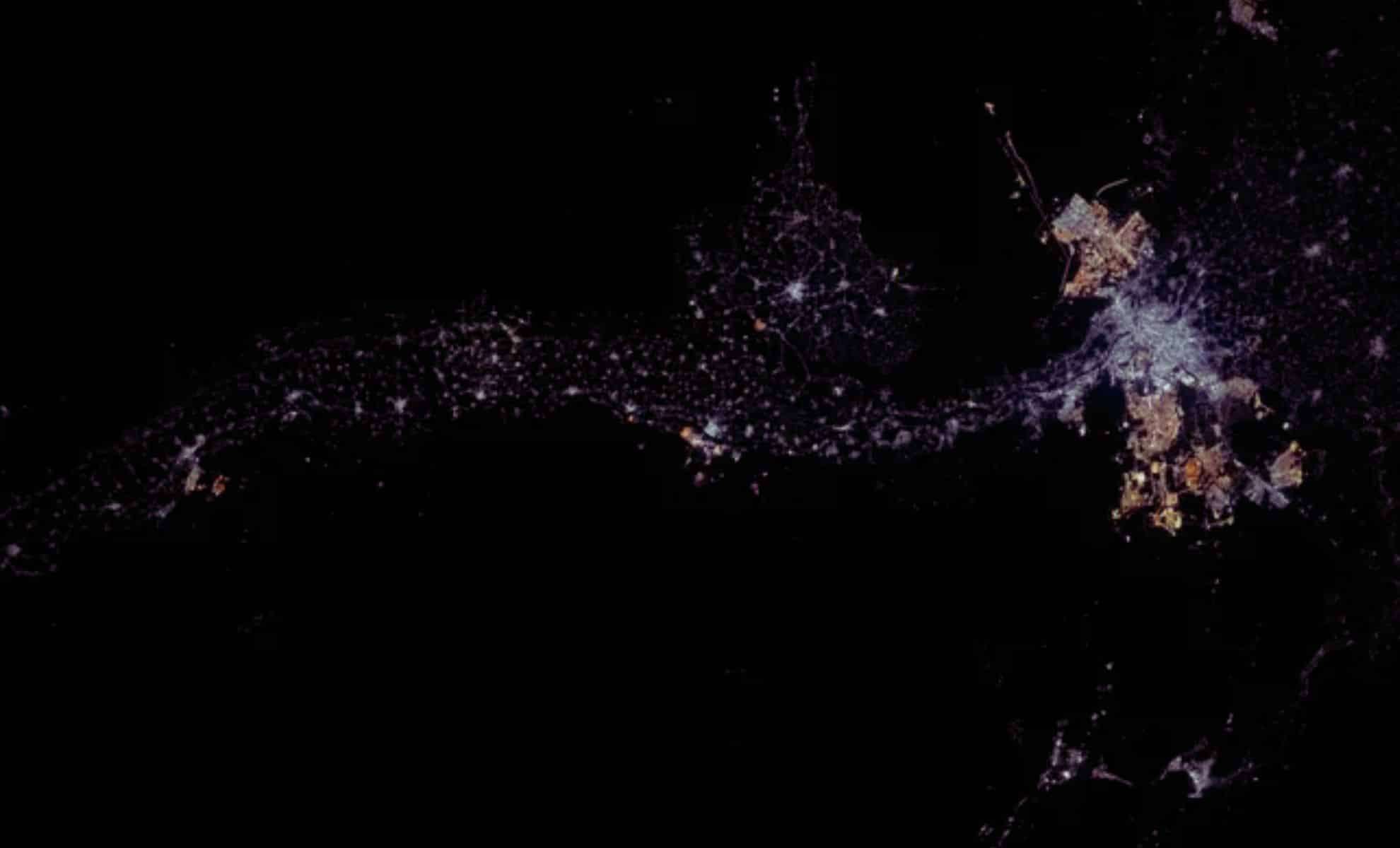
A remarkable photo snapped by an astronaut aboard the International Space Station on August 26, 2025, reveals the Nile River glowing brilliantly as it winds through Egypt’s terrain. Highlighted as Space.com’s “Photo of the Day,” this image offers a spectacular glimpse of the longest river on Earth from orbit.
The Nile River: Egypt’s Vital Waterway
Renowned as the cornerstone of Egypt’s civilization, the Nile has been essential to the region’s survival and prosperity. Each year, its flooding left fertile silt deposits spreading across its banks, transforming the otherwise desert land into arable farmland. This natural rhythm enabled ancient societies to flourish, erect cities, sacred temples, and trade routes along the river. Beyond agriculture, the Nile has shaped Egypt’s political and cultural fabric for thousands of years. Presently, the river still sustains millions, supplying water for consumption, irrigation, and hydroelectric power generation.
Viewing Egypt from space underscores the Nile’s crucial role. The ISS photo showcases the river’s winding trail punctuated by luminous urban centers, with Cairo radiating vividly at the river’s delta. This illumination symbolizes not just human settlement growth but the enduring importance of the Nile in today’s world. From ancient times through the present, this river remains central to Egyptian heritage, connecting history with modern life.

City Lights Along the Nile: Tracking Expansion from Minya to Cairo
The image captured from the ISS presents a clear view of how urban areas have developed along the Nile. Stretching from Minya to New Bani Sewf City, clusters of lights mark the continuous growth of cities nestled beside the riverbanks. Dominating this scene is bustling Cairo, shining boldly at the Nile’s mouth. This picture depicts the striking contrast between the steady flow of nature and the rapid development of human habitats alongside it.
The Nile has been a consistent feature in Egypt’s landscape, but the modern urban hubs lining its course tell a tale of extensive population increase and accelerated urbanization. With Egypt’s population rising sharply in recent years, pressures on water, land, and energy resources have intensified. Cities have expanded outward, encroaching upon previously undeveloped regions. From this vantage point in space, one can appreciate how human expansion closely follows the river’s contours, emphasizing the intricate relationship between natural systems and human activity. The Nile’s role remains pivotal, though increasing urban demands pose significant challenges for sustainable water use.
Monitoring Egypt’s Transformation Through ISS Imagery
What makes this image particularly compelling is how it fits into an ongoing record of change along the Nile. Photographs taken by the ISS over time help document the evolution of Egypt’s urban environment. As the nation’s population continues to climb, new urban zones will likely emerge along the river, making satellite imagery an essential tool for observing growth patterns. This data aids researchers, planners, and environmental advocates in understanding the impact of human activity on the landscape.
Moreover, ongoing ISS observations provide valuable insights into both natural and anthropogenic changes unfolding over the years. With rapid urban expansion, tracking environmental effects becomes critical, especially in water-scarce regions like Egypt. Beyond capturing the Nile’s stunning nocturnal beauty, these images serve as a powerful reminder of the urgent need to balance development with environmental stewardship.
- Categories:
- News












0 comments
Sign in to Comment