
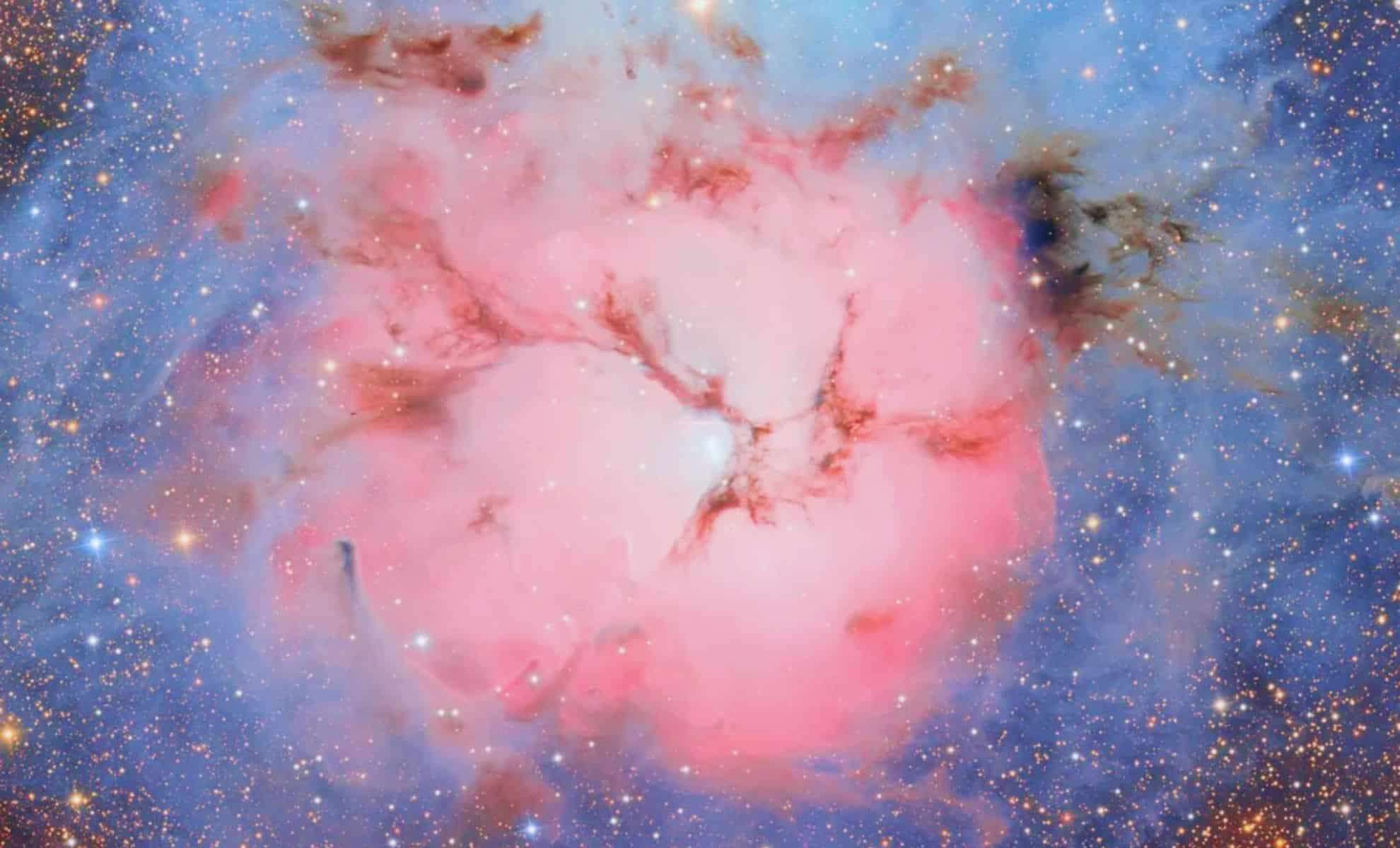
Vera C. Rubin Observatory has released its inaugural detailed image of the universe, showcasing an exquisite view of the Trifid Nebula (Messier 20), positioned approximately 5,000 light-years away in the constellation Sagittarius. This mesmerizing image, unveiled in June 2025, was produced using the observatory’s revolutionary Legacy Survey of Space and Time (LSST) Camera, known for capturing space imagery with unmatched resolution.
Composed from 664 exposures taken across four nights in May 2025, the image highlights the nebula’s complex patterns and vivid hues—spanning from rich pinks to delicate blues—that represent distinct properties of the nebula’s makeup. The exceptional sharpness of this photograph is anticipated to serve as a fundamental resource for future astronomical investigations, as the Rubin Observatory undertakes a decade-long survey of the Southern Hemisphere’s night sky. This detailed portrayal of the Trifid Nebula marks just the start of many extraordinary cosmic discoveries ahead.
The Trifid Nebula: A Celestial Masterpiece
The Trifid Nebula captivates with its remarkable segmentation, dividing it into three distinct regions that inspire its Latin name, meaning "three-lobed." This nebula is a vast cloud of gas and dust integral to the process of star formation, drawing intense attention from scientists. The pink sections are areas of emission nebula, where ionized gases glow due to energetic radiation from young stars. Conversely, the blue areas are reflection nebulae, where starlight is scattered by dust, creating a luminous glow similar to streetlights piercing through mist.

Dark regions within the nebula correspond to dark nebulae and dense dust lanes that block light, helping to partition the nebula into its three main portions, clearly visible in this high-resolution image from the Rubin Observatory. These segments foster active star formation, fueled by intense radiation and gravitational forces. The newborn stars illuminate their surroundings and shape the nebula’s gas and dust, crafting the stunning textures observed.
Transforming Astronomy with the Vera C. Rubin Observatory
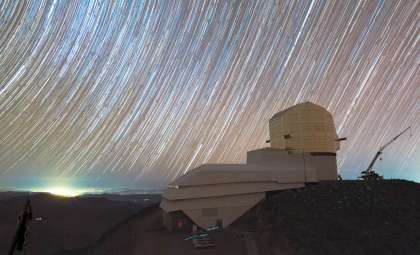
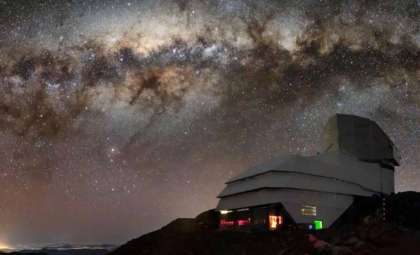
Located in Chile, the Rubin Observatory boasts the world’s largest digital camera, enabling rapid capture of ultra-high-resolution images. The LSST Camera offers an extraordinary 3,200-megapixel resolution, allowing the observatory to photograph vast portions of sky every few days. This capability facilitates the creation of a comprehensive and constantly updated celestial survey. Over the next ten years, the data accumulated by the observatory is set to outpace all previous optical astronomical records combined.
This mission extends beyond studying distant cosmic landmarks like the Trifid Nebula; it will also uncover numerous asteroids, supernovae, and near-Earth objects that pose potential hazards. Impressively, during only its first week online, the facility identified more than 2,100 previously unknown asteroids. By capturing each region of the sky up to 800 times, the observatory ensures that transient cosmic events are documented and monitored meticulously throughout the Southern Hemisphere.
The Dawn of a New Chapter in Space Research
The first glimpse of the Trifid Nebula signals the beginning of a dynamic period in space exploration. The Vera C. Rubin Observatory is ushering in discoveries that will broaden and deepen our understanding of the cosmos. Its decade-long survey aims to tackle major astronomical puzzles, including the nature of dark matter, origins of cosmic phenomena, and detection of new celestial bodies.
Thanks to its cutting-edge imaging technology, the observatory plays a vital role in tracking near-Earth objects (NEOs), equipping scientists to forecast and mitigate asteroid or comet threats. Discoveries made here will be crucial for the advancement of space science and planetary defense efforts.
Unlocking Cosmic Secrets With the LSST Camera
The LSST Camera, installed on the Simonyi Survey Telescope, is the cornerstone of the Rubin Observatory’s exceptional capabilities. This sophisticated device captures highly detailed snapshots of the night sky, revealing objects previously invisible to conventional telescopes. Its vast field of view enables rapid imaging of expansive sky areas, making it among the most potent observational instruments in astronomy today. The spectacular image of the Trifid Nebula is a prime example of the camera’s power to unveil the universe’s wonders. These rich datasets will empower astronomers to monitor celestial objects’ changes across time, deepening insight into their evolution and dynamics.
With this groundbreaking technology, the Rubin Observatory is poised to greatly expand humanity’s cosmic knowledge. By producing an extensive, time-lapse sky survey, the project will deliver invaluable data on diverse phenomena— from stellar nurseries to distant galaxy motions—and significantly contribute to space science and Earth’s protection for years to come.
- Categories:
- News


0 comments
Sign in to Comment