
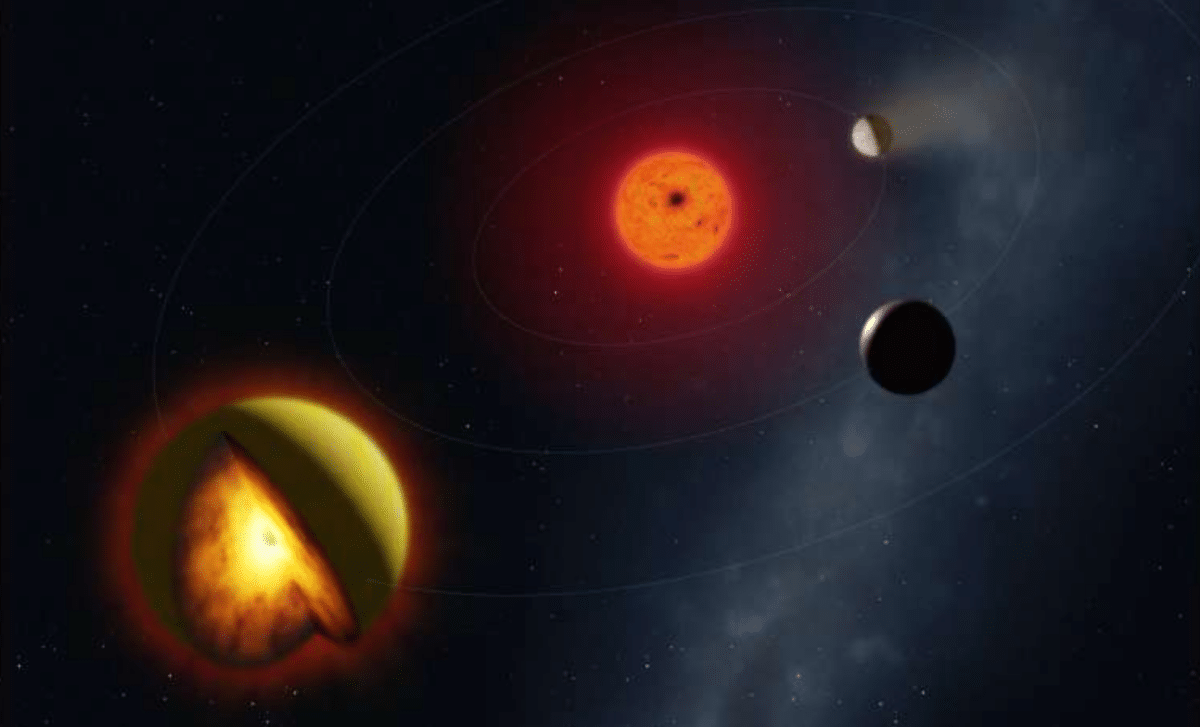
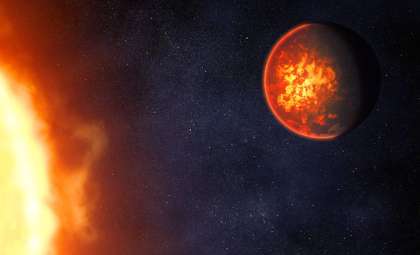
Researchers have identified an extraordinary type of exoplanet that challenges existing planetary classification schemes. A pioneering paper featured in Nature Astronomy, led by scientists from the University of Oxford, introduces L 98-59 d, a distant world characterized by a persistent molten surface and an extensive sulfur reservoir within its interior. This remarkable finding broadens our perspective on planetary formation and showcases the incredible variety of planets beyond our solar system.
Exploring the Peculiar Features of L 98-59 d
Situated roughly 35 light-years away, L 98-59 d exhibits a set of distinctive characteristics. At approximately 1.6 times Earth's size, this planet defies neat categorization into the usual classes of small exoplanets. Instead of fitting the typical rocky, gas-rich, or water-laden labels, it represents a novel category abundant in sulfur and boasting a molten crust.
What sets L 98-59 d apart is its remarkably low density and its unusual atmospheric composition. Data from the James Webb Space Telescope (JWST) detected sulfur compounds, including hydrogen sulfide—a gas notorious for its rotten egg odor. These observations suggest continuous interactive processes between the planet’s fiery interior and its dense atmosphere.

A Vast Magma Ocean Influencing Atmospheric Chemistry
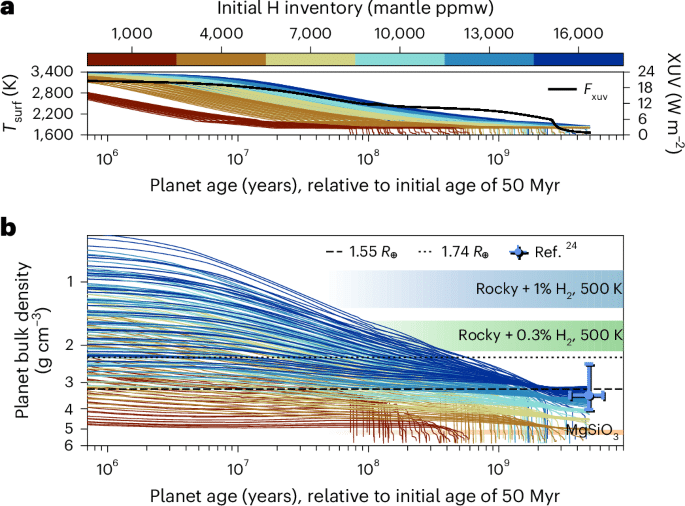
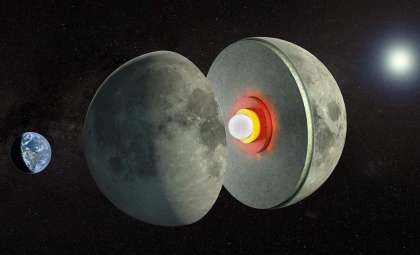
Utilizing sophisticated computer modeling, scientists traced the evolution of L 98-59 d across nearly five billion years. The study, available in Nature Astronomy, reveals the planet’s mantle as a molten silicate layer analogous to Earth's lava, containing a widespread magma ocean extending thousands of kilometers underground. Such a colossal magma domain enables the retention of substantial sulfur quantities, despite the intense X-ray radiation from its parent star that would typically strip gases from an atmosphere.
This massive subsurface magma layer is crucial in maintaining the planet’s sulfur-rich gaseous envelope, regulating the release of sulfur-bearing gases like hydrogen sulfide. The distinctive nature of L 98-59 d's atmosphere disputes earlier theories on how exoplanet atmospheres dissipate. As Dr. Harrison Nicholls from the University of Oxford commented,
“This discovery suggests that the categories astronomers currently use to describe small planets may be too simple.”
Simulating L 98-59 d’s Hidden Interior
A compelling element of this research lies in the computational reconstruction of the planet’s internal composition, given that direct exploration is impossible. Professor Raymond Pierrehumbert, a co-author from the University of Oxford, explained,
“What’s exciting is that we can use computer models to uncover the hidden interior of a planet we will never visit… and discover types of planets with no equivalent in our own solar system.”
Through simulations of various planetary processes, the team revealed the complex chemical exchanges between L 98-59 d’s molten core and atmosphere. Their models indicate that the planet likely started as a larger, volatile-rich body. Over billions of years, it cooled and contracted, losing some of its atmosphere yet preserving a unique sulfur-based gaseous layer thanks to the deep magma ocean’s storage capacity.
Implications for Exoplanet Diversity and Habitability
Although L 98-59 d probably cannot sustain life, its revelation significantly broadens the known spectrum of planetary types. This hints at many more diverse celestial bodies awaiting discovery, potentially guiding future research into environments suitable for life beyond Earth. As Dr. Harrison Nicholls remarked, “We may then ask: what other types of planet are waiting to be uncovered?”
For astronomers, this finding is a reminder of the universe’s vast complexity and the depth of knowledge still to be gained about planet formation and evolution. Dr. Richard Chatterjee from the University of Leeds noted, “Our computer models simulate various planetary processes, effectively enabling us to turn back the clock and understand how this unusual rocky exoplanet, L 98-59 d, evolved.”
- Categories:
- Astronomy






0 comments
Sign in to Comment