
NASA’s Curiosity Rover has unveiled remarkable features on Mars, including puzzling spiderweb-like rock patterns and concealed sulfur crystals. These discoveries emerged from Curiosity’s investigation of the Gediz Vallis channel at Mount Sharp’s base, shedding light on the Red Planet’s geological and environmental evolution. Since landing in 2012, the rover has been capturing extensive panoramic views before moving toward a distinctive geological structure known as the boxwork.
These findings emphasize the distinctive natural forces that shaped Martian terrain and offer critical evidence about Mars’ transformation from a watery world to its current dry state.
Decoding the Spiderweb-Like Rock Ridges on Mars
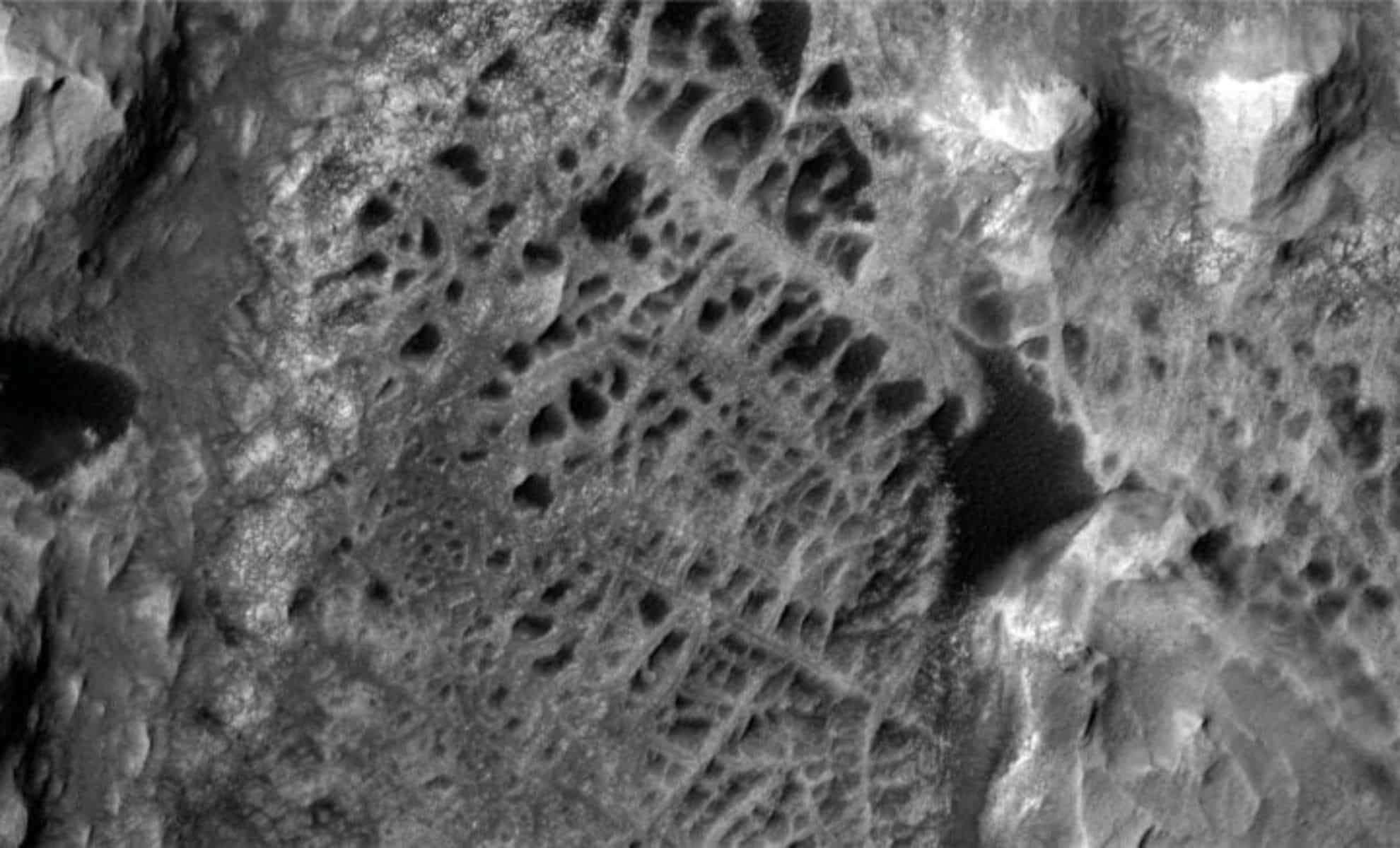
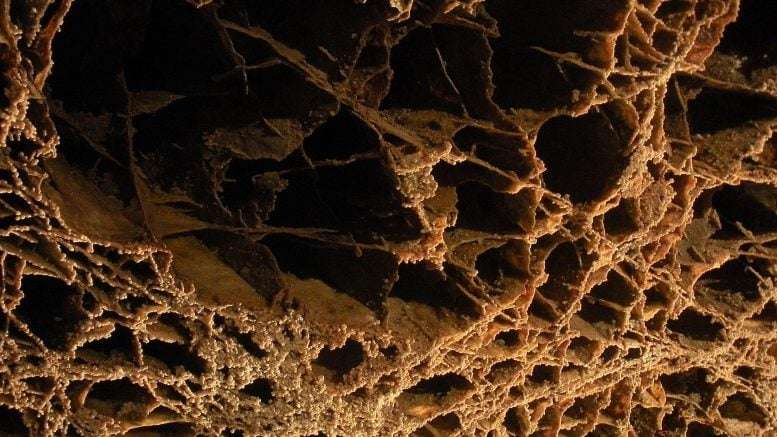
The next target for Curiosity is the boxwork formation, which features interconnected ridges resembling a spiderweb stretched across the Martian surface. Researchers believe these patterns resulted from mineral deposits left by residual water that once seeped through fractures in Mount Sharp. As the water evaporated, minerals solidified, creating these intricate webbed structures.

On Earth, similar boxwork formations occur within caves and cliffs, but Mars’ examples are extraordinary in scale, covering between 10 and 20 kilometers. Dr. Kirsten Siebach from Rice University highlighted their importance: “These ridges contain minerals formed underground, places where temperatures were warmer and salty waters circulated. Early microbial life on Earth might have survived under similar conditions, making this site particularly compelling for exploration.”
By analyzing these natural patterns, scientists aim to reconstruct Mars’ ancient environmental conditions and assess whether microbial life could have once thrived.
Clues of Past Water Activity in Gediz Vallis
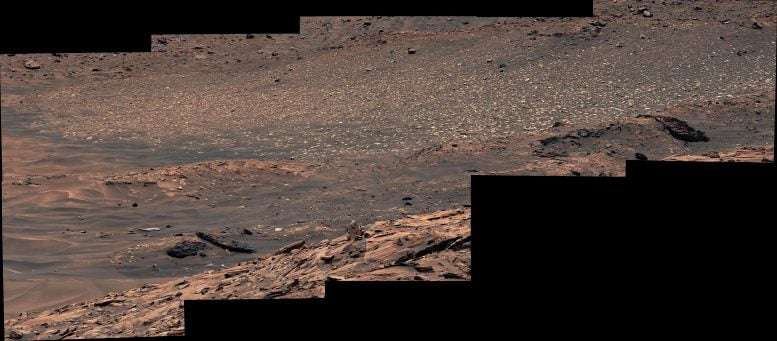
Before investigating the boxwork, Curiosity spent over a year scrutinizing the Gediz Vallis channel, capturing a full 360-degree view of this area. Scientists believe this location witnessed final episodes of flowing water, offering valuable insight into Mars’ environmental shift toward arid conditions.
The region exhibits signs of ancient streams, debris movements, and avalanches, all of which have shaped the landscape. Researchers are piecing together a sequence of these events to better understand how water sculpted Mars during the planet’s last habitable phases.
Unveiling Sulfur Crystals on the Martian Surface
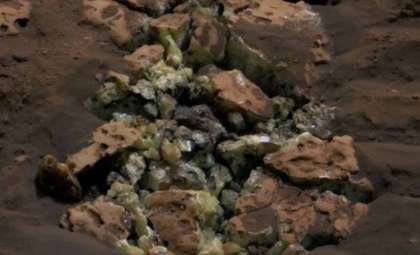
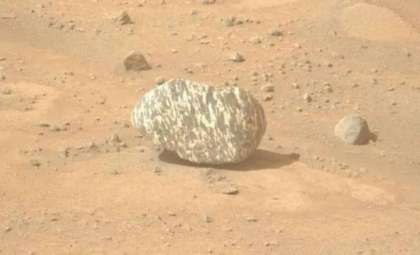
Among the most striking findings was a broad field of sulfur-rich stones, a feature not previously spotted by NASA’s Mars Reconnaissance Orbiter. When Curiosity crushed some of these stones, bright yellow crystals appeared, later confirmed to be composed of pure sulfur. On Earth, sulfur crystals usually indicate volcanic or hydrothermal origins.
The genesis of these sulfur stones remains a mystery, as no volcanic evidence has surfaced in the surrounding area. Dr. Ashwin Vasavada, lead scientist for Curiosity, commented on the intriguing discovery: “We have collected extensive data, and now face an exciting puzzle to decipher.”
This find prompts new research into the chemical and geological processes that have influenced Mars well after its surface waters disappeared.
- Categories:
- Astronomy ,
- Nasa








0 comments
Sign in to Comment