
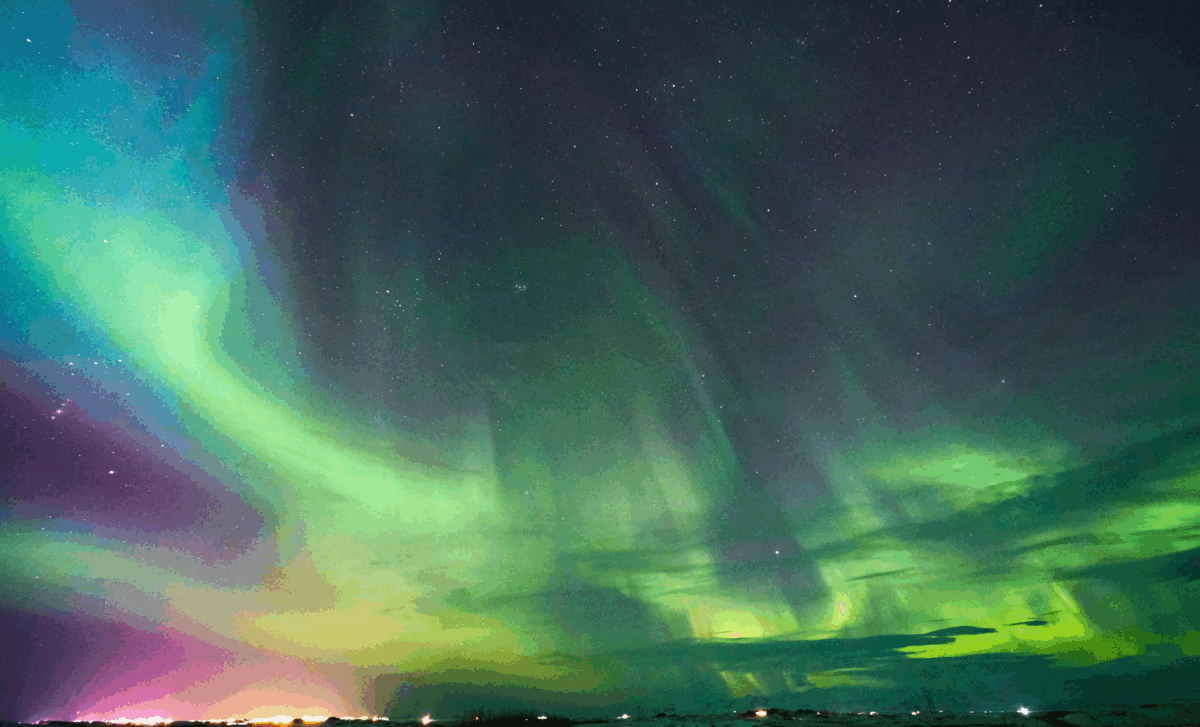
An uncommon solar phenomenon might illuminate the night across several U.S. regions. After an impressive auroral display earlier today, another surge of northern lights is anticipated on November 12. Given favorable conditions, millions in nearly twenty states could witness one of nature’s most stunning spectacles.
A Solar Storm Approaches
The National Oceanic and Atmospheric Administration (NOAA) reports that a coronal mass ejection — a powerful release of solar plasma and magnetic fields — is en route to Earth, expected to reach us near midday on November 12. This event may spark a geomagnetic storm, bright enough to extend the aurora borealis far from its usual Arctic zones. NOAA’s Space Weather Prediction Center has issued a G2 (moderate) storm alert and a Kp index rating of 6 out of 9, signaling strong odds for visible northern lights across northern parts and even some central areas of the U.S.
“The aurora does not need to be directly overhead but can be observed from as much as 1000 km away when the aurora is bright and if conditions are right,” NOAA’s website says.
Add Cosmo Herald as a Preferred Source

This suggests that observers situated further south than normal viewing sites might still catch glimpses of the aurora glowing on the horizon. However, the storm’s extent remains unpredictable. NOAA forecaster Shawn Dahl points out on X that “these types of storms can be very variable. There’s a lot of dynamics that go on with them.”
Where to Spot the Aurora Tonight
Current models highlight an expansive viewing corridor spanning about 18 states, reaching from Washington and Oregon in the west all the way to Maine, Vermont, and New York in the east. The Midwest, including Iowa, Michigan, Minnesota, and Illinois, is also well-positioned for potential aurora sightings. There have even been surprise reports from areas outside NOAA’s official forecast, such as Texas, Colorado, and Florida, illustrating just how unpredictable these auroras can be.
Optimal viewing is expected in the hours surrounding midnight, when darkness and geomagnetic activity peak. Clear skies and patience will be crucial for enthusiasts hoping to catch the lights. The final display’s brilliance depends on the timing of the solar storm, atmospheric conditions, and local light pollution.
A Stunning Showcase of Solar Influence
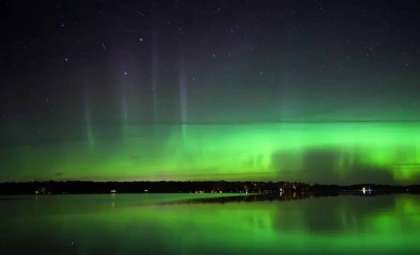
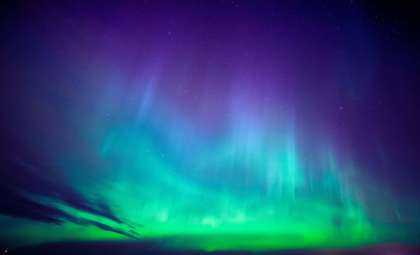
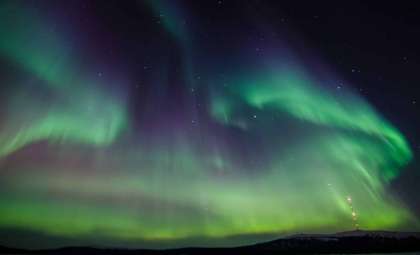
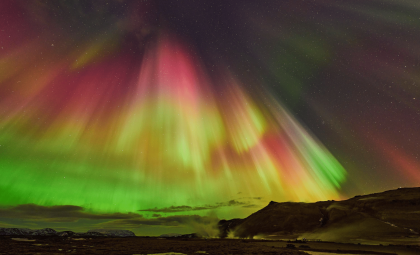
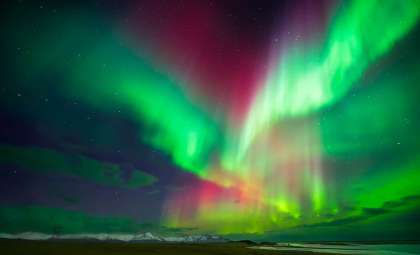
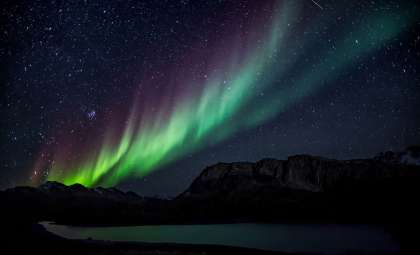
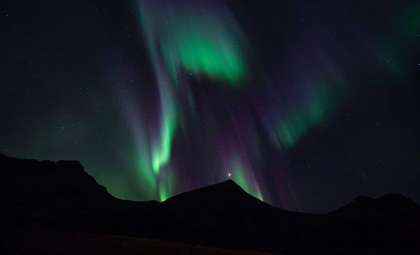
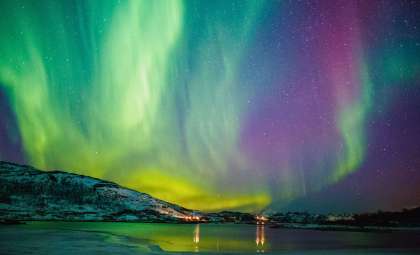
Each auroral display offers a glimpse into the vast impact of the Sun on Earth. These vibrant waves of green, pink, and violet appear when charged solar particles interact with Earth's magnetic field in the upper atmosphere. Though transient, such light shows provide both aesthetic wonder and valuable scientific data, underscoring the ever-changing interplay between our planet and its star.
As solar activity is closely tracked by experts, NOAA's real-time monitoring and the global observatory network continue to enhance predictions about when and where these phenomena will emerge. For those fortunate to witness tonight’s spectacle, the experience will be a memorable reminder of cosmic forces at work far beyond our planet.
- Categories:
- News


0 comments
Sign in to Comment