
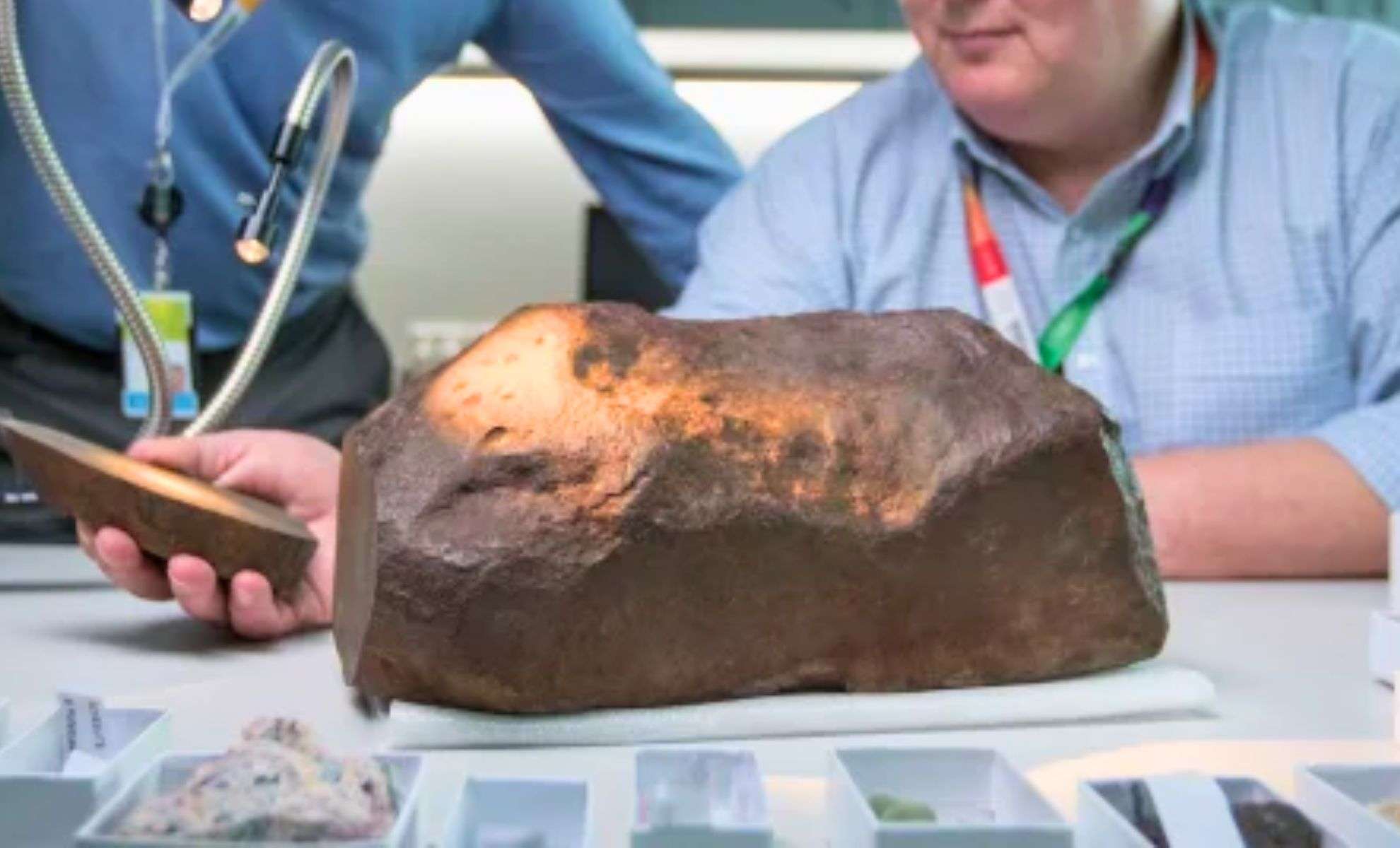
An unusual rock kept for years by an Australian man who hoped it concealed gold turned out to be an extraordinary discovery: a meteorite predating Earth itself.
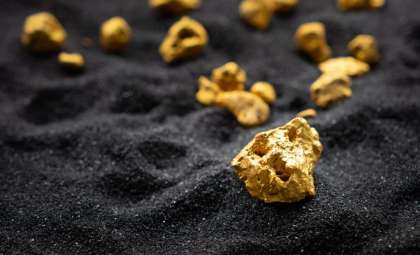
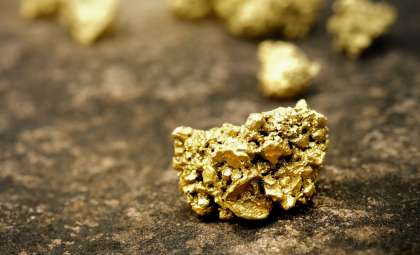
Back in 2015, David Hole was exploring Maryborough Regional Park near Melbourne when he spotted a heavy, reddish stone embedded in yellow clay. Given the location within Victoria’s historic Goldfields, famed for its rich mineral finds, Hole assumed he had uncovered yet another hidden gold deposit.
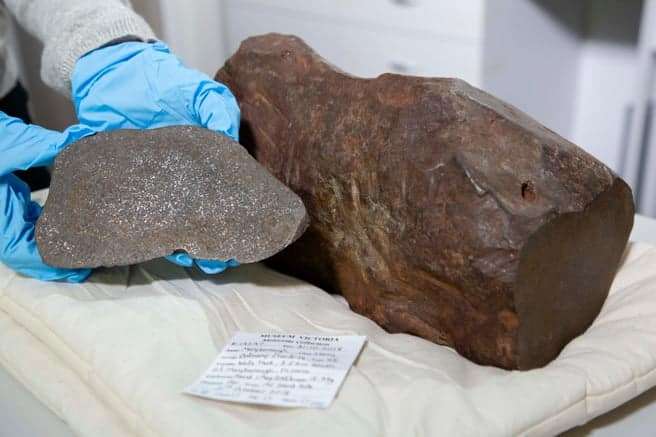
Despite attempts to break the rock open using tools like saws, acids, drills, and even a sledgehammer, the specimen remained unyielding. Eventually, Hole took the rock to Melbourne Museum, where specialists identified it not as gold but a remarkable meteorite dubbed the Maryborough meteorite.

A Rare Space Rock Misidentified as Treasure
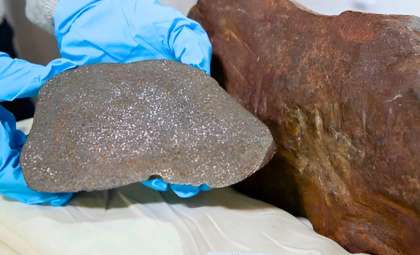
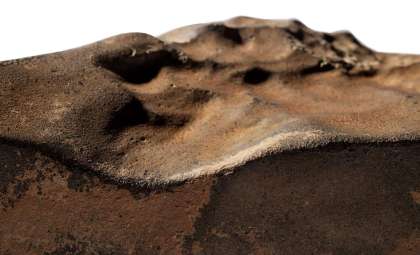
According to ScienceAlert, Melbourne Museum geologist Dermot Henry recalled the rock's distinctive dimpled texture, which closely resembled the fusion crust formed when meteorites blaze through Earth’s atmosphere. Its exceptional heft and toughness made it stand out before any laboratory testing was completed.
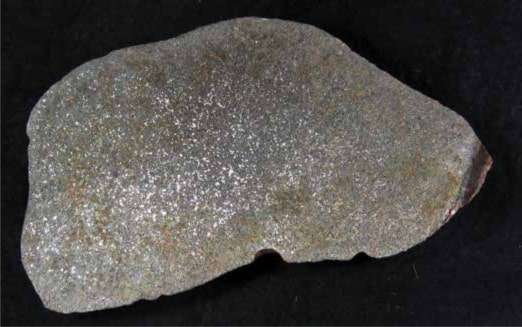
After extracting a small segment with a diamond blade, scientists confirmed it was a rare H5 ordinary chondrite—a stony meteorite enriched with iron. Weighing 17 kilograms, this find ranks as the second-largest of its type ever recorded in Victoria, where only 17 meteorites have been officially documented.
Henry, with nearly 40 years of rock examination experience, revealed to Channel 10 News that this was only the second meteorite he had personally verified in his career.
A Window into Our Solar System’s Origins
The significance of the meteorite goes beyond its rarity; it acts as a time capsule from the dawn of the solar system. Chondrites like the Maryborough meteorite contain tiny spherical particles called chondrules, which formed from molten droplets in space. As noted in research published in the Proceedings of the Royal Society of Victoria, such meteorites preserve primordial conditions dating back 4.6 billion years, to when the solar system was first taking shape.
Henry explained that certain meteorites harbor components older than our solar system, including stardust vital to unravelling star formation and elemental creation processes. Others have been found to contain organic compounds like amino acids.
“Meteorites offer an accessible form of space exploration,” Henry told Channel 10, emphasizing that these natural samples allow researchers to investigate planetary interiors and cosmic chemical processes without the need for costly space missions.
The Meteorite’s Remarkable Journey and Origin
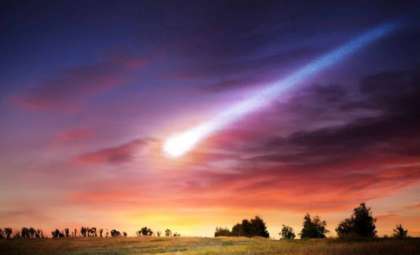
The story of this meteorite continued after entering the museum’s care. Using carbon dating, scientists estimated its fall to Earth took place between 100 and 1,000 years ago. Although the exact timing remains unclear, ScienceAlert suggests several fireball sightings in the area recorded between 1889 and 1951 could be linked to this event.
Geologist Bill Birch noted the extraordinary density and heft of the rock make it a rare find on Earth’s surface. Researchers believe the meteorite originated in the asteroid belt between Mars and Jupiter, likely propelled out of its orbit following a collision with another space object.
“If you picked up a rock like this on Earth, it shouldn’t be that heavy,” Birch told The Sydney Morning Herald. Officially designated the Maryborough meteorite, it now sits among the scarce extraterrestrial artifacts discovered in the region.



0 comments
Sign in to Comment