
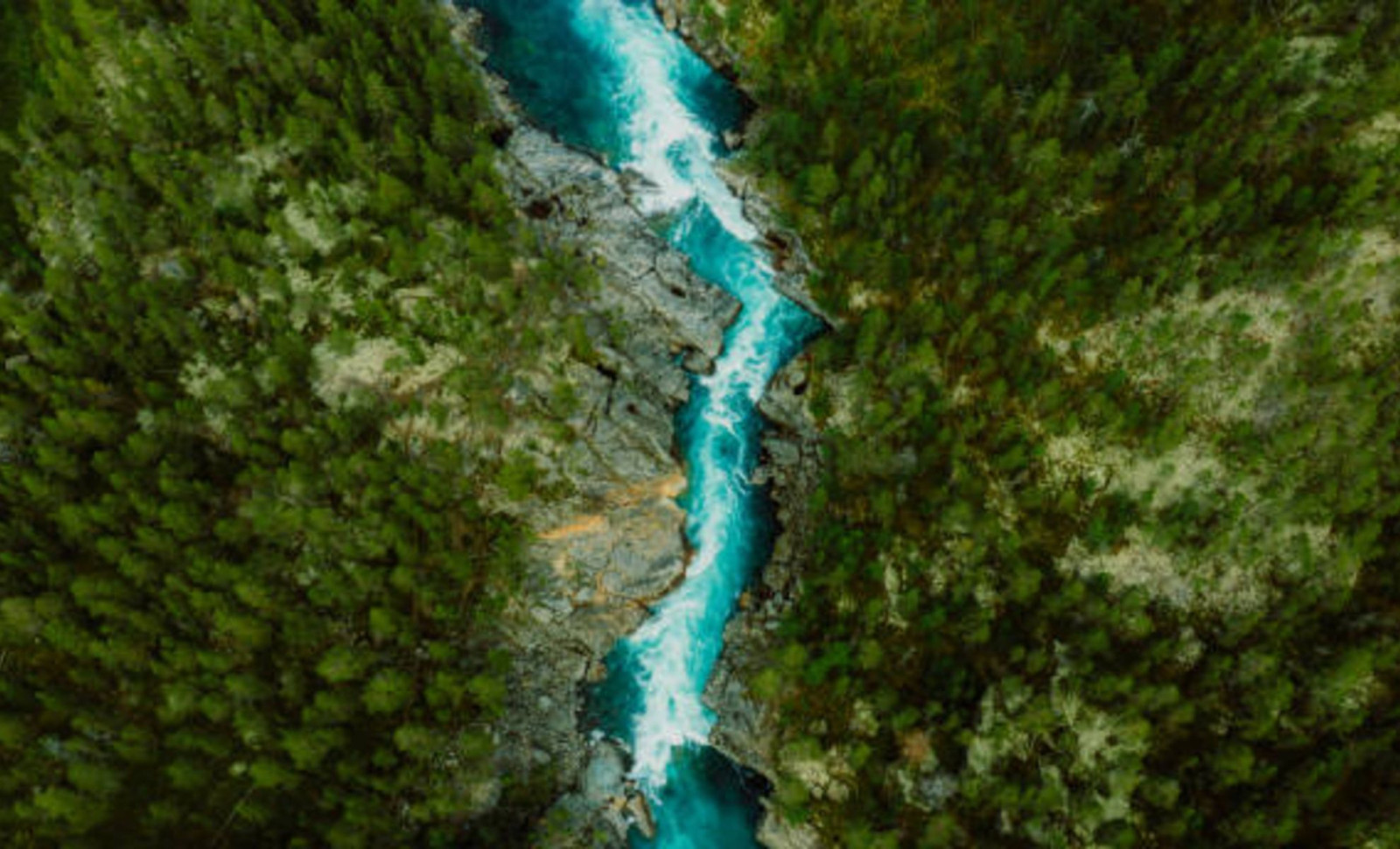
Located in the heart of central Australia, the Finke River is widely recognized as potentially the planet’s most ancient river still in existence. Its origins date back an astonishing 300 to 400 million years, predating the emergence of dinosaurs by a vast margin.
Referred to as Larapinta in the Indigenous Arrernte language, the Finke River winds its way through the rugged MacDonnell Ranges, a mountain range crafted during the Alice Springs Orogeny, a monumental tectonic event that occurred hundreds of millions of years ago.
A River Carving Against the Grain of Time
One of the defining characteristics of the Finke River is its cross-axial drainage system, meaning it flows directly across resistant rock formations instead of circumventing them. This unusual landscape pattern plays a key role in debates around its age. Research published in the Journal of Geography identifies the Finke as the “second-oldest river on Earth.”

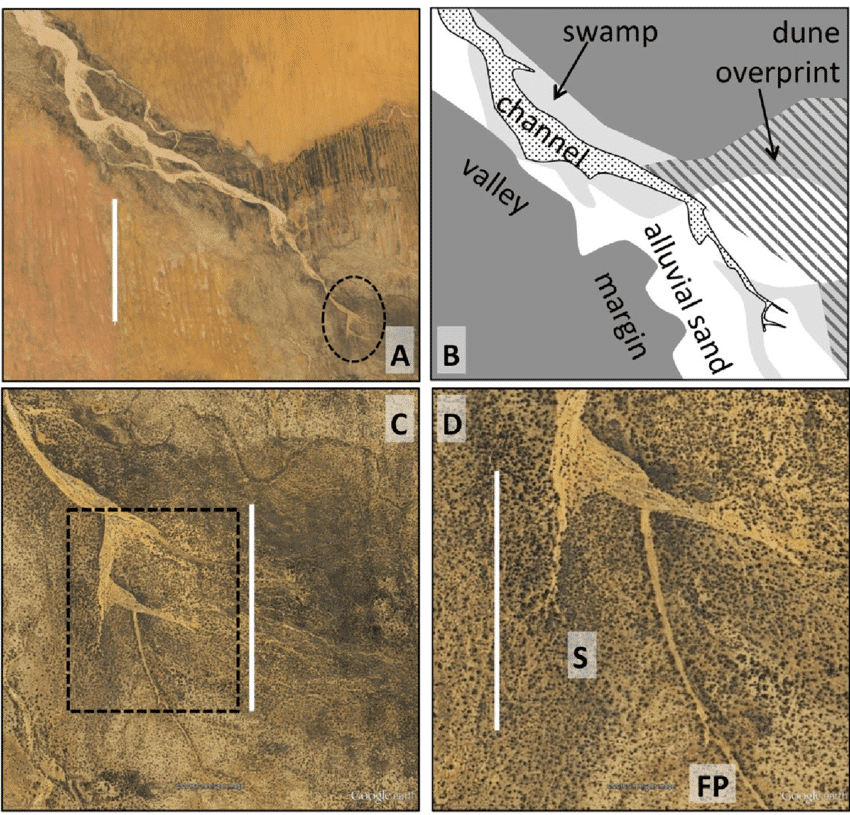
Victor Baker, a geomorphologist at the University of Arizona, explains this intriguing feature indicates the river predates the ranges it traverses.
“There is some suggestion that there was a preexisting drainage that was flowing as this range was building up,” he said. “It’s called antecedence — basically, the river is there before the mountains form and as the crust is being thrust up, the river is cutting down.”
As tectonic forces uplifted the MacDonnell Ranges, the Finke River maintained its direction, steadily eroding downward instead of diverting. This resilience to dramatic geological shifts is one of the strongest pieces of evidence attesting to its ancient lineage.
Steady Ground Fosters Endurance
The remarkable longevity of the Finke can be partially credited to Australia’s tectonic stability. Unlike landmasses near active faults or plate boundaries, the Australian Plate has endured for hundreds of millions of years with minimal tectonic disruption.
This tectonic calm has prevented the Finke from being rerouted, buried beneath sediment, or interrupted as many other ancient rivers have been. Geologist Ellen Wohl of Colorado State University explained to Live Science:
“Rivers can disappear if a massive influx of sediment overwhelms them (e.g., volcanic eruptions) or if topography changes so dramatically that the flowing water takes a new course across the landscape (e.g., glacial advance and retreat).” Wohl added, “Long duration is promoted by tectonic stability and lack of glaciation during the Pleistocene.”
Dating Rocks Unveils Ancient Legacy
To verify the Finke’s immense age, scientists analyze radioactive isotopes and erosion patterns. Over millions of years, flowing water imprints a chemical signature on rocks, offering subtle clues about their history of exposure and weathering.
Findings highlighted by Live Science show that the landscape the Finke traverses was formed during the Alice Springs Orogeny, dating back at least 300 to 400 million years. The river’s alignment with these ancient geological formations strengthens its claim as the oldest river system still flowing along its original route.
- Categories:
- Science









0 comments
Sign in to Comment