

Recent advancements in genomic research have conclusively traced syphilis, a devastating disease that surged through Europe soon after Christopher Columbus's return from his historic voyages, to its roots in the Americas. This breakthrough resolves longstanding disputes about where syphilis first emerged, offering new insights into its historical trajectory.
“Our evidence firmly supports the notion that syphilis and its related bacteria originated in the Americas,” stated Kirsten Bos, an archaeogeneticist with the Max Planck Institute for Evolutionary Anthropology in Leipzig, Germany. The research appeared in the journal Nature on December 18.
Discovering Syphilis’ Ancient Beginnings
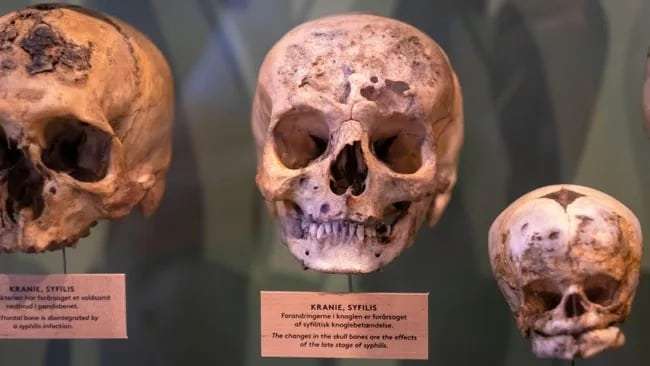
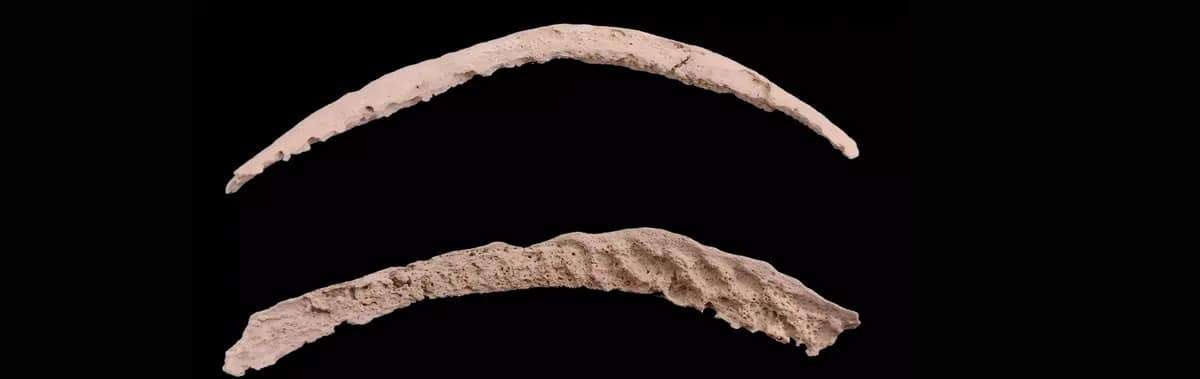
Scientists examined skeletal remains from various American archaeological sites for traces of treponemal infections, a group of diseases caused by bacteria belonging to the Treponema family. This family includes syphilis as well as other non-sexually transmitted conditions such as pinta, bejel, and yaws. These illnesses often cause distinctive damage to bones, which archaeologists can study to infer presence.

Detecting ancient syphilis has been difficult due to the delicate nature of treponemal DNA over time. Nevertheless, new genomic techniques enabled researchers to extract DNA from the syphilis-causing bacterium Treponema pallidum in skeletons predating European arrival. Skeletal remains from Mexico, Peru, Argentina, and Chile showcased evidence that the disease existed thousands of years pre-colonization.
Genomic Advances Driving Discovery
The publication applied state-of-the-art genomic strategies to overcome the challenges associated with ancient DNA degradation. The research team focused on skeletal remains that showed lesions consistent with treponemal diseases. Employing paleogenomic approaches, they successfully retrieved genetic material from dense tooth and bone tissues known for preserving DNA well.
Using advanced sequencing technology to amplify ancient DNA while avoiding contamination, researchers reconstructed genetic fragments of the Treponema pallidum genome. This allowed for detailed comparisons between ancient and modern bacterial strains, resulting in an extensive phylogenetic framework tracing the evolutionary path of these infections.
Syphilis’ Evolutionary Pathway
The data suggest that the bacterium T. pallidum originated in the Americas during the mid-Holocene period, approximately 9,000 years ago. It eventually diversified into subspecies responsible for various treponemal conditions, including:
- T. pallidum pallidum, responsible for sexually transmitted syphilis.
- T. pallidum pertenue, which causes yaws.
- T. pallidum endemicum, the bacterium behind bejel.
Venereal syphilis probably evolved shortly before 1492, potentially driven by ecological or social changes among native populations. This form then spread quickly during early European colonization and transatlantic exchanges.
“We have evidence of long-standing syphilis-like diseases in the Americas,” explained study co-author Casey Kirkpatrick, a postdoctoral scholar at Max Planck, “but bone lesions alone don’t provide a full picture of the disease.”
European Contact as a Catalyst for Global Spread
The results lend strong support to the “Columbian hypothesis,” which holds that syphilis originated in the New World and reached Europe following Columbus’s expeditions. While indigenous groups harbored early treponemal infections, European arrival triggered widespread dissemination worldwide.
“Europeans played a significant role in the rapid global transmission of these bacteria,” Bos noted. The disease soon became endemic in Europe and beyond, profoundly impacting global public health.
Broader Implications for Infectious Disease Evolution
This research not only clarifies syphilis’ origin but also offers insight into how infectious agents evolve. It highlights how pathogens adapt to environmental changes and cultural shifts, altering their transmission modes—non-venereal treponemal illnesses spread through skin contact, while venereal syphilis transmits sexually.
- Categories:
- Science












0 comments
Sign in to Comment