
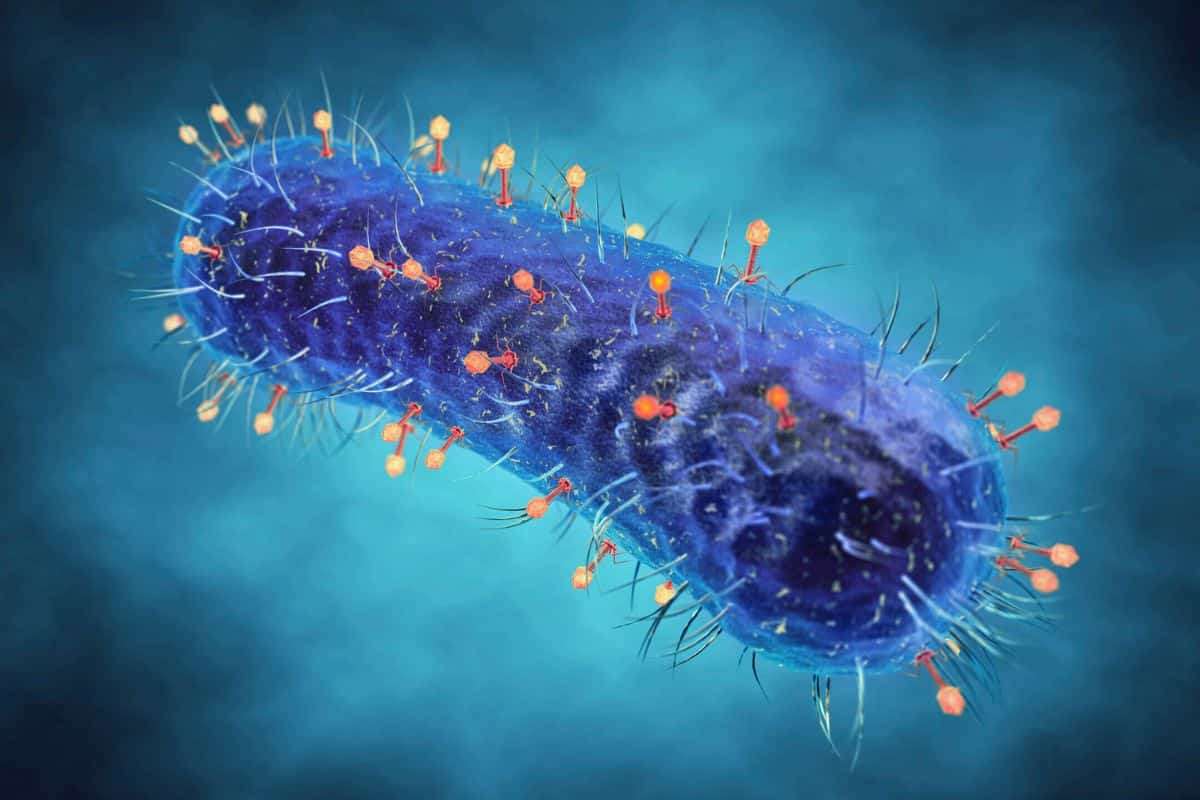
Recent discoveries indicate that some bacteria began metabolizing oxygen almost a billion years prior to earlier estimates. This revelation could significantly alter our perspectives on the evolution of life, especially in terms of respiration origins and the environmental factors that enabled complex organisms to thrive.
Oxygen Tolerance Appeared Long Before the Great Oxidation Event
Traditionally, it was assumed that bacteria were strictly anaerobic up until the Great Oxidation Event (GOE) which occurred roughly 2.4 billion years ago. This event marked the rise of oxygen levels in Earth’s atmosphere, triggering profound shifts in the biosphere.
However, a recent investigation led by Dr. Adrián Arellano Davín at the Okinawa Institute of Science and Technology (OIST) suggests that ozone-utilizing bacteria existed as early as 900 million years before the GOE. The study proposes that oxygen-rich microenvironments were present long before the gas accumulated in the atmosphere.
Tracing Bacterial Respiration Through Genomic Analysis
Researchers applied advanced machine learning techniques alongside phylogenetic reconciliation on 1,007 bacterial genomes to determine when various microbes transitioned from anaerobic to aerobic metabolism.

This integrated computational and geological strategy enabled the team to assemble a refined timeline indicating when oxygen respiration first emerged in distinct bacterial clades.
“Combining genomic data, fossil records, and geochemical evidence offers unprecedented insight into microbial evolutionary history, especially for lineages lacking direct fossils,” explained Professor Gergely Szöllősi, leader of OIST’s Model-based Evolutionary Genomics Unit.
Oxygen Respiration Offered Early Microbes a Survival Advantage
Using oxygen for respiration is considerably more effective than anaerobic pathways. Even minute levels of oxygen could have permitted primitive bacteria to generate greater energy, boosting their survival and reproduction potential.
This metabolic benefit likely enabled aerobic microbes to diversify faster, setting biochemical foundations crucial for the later advent of photosynthesis.
“Our work also shows that modeling microbial traits from their genomes using machine learning works well for studying the spread of aerobic metabolisms,” explained Dr. Tom Williams from the University of Bristol’s School of Biological Sciences.
Connecting Oxygen Usage to Cyanobacteria Evolution
The study uncovers fresh perspectives on the development of cyanobacteria, the group responsible for producing oxygen through photosynthesis. Data indicate that cyanobacteria ancestors might have already adapted to oxygen, possibly laying groundwork for the emergence of photosynthetic genes.
This finding supports the notion that oxygen metabolism and photosynthesis may have evolved concurrently rather than sequentially, prompting a reevaluation of metabolic advancements in early life forms.
Reconstructing Microbial Evolution by Integrating Multiple Data Sources
By synthesizing genomic, fossil, and geochemical records, scientists charted bacterial evolutionary lineages back to the Hadean and early Archaean periods, over 3.9 billion years ago. Their results highlight that many oxygen-utilizing features appeared well before atmospheric oxygen levels rose, though limited to specific ecological niches.
“This combined use of different data types can help us figure out not only when bacteria evolved but also how they adapted,” said Dr. Davín.
- Categories:
- Science










0 comments
Sign in to Comment