
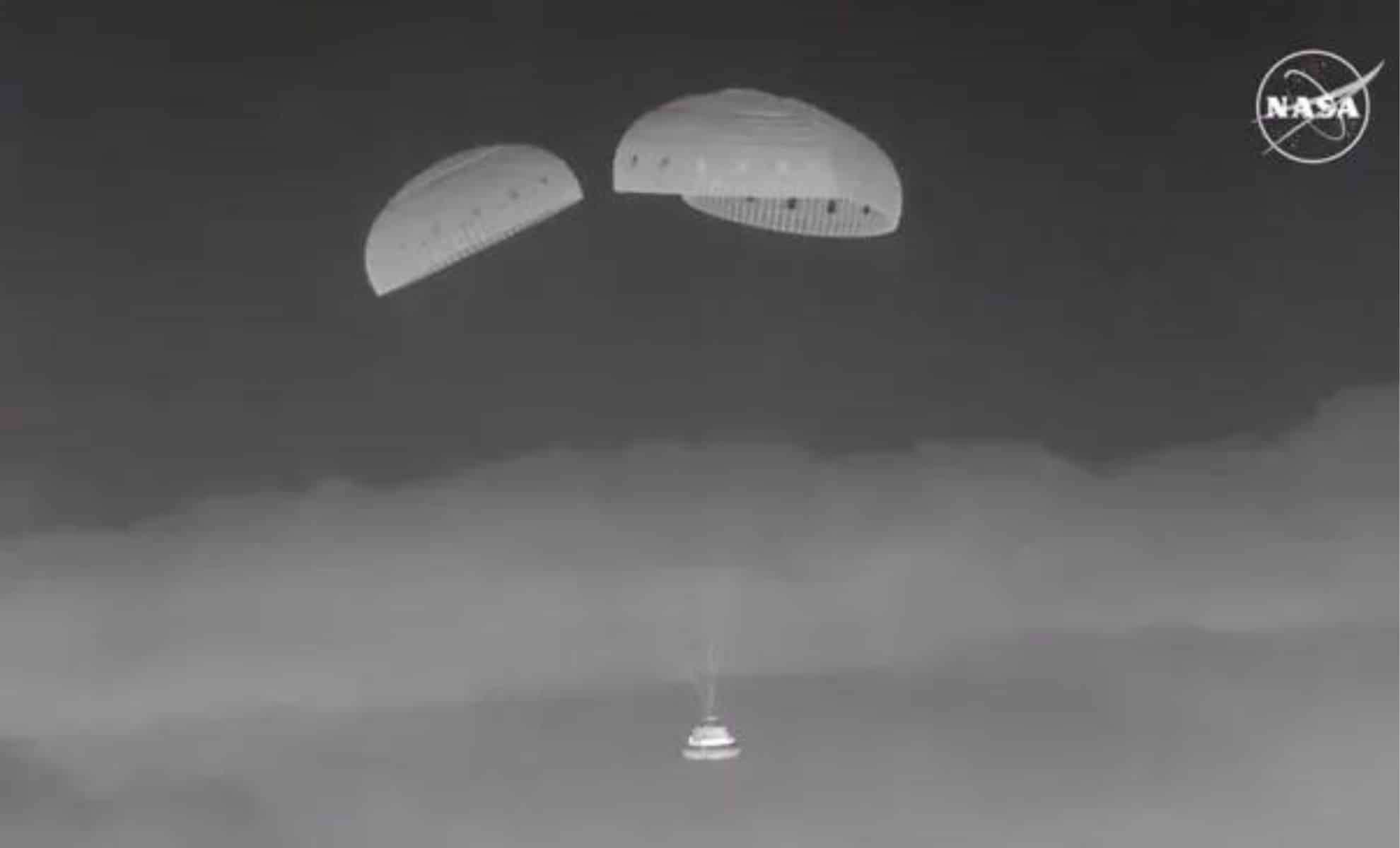
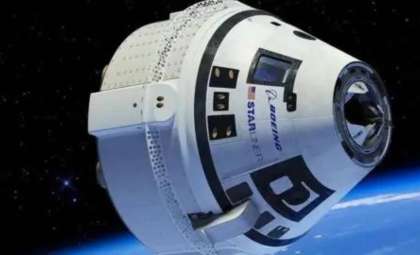
Boeing’s Starliner spacecraft completed a safe touchdown on September 7, 2024, concluding an uncrewed mission that highlighted ongoing technical hurdles for the vessel.
Starliner’s Precise Touchdown
On September 7, 2024, at 12:01 a.m. Eastern Time, Starliner successfully landed at the White Sands Missile Range in New Mexico. The spacecraft had undocked from the International Space Station and descended using parachutes to ensure a smooth arrival. NASA representatives applauded the precision of the landing, calling it a “bullseye.” White Sands is a preferred site for space mission returns due to its expansive desert terrain, which facilitates secure recovery operations.
Technical Setbacks Delay Crewed Missions
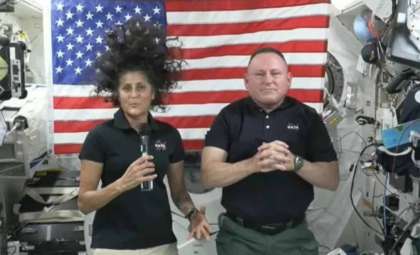
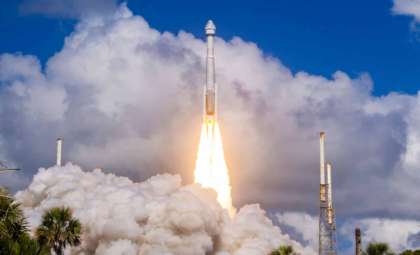
This latest Starliner journey faced several technical complications, most notably issues with the spacecraft’s thrusters and helium leaks shortly after its June 2024 launch. Initially, astronauts Butch Wilmore and Suni Williams were scheduled to return aboard Starliner, but due to the thruster malfunctions, NASA deemed it too risky to carry crew on this flight. Although Boeing maintained confidence in their spacecraft, NASA chose to postpone crewed operation and rely instead on SpaceX’s Crew Dragon to safely transport the astronauts back to Earth.

Ken Bowersox, NASA’s associate administrator for Space Operations, stressed the mission’s educational value: “Even though it was necessary to return the spacecraft uncrewed, NASA and Boeing learned an incredible amount about Starliner in the most extreme environment possible.” This caution underscores the complexity and high safety requirements involved in crewed spaceflight.
Prioritizing Safety with SpaceX as Backup
Concerns over failures with the reaction control system (RCS) thrusters, which saw five units fail, led to a postponement of astronaut return on Starliner. These thruster issues cast doubt on the ship's ability to safely handle reentry procedures. Despite Boeing’s attempts to troubleshoot, NASA opted for the proven and reliable choice: SpaceX’s Crew Dragon.
The crew’s return is now planned for early 2025 aboard SpaceX’s Crew Dragon, which has successfully carried astronauts to the ISS multiple times since 2020. NASA’s approach focuses on utilizing dependable systems while allowing Boeing additional time to resolve Starliner’s technical dilemmas.
NASA is committed to fostering collaborations with both SpaceX and Boeing as essential partners in the commercial crew initiative. “NASA looks forward to our continued work with the Boeing team to proceed toward certification of Starliner for crew rotation missions to the space station,” Bowersox affirmed, emphasizing NASA’s goal of maintaining diverse crew transport options.
Resolving Persistent Starliner Thruster Issues
Despite Starliner’s successful uncrewed return, the problem of thruster overheating remains unresolved. The heat buildup is believed to stem from insulation structures, “doghouses,” enclosing the thrusters, which causes seal swelling and hampers propellant flow. Both NASA and Boeing are exploring software fixes and insulation design changes to mitigate this problem.
Steve Stich, manager of NASA’s Commercial Crew Program, stressed the need to thoroughly address these matters before Starliner receives certification for crewed missions. “We’ve got some things we know we’ve got to go work on,” he said, noting that extra testing will be crucial. The spacecraft’s next flight is targeted for August 2025, but delays may arise depending on further findings.
The teams will conduct detailed reviews to ensure the reliability of the reaction control system (RCS) thrusters during critical reentry phases. They’re also considering adjustments to reduce thruster strain via software updates and evaluating changes in thermal insulation to prevent heat-related issues.
The Future Outlook for Boeing and NASA
NASA’s Commercial Crew Program aims to foster competition and reduce dependence on any single provider. While SpaceX’s Crew Dragon boasts multiple successful missions, Boeing’s Starliner remains a vital part of NASA’s strategy to maintain redundancy and resilience. However, ongoing technical challenges raise questions about Boeing’s certification timeline and ability to match SpaceX’s pace.
Despite current obstacles, NASA remains hopeful about Starliner’s future. “We are excited to have Starliner home safely,” said Steve Stich. “There was a lot of valuable learning that will enable our long-term success.” This dedication to continual improvement showcases NASA’s commitment to both partners as it advances U.S. crewed space exploration.
Moving forward, Boeing and NASA will continue resolving technical issues to prepare for another crewed test flight in the near future. Although significant work lies ahead, both organizations are confident Starliner will eventually join SpaceX as a trustworthy vehicle for transporting astronauts to the ISS and beyond.
- Categories:
- News






0 comments
Sign in to Comment