
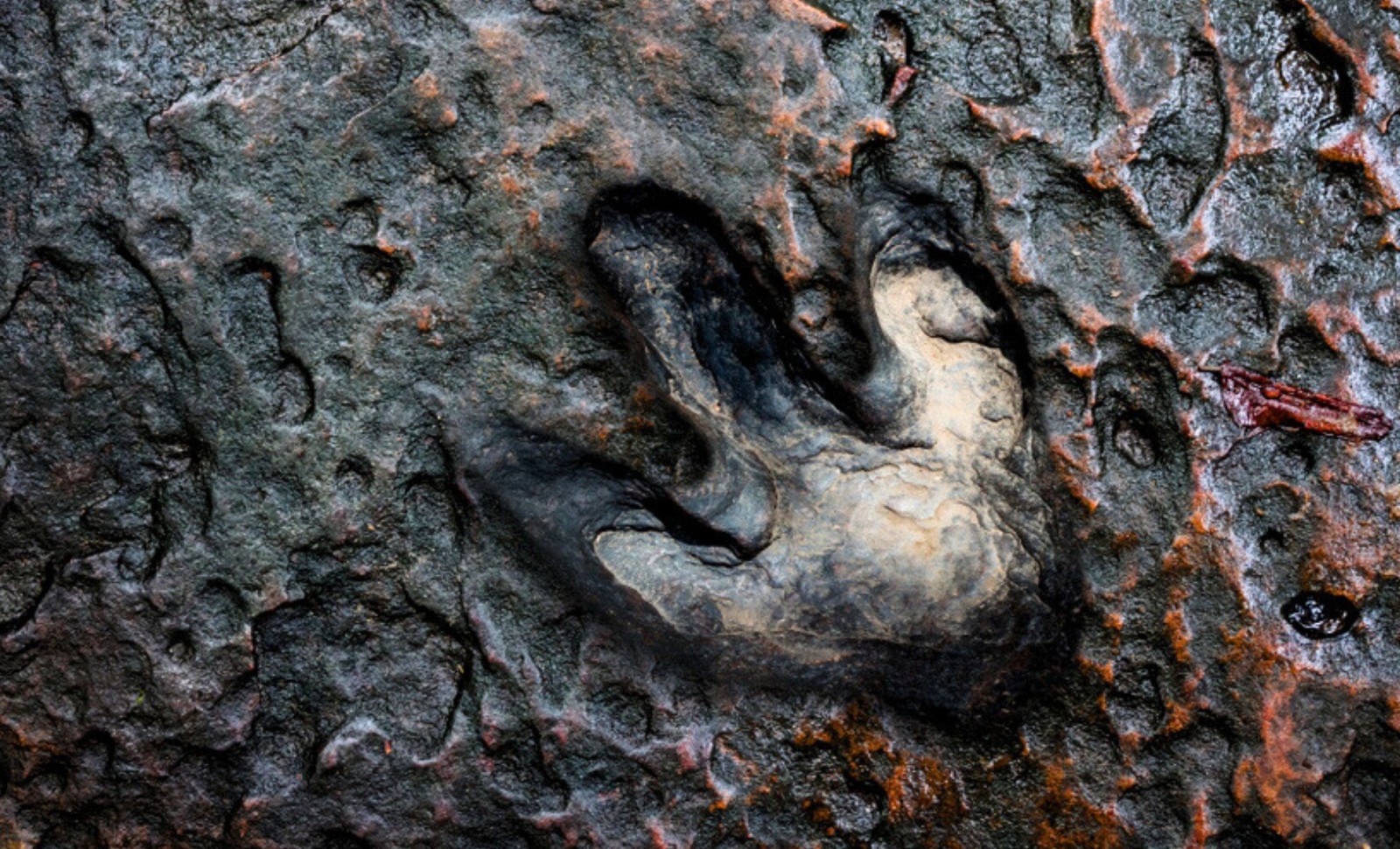
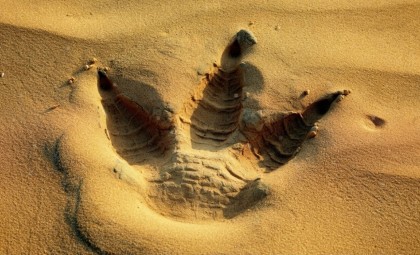
Deep within central Bolivia, a groundbreaking discovery is changing the understanding of Late Cretaceous habitats. The fossil-rich basin located in Torotoro National Park at Carreras Pampa reveals the highest concentration of dinosaur footprints ever documented — an extraordinary total of 16,600 tracks exclusively created by theropod dinosaurs, close relatives of the famed Tyrannosaurus rex.
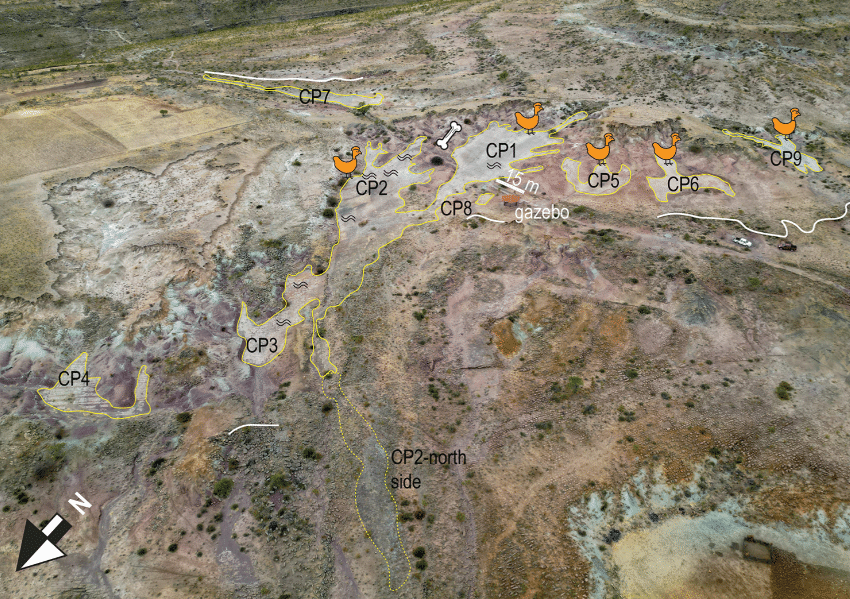
Distinct from other fossil sites that typically include a mix of herbivore and carnivore tracks, this expansive 7,485-square-meter area features only carnivorous footprints. No traces of sauropods or duck-billed dinosaurs appear—just endless rows of tracks varying between under 10 centimeters to over 30, preserved in Maastrichtian era sediments shortly before the mass extinction event.
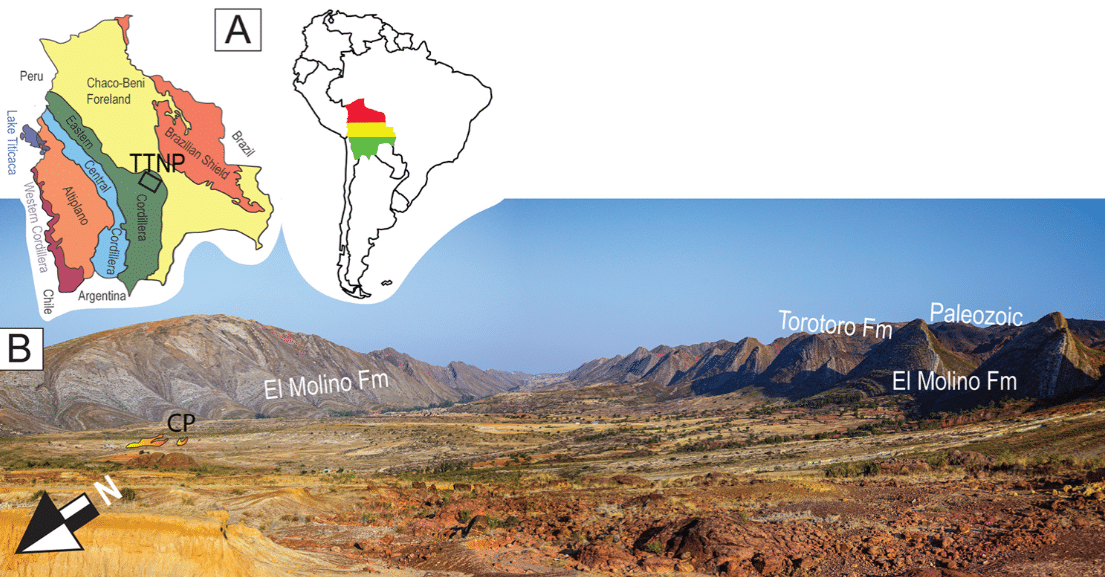
These revelations, reported in the open-access journal PLOS ONE, document a dense congregation of predator dinosaurs around a long-lost lakeshore habitat. The Carreras Pampa footprint site now holds the title of the largest dinosaur tracksite ever discovered, surpassing previous records worldwide.

An Unprecedented Ancient Assembly
Scientists measured over 1,321 continuous trackways, 289 standalone footprints, and 280 swim trails across one sedimentary layer. More than 1,378 swim-related tracks were found, some showing alternating left and right limb movement, providing rare evidence of swimming behavior in dinosaurs, a seldom-seen trait in the fossil record.
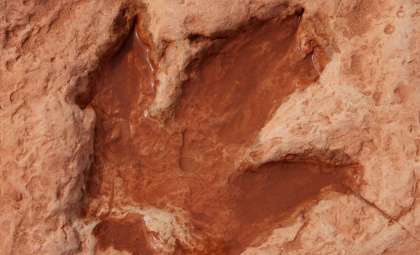
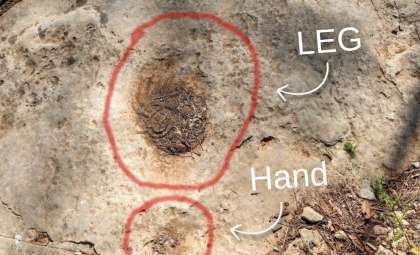
The prints also contain tail drag marks, detailed toe impressions, and signs of directional changes or halts. The deepest prints signify heavier animals sinking into soft mud, whereas lighter or firmer ground impressions are shallow—all superbly preserved due to the carbonate-rich sediment in a quiet depositional environment.
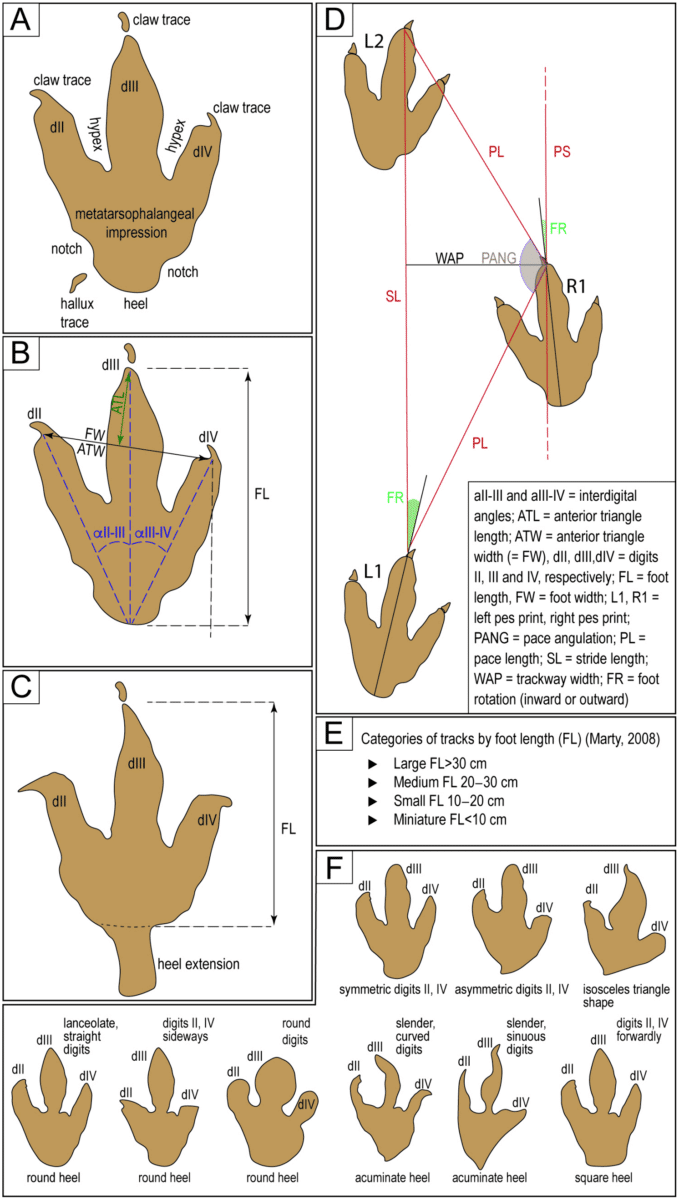
For context, the previously largest tracksite, Australia’s Lark Quarry, contains roughly 3,300 tracks. This Bolivian find exceeds it by about five times. The research highlights the identification of 11 different track shapes for walking and three for swimming, pointing to a varied group of theropod species of various ages and sizes, from juveniles to adults.
Through digital mapping, sediment examination, and stratigraphic cross-sections, researchers uncovered behavioral clues such as track orientations, walking patterns, and estimates of stride lengths.
Noticeably No Herbivores Present
All discovered impressions were from two-legged predators. There are no signs of sauropods, ornithopods, or ankylosaurs—all herbivores common in other areas of Torotoro National Park. This absence is striking because the surrounding environment and the Upper Cretaceous fossil record in Bolivia typically reflect rich biodiversity.
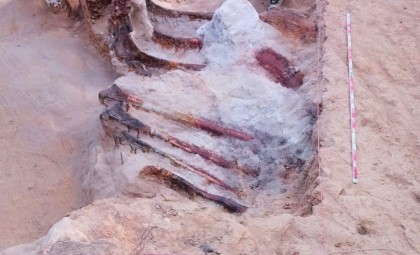
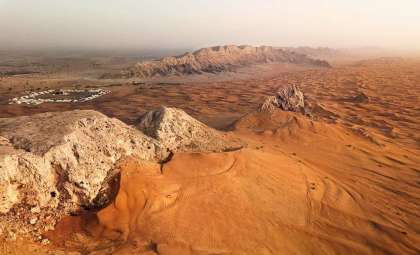
Set within the geological framework of the El Molino Formation, this landscape once featured broad, shallow shorelines shaped by seasonal flooding. Ripple marks, microbial mats, and beds of tiny crustaceans indicate cycles of wetting and drying, conditions favorable for footprint preservation.
The reason behind this exclusively predatory gathering remains unsolved. The team suggests possible explanations such as a territorial hunting area, scavenger congregations near drying water sources, or selective sediment preservation favoring carnivore paths.
Nevertheless, these theories do not fully clarify why no traces of herbivorous species are found over nearly 7,500 square meters.
Tail-Swiping, Swimming, and Pausing
A number of trackways show more than simple movement. Over 30 trails include continuous tail drag marks — rare clues that some theropods allowed their tails to touch the ground, challenging previous beliefs that tails remained raised for balance.
Other shallow swimming tracks reveal consistent movement patterns, implying these dinosaurs were partially buoyant while navigating flooded zones. Multiple overlapping paths suggest potential group movement or frequent travel along narrow corridors.
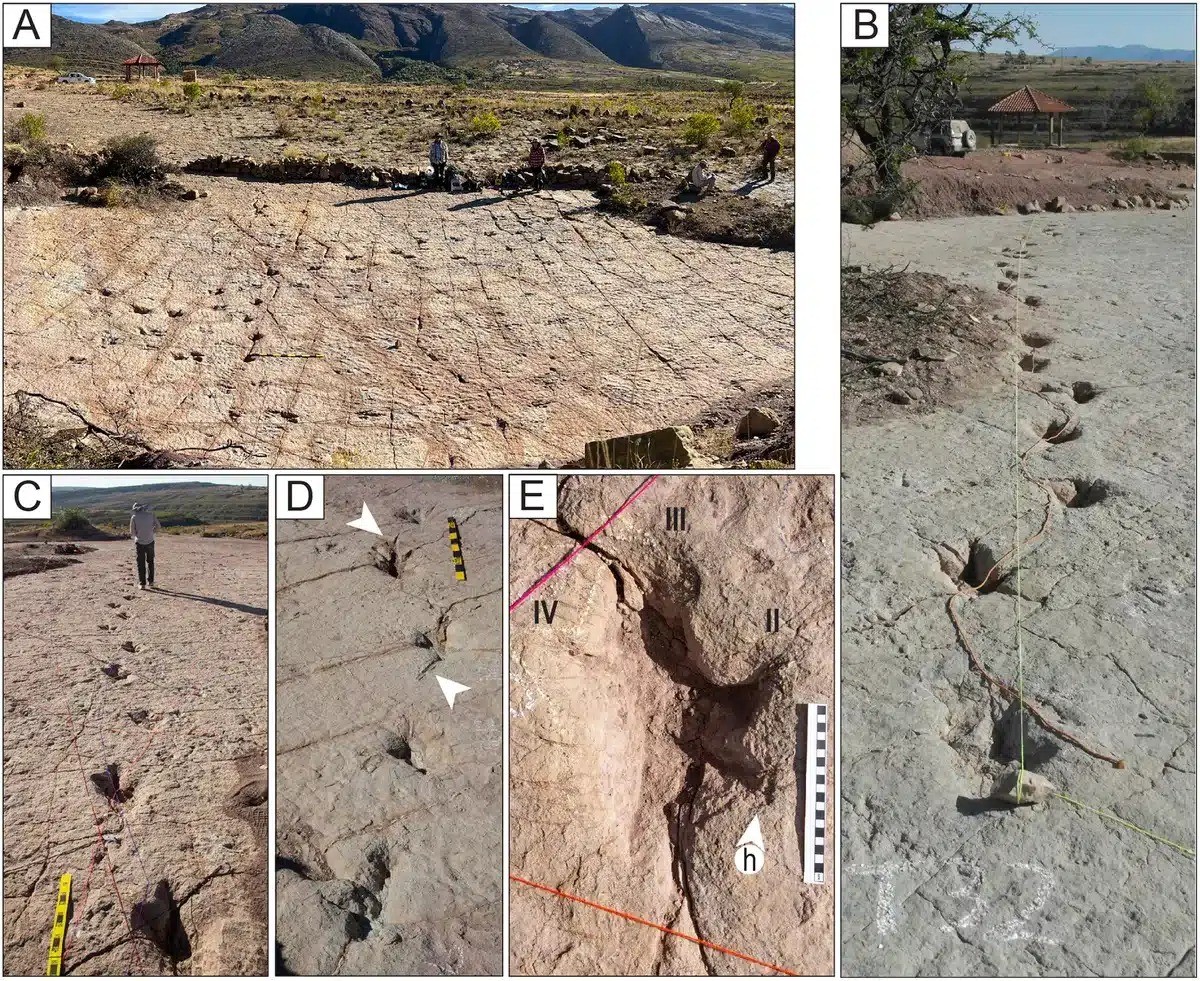
The research also reveals fossilized hesitation behaviors, including brief stops and changed directions reflected in shorter step lengths and altered track orientations. These snapshots offer rare glimpses into the dinosaurs’ decision-making and environmental responses preserved in stone.
Detailed visual data, including depth measurements, orientation charts, and track density maps, enhance understanding not only of behavior but also biomechanical aspects of these extinct creatures.
- Categories:
- Science




0 comments
Sign in to Comment