
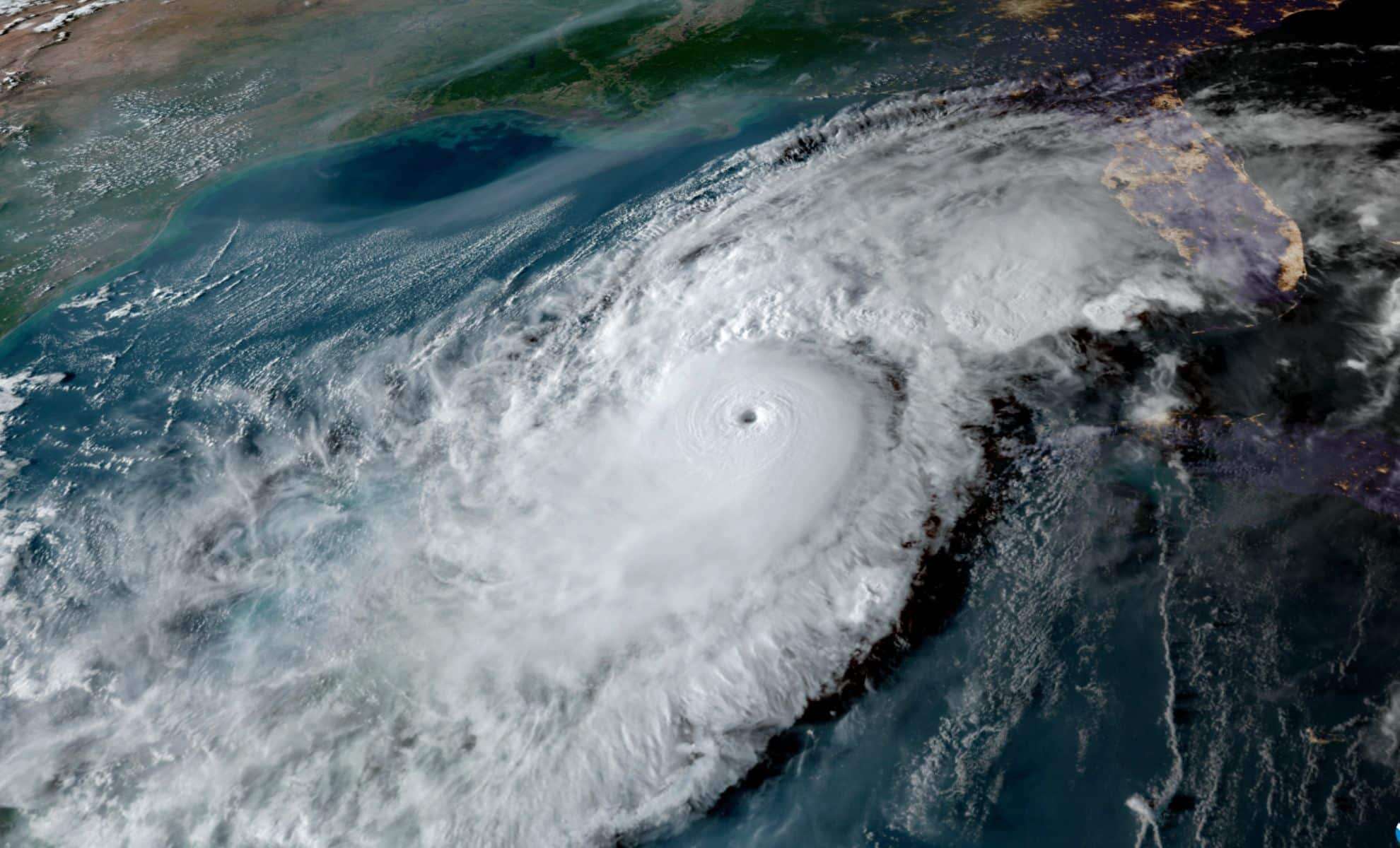
The National Oceanic and Atmospheric Administration (NOAA) has projected a highly active 2025 Atlantic hurricane season, forecasting hurricane activity well above the usual levels. According to their May 22 announcement, there's a 60% chance of more intense storms this year, with as many as 10 hurricanes expected, including up to 5 major hurricanes. These projections are largely attributed to warmer ocean waters and weaker-than-normal wind shear.
Factors Driving Increased Hurricane Formation
The forecast estimates between 13 and 19 named storms, with 6 to 10 possibly evolving into hurricanes. For context, an average season typically experiences 14 named storms, 7 hurricanes, and 3 major hurricanes. Elevated Atlantic sea surface temperatures, a key driver of tropical development, alongside reduced vertical wind shear, enhance the potential for storms to intensify more rapidly and sustain strength.
Storm classifications depend on wind speeds: a system becomes a named tropical storm at sustained winds of 39 mph (63 km/h), a hurricane at 74 mph (119 km/h), and a major hurricane (Category 3 or above) at sustained winds exceeding 111 mph (179 km/h).

Historically, peak hurricane activity occurs around September, when the interplay of favorable ocean and atmospheric conditions maximizes storm formation. Cooler ocean temperatures and stronger wind shear outside of June through November generally suppress storm development.
Reflections on the Devastating 2024 Season
The 2024 hurricane season was notably fierce. Despite NOAA’s ambitious forecast predicting 17 to 25 named storms, the final tally included 18 named storms, 11 hurricanes, and 5 major hurricanes. One historic event was Hurricane Beryl, which made history as the earliest recorded Category 5 hurricane in the Atlantic, hitting Texas in July. Later in September, Hurricane Helene struck Florida’s Gulf Coast as a Category 4 hurricane, becoming the deadliest U.S. hurricane since Hurricane Katrina in 2005.
These storms caused devastation well inland. Acting NOAA administrator Laura Grimm stressed that hurricanes now pose threats far beyond coastal areas. The wind damage and inland flooding during 2024 highlight the far-reaching and often unpredictable nature of such storms.
NOAA’s Strategy for Public Safety
NOAA employs cutting-edge weather modeling and real-time hurricane tracking to equip Americans with reliable forecasts. U.S. Secretary of Commerce Howard Lutnick emphasized the importance of these tools in delivering accurate, timely warnings. These forecasts provide critical time for evacuations, infrastructure protection, and operational shutdowns when necessary.
The 2025 hurricane season naming sequence starts with Andrea and ends with Wendy, a system that facilitates communication and coordination among responders, media, and the public.
Pacific Hurricane Season Outlook Offers a Contrast
In contrast to the Atlantic’s forecasted hyperactivity, the central Pacific is expected to experience a quieter season. NOAA suggests a mere 20% chance of above-average activity in that region, with probabilities of 30% below-normal and 50% near-normal. Only 1 to 4 named storms are projected, compared to the average of 4 to 5.
This disparity exemplifies how distinct ocean basins respond differently to climatic influences such as El Niño and La Niña, which modulate sea surface temperatures and atmospheric circulation patterns uniquely across regions.
Getting Ready for a Challenging Season
With hurricane season imminent, those living along the Gulf Coast, Eastern Seaboard, and even inland regions are urged to revisit emergency plans, stock essential supplies, and monitor NOAA updates. As evidenced in 2024, storms can rapidly intensify and impact wide areas well beyond the coastline.
The coming months may present major weather challenges that test infrastructure resilience, emergency response capabilities, and public preparedness. Staying informed remains a vital safeguard.
- Categories:
- News










0 comments
Sign in to Comment