
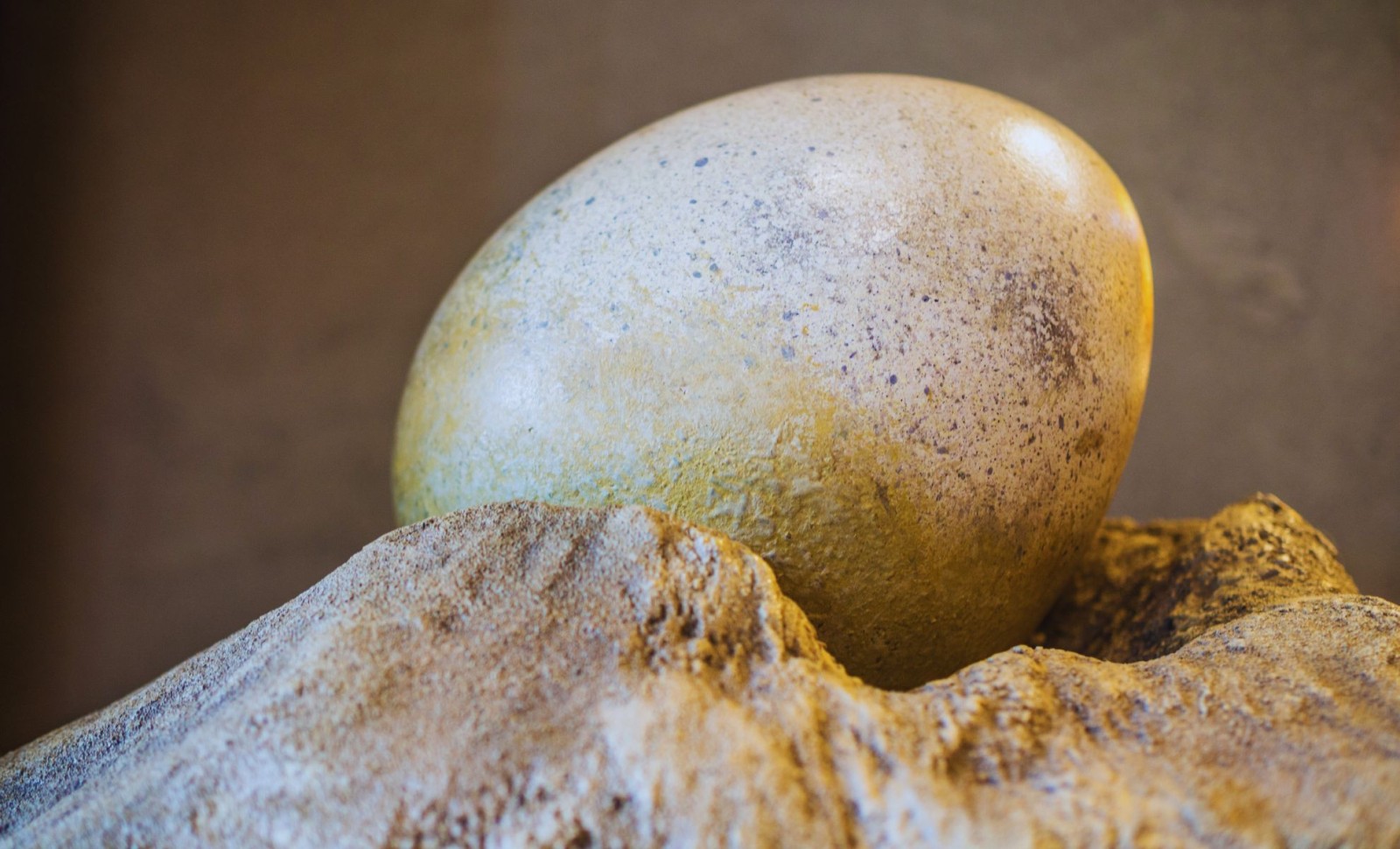
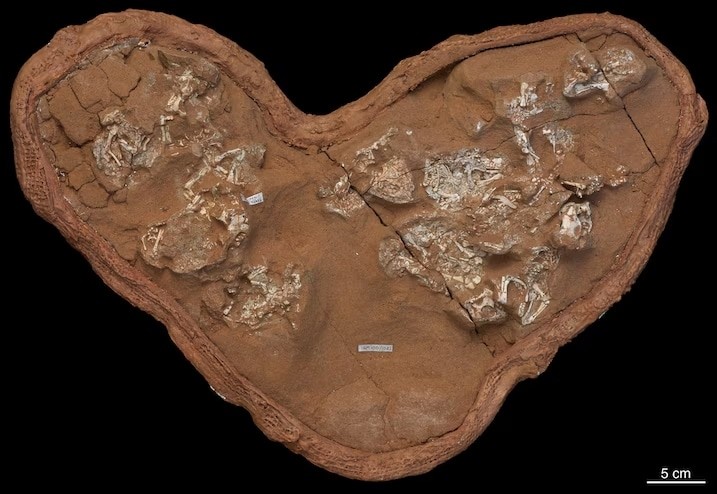
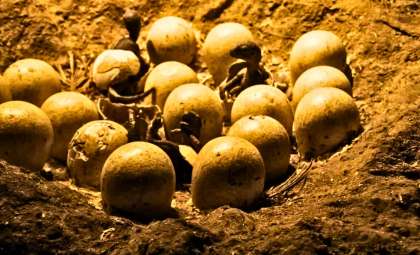
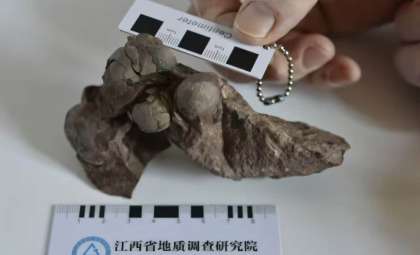
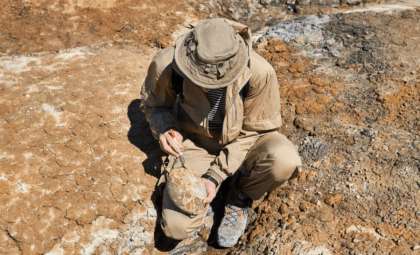
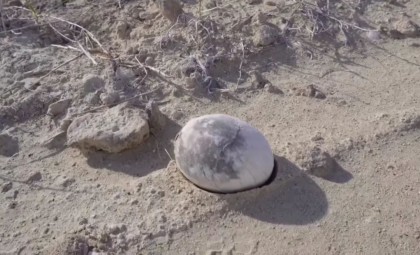
Fifteen years ago, Mark Norell, a leading paleontologist at the American Museum of Natural History, made an extraordinary discovery: a clutch of dinosaur eggs in southern Mongolia. These eggs contained at least a dozen embryos of Protoceratops, a small herbivorous dinosaur closely related to the Triceratops, but what caught researchers’ attention was their seemingly invisible shells surrounded by an unusual white halo within the sediment.
Intrigued by these mysterious outlines, Norell and his team embarked on a long investigation, and now, over a decade later, they have revealed the remarkable explanation behind this phenomenon.
Commonality of Soft-Shelled Dinosaur Eggs Uncovered
This groundbreaking Science study focusing on the Protoceratops clutch sheds light on why dinosaur eggs are scarce in the fossil record. The research indicates that many dinosaurs likely laid soft-shelled eggs, which have a far lower chance of preservation than hard-shelled eggs.

By collaborating with molecular paleobiologist Jasmina Wiemann from Yale University, Mark Norell examined two fossilized egg clutches: one from the 75-million-year-old Protoceratops and another from Mussaurus, which lived approximately 215 million years ago.
“Mark showed us this clutch and went, You know, I really think they lay soft eggshells—he just threw it out like this,” Wiemann says. “At first we thought, Probably not. But looking more closely at the fossils, we realized there were these super-weird haloes.”
Utilizing an advanced laser light technique, the team analyzed the fossils to determine the chemical makeup of the eggshells. The characteristic molecular profile of "soft eggshells" detected in the halos surrounding both the Protoceratops and Mussaurus eggs matched the chemical signatures of modern soft-shelled eggs.
Insights into Dinosaur Egg-Laying Habits
The pioneering work of Norell and Wiemann indicates that laying soft-shelled eggs was a prevalent reproductive strategy among dinosaurs, extending even into the late Cretaceous period, roughly 66 million years ago.
This discovery challenges earlier beliefs that the majority of dinosaurs laid hard-shelled eggs. Experts such as Ricardo Araújo, a paleontologist at the Technical University of Lisbon, emphasize its significance in enriching our understanding of dinosaur reproduction.
“how little we know about the incredible diversity of dinosaur reproduction strategies.” he says.
Parental Behavior and Egg Protection in Dinosaurs
Given the delicacy of soft-shelled eggs, it is unlikely they could have borne the weight of an adult dinosaur sitting atop them, suggesting these eggs were probably buried for protection. Ecologist Ricky-John Spencer proposes that burying the eggs might have helped maintain moisture, creating a more consistent incubation environment.
Charles Deeming, a biologist at the University of Lincoln, adds that eggs buried in cooler conditions likely developed at a slower pace, perhaps producing a more developed hatchling that required less direct care. Similar reproductive behaviors have been observed in ancient species like pterosaurs, supporting this theory.
Soft-Shelled Eggs Found Among Ancient Marine Reptiles
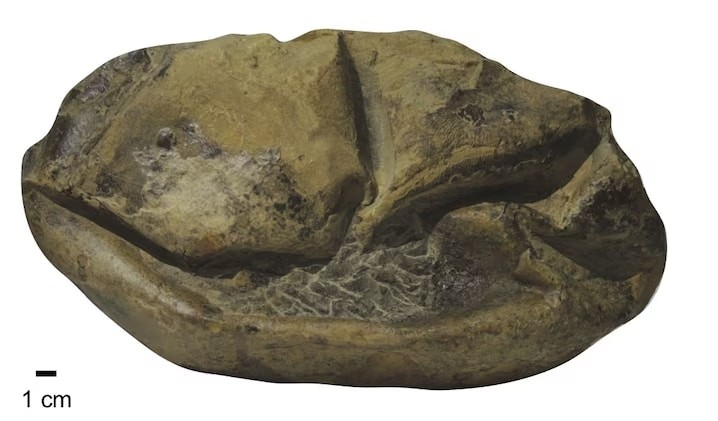
In a related Nature publication, researchers report evidence that large marine predators such as mosasaurs also laid soft-shelled eggs. These sizable marine reptiles thrived during the late Cretaceous period.
“For the first egg remnant from Antarctica to be a nearly complete egg that has finely preserved microstructure is kind of insane,” said Paleontologist Julia Clarke.
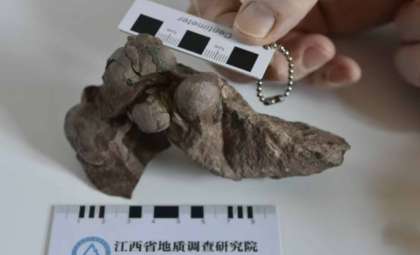
Her team unearthed a 30-centimeter-long fossilized object in Antarctic rocks, dating back about 68 million years. Microscopic analysis revealed that the crushed shell material resembles the delicate eggshells of some present-day reptiles. The size and structural traits suggest this could be a mosasaur egg, indicating that these giant marine hunters likely laid soft eggs that hatched soon after being deposited.
- Categories:
- Science



0 comments
Sign in to Comment