
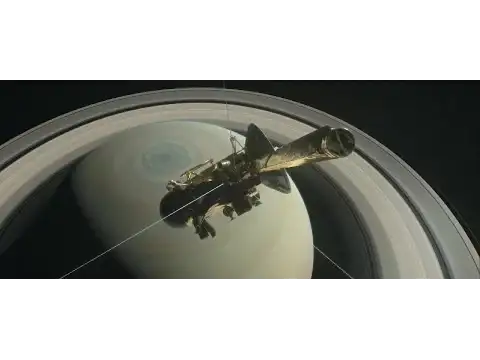
On September 15, 2017, NASA’s Cassini spacecraft completed its historic mission with an intentional descent into Saturn’s atmosphere. After over 13 years of exploring the planet and its satellites, Cassini wrapped up its journey following more than 290 orbits, transmitting its last images and scientific measurements just moments before its controlled plunge. Launched in 1997, this groundbreaking mission expanded our knowledge of Saturn, its rings, and its intriguing moons like Titan and Enceladus, which remain key objects of study in planetary science.
Revolutionary Discoveries about Saturn’s Moons
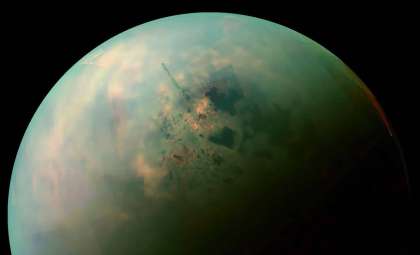
Cassini’s extensive examination of Saturn’s diverse moons revealed astonishing phenomena. As NASA notes, “Some of the most surprising scientific findings have come from encounters with Saturn’s fascinating, dynamic moons.” The mission provided breathtaking views and detailed data on icy satellites such as Titan, Enceladus, Mimas, and Dione. Among these, Titan garnered special attention due to its Earth-like qualities, with a thick atmosphere and surface features resembling lakes, rivers, and weather systems.
Investigations into Titan unveiled its dense atmosphere and cold terrain could offer important parallels to early Earth conditions. NASA explains, “Cassini’s observations of Saturn’s largest moon, Titan, have given scientists a glimpse of what Earth might have been like before life evolved. They now believe Titan possesses many parallels to Earth, including lakes, rivers, channels, dunes, rain, clouds, mountains and possibly volcanoes.” These similarities make Titan a vital natural laboratory for studying chemical processes that may have led to life.

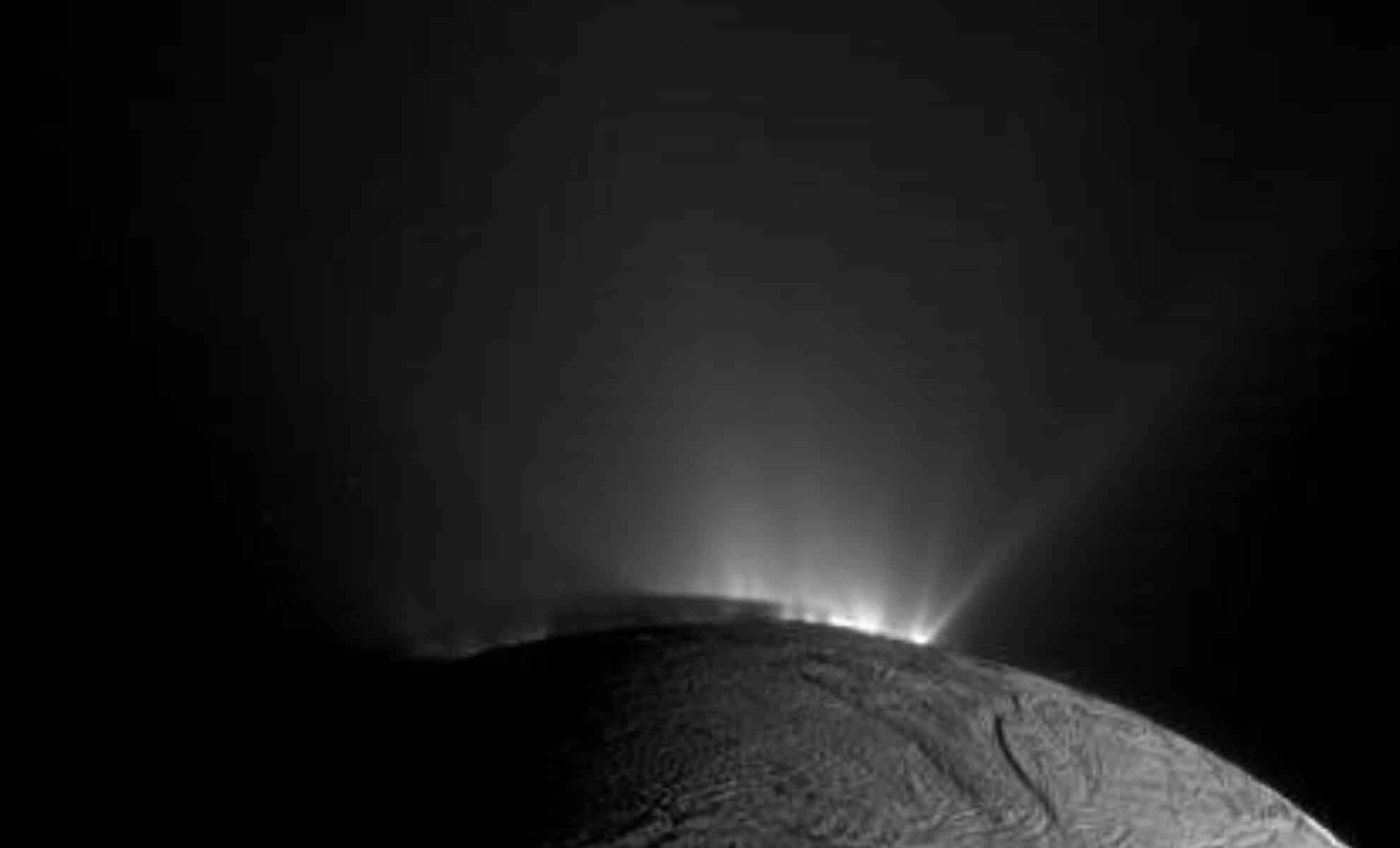
Moreover, the discovery of a hidden ocean beneath Enceladus’ icy shell transformed it into a prime candidate in the quest for extraterrestrial life. The moon’s remarkable plumes eject water and organic compounds into space, allowing in-depth studies of its internal ocean and potential habitability.
The Final Chapter: Cassini’s Daring Closing Orbits
In the mission’s concluding stage, Cassini executed a bold series of trajectories known as the Grand Finale, navigating between Saturn’s inner rings and its upper atmosphere closer than ever before. NASA describes, “At times, the spacecraft skirted the very inner edge of the rings; at other times, it skimmed the outer edges of the atmosphere. While the mission team was confident the risks were well understood, there could still have surprises. It was the kind of bold adventure that could only be undertaken at the end of the mission.”
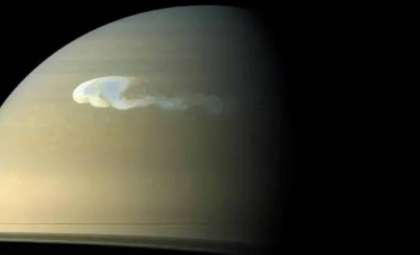
These close passes delivered unparalleled insights into Saturn’s magnetic environment, atmospheric composition, and gravitational field. The Grand Finale also enabled the most precise mapping of Saturn’s rings achieved to date. Data gathered during these dives will support future investigations of the gas giant and its satellites, representing the final remarkable scientific achievements of Cassini’s tenure.
Cassini’s Purposeful End: Safeguarding Saturn’s Enigmatic Moons
To preserve Saturn’s moons from potential contamination, NASA orchestrated Cassini’s intentional descent into the planet at mission end. This strategy ensured that the spacecraft would not risk contaminating moons like Enceladus and Titan, which harbor conditions possibly conducive to life. NASA states, “Having expended almost every bit of the rocket propellant it carried to Saturn, operators deliberately plunged Cassini into the planet to ensure Saturn’s moons remain pristine for future exploration—in particular, the ice-covered, ocean-bearing moon Enceladus, but also Titan, with its intriguing pre-biotic chemistry.”
Since Cassini no longer had fuel for further maneuvers, targeting Saturn’s atmosphere was the safest choice to prevent accidental impact with sensitive moons. Additionally, this final foray captured valuable atmospheric data that scientists continue to examine, extending Cassini’s legacy beyond its mission’s conclusion.
- Categories:
- News





0 comments
Sign in to Comment