
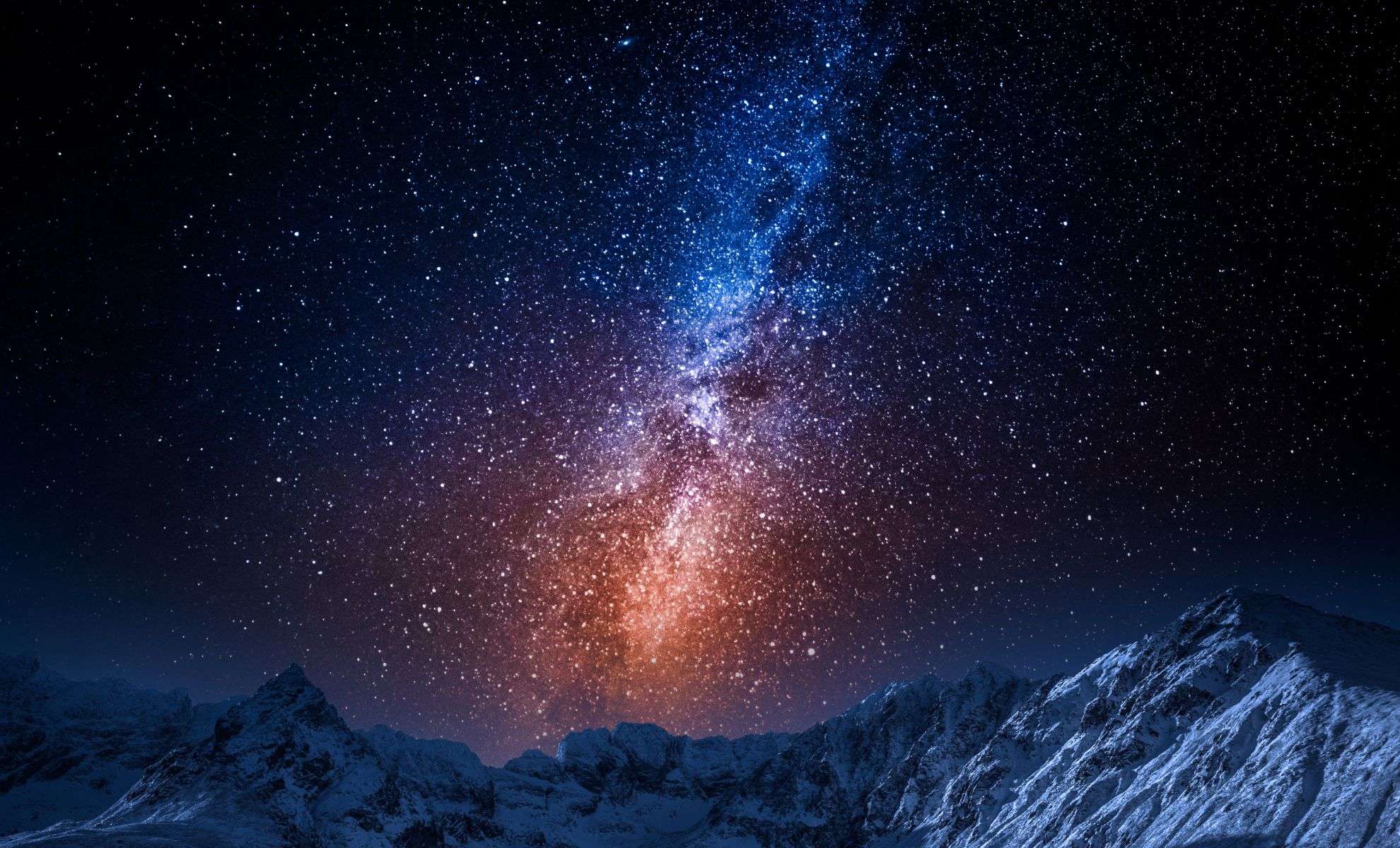
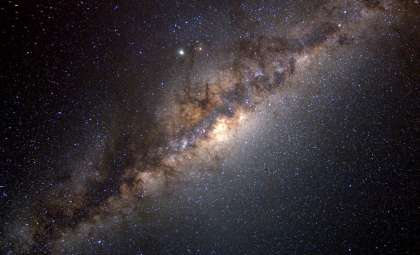
This May, stargazers across the United States have a rare chance to admire the Milky Way as it makes its prominent debut in the Northern Hemisphere’s night sky. Yet, not everyone will enjoy perfect viewing conditions. A 2023 report in Science highlights that escalating light pollution has brightened the night sky by nearly 10% annually between 2011 and 2023, obscuring the Milky Way for approximately one-third of the global population and up to 80% of Americans. If you're fortunate enough to reside in areas with low light interference, this May offers prime conditions to observe our galaxy’s luminous band.
Maximizing your viewing experience means seeking out locations far removed from urban light sources. Areas recognized as Dark Sky Places or regions identified as low light on pollution maps provide excellent vantage points. The window from May 20 to May 30, aligning with the last quarter and new moon phases, promises the darkest skies, perfect for appreciating the Milky Way’s brilliance as it rises higher overhead.
Why May Is Ideal for Milky Way Observation
The Northern Hemisphere experiences some of its best Milky Way visibility in May, when the galaxy’s core ascends earlier and climbs higher in the night sky. Observers situated in mid-latitude zones, encompassing much of the U.S., can anticipate exceptional views. The comprehensive Milky Way resource Capture the Atlas notes that the galaxy’s viewing season runs from February through October, peaking in late spring and early summer. Between midnight and 5 a.m., the bright core region becomes particularly prominent.

Tracking the rise of the Summer Triangle—a pattern formed by stars Deneb, Vega, and Altair—is an effective way to time your observation. This celestial landmark emerges from the eastern horizon, signaling the approaching visibility of the Milky Way. From May 20 to 30, the Summer Triangle appears around midnight and climbs higher by around 3 a.m., followed shortly by the dazzling core of our galaxy, creating an ideal time for stunning astronomical spotting.
Prime Places in the United States to Experience the Milky Way
Choosing the right destination significantly enhances your chances of an unforgettable Milky Way sighting. Light pollution remains the primary challenge, so escaping urban glow is vital. Dark Sky Places, officially designated regions renowned for minimal artificial light, offer some of the best environments for viewing. The United States boasts over 130 such areas, including iconic locations like Grand Canyon National Park, Joshua Tree National Park, and Big Bend National Park. These parks attract photographers and stargazers eager to capture the galaxy’s splendor.
Consulting a light pollution map also helps pinpoint clear, dark locations. Spots like Utah’s Bryce Canyon National Park and Colorado’s Great Sand Dunes National Park are famed for accessibility and dark skies. If you live near a city, consider traveling to the closest dark zone for your best chance to marvel at the Milky Way.
Optimal Viewing Periods: Key Dates and Times in May
Viewing the Milky Way depends on moon phases, atmospheric clarity, and your geographic position. This May, the stretch from May 20 to May 30 stands out due to the new moon’s dark skies, eliminating moonlight that could diminish the galaxy’s glow. According to Capture the Atlas, the Milky Way will surge into view after midnight and climb steadily as the Summer Triangle ascends.
Though the Milky Way is observable much of the year, May offers particularly favorable early-evening views before the increasingly bright summer skies take over. In mid-latitude areas, the early rise of the galaxy’s core in May makes it the perfect month for breathtaking galactic vistas prior to the longer twilight conditions accompanying June and July’s solstice period.
- Categories:
- News







0 comments
Sign in to Comment